

Choosing a surgeon for a tummy tuck is a different exercise from choosing one for a smaller cosmetic procedure, because the operation is a different order of undertaking.
A broad skin flap is lifted, the abdominal muscle layer is repaired, and the patient is under anaesthetic for hours. The questions that matter are correspondingly less about aesthetics and more about surgical judgement and what surrounds the operation.
Start with registration, which is checkable
Everything else is secondary to whether the person operating holds a board qualification in plastic surgery and is registered to practise.
Doctors in Thailand are licensed by the Medical Council of Thailand, and plastic surgery is a recognised specialty with its own certification. Titles such as “cosmetic surgeon” are not protected in the same way, here or elsewhere.
Ask for a licence number and the qualification held, then verify it rather than accepting a website’s word. This practice publishes Dr Witoon’s registrations and licence number for that purpose.
The International Society of Aesthetic Plastic Surgery maintains guidance and a member directory for patients considering surgery abroad, which is a reasonable starting point for checking that a surgeon belongs to the professional community they claim.

The questions specific to this operation
General questions matter for any procedure. These are the ones where a tummy tuck differs, and the answers reveal whether judgement is being applied to your case.
- Will the muscle layer be repaired, and how did you decide that?
- Full or mini, and why that one for my pattern of loose skin?
- Where exactly will the scar sit, and can you show me on me?
- Will drains be used, who removes them, and when?
- What do you do to reduce the risk of blood clots?
- Are you combining anything else, and what does that add?
- How long before you would clear me to fly home?
The fifth question is the one most worth listening to carefully. A surgeon who has a considered answer about clot prevention is thinking about the risk that matters most in this operation.
A broader list is collected in the questions worth asking any plastic surgeon.
The facility matters more than usual
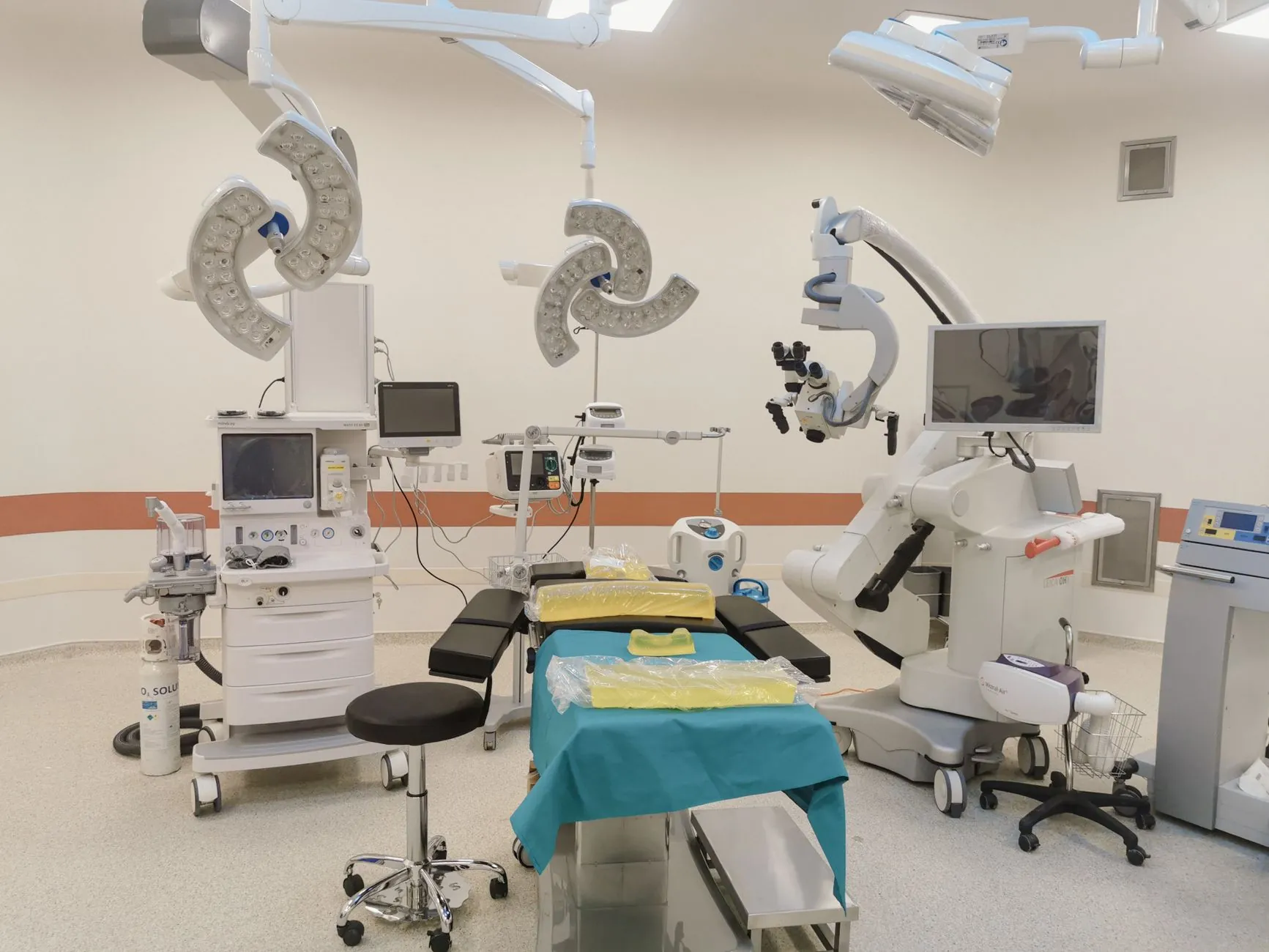
For a short procedure under local anaesthetic, the setting is a secondary consideration. For an abdominoplasty it is not.
| What to ask | Why it matters here specifically |
|---|---|
| Where does the operation take place? | Hours under general anaesthetic need a properly equipped theatre |
| Who administers the anaesthetic? | A qualified anaesthetist monitoring you throughout is the standard to expect |
| How many nights are planned? | The practice publishes one to two days; a same-day discharge would be a departure from that |
| Who is present overnight? | The first night is when bleeding and pain control problems appear |
| What happens if I need admitting? | An arrangement should exist before it is needed, not after |
| Who sees me each day afterwards? | Drains, dressings and early mobilising all need reviewing |
Vagueness on any of these is itself the answer. These are ordinary operational facts that any practice performing the operation regularly can state immediately.

Why galleries cannot be used here
Most guides to choosing a surgeon abroad tell you to study before-and-after photographs. Under the regulations of the Medical Council of Thailand this practice does not publish them, as the explanation of why before and after photographs are not shown sets out.
For abdominoplasty in particular, photographs would tell you less than you think. Posture, lighting, garment lines and how recently the image was taken change an abdomen dramatically, and a picture at three months is not a result.
What replaces them is an examination in which your own skin laxity and midline are assessed and you are told what is achievable and what is not, which is a firmer basis for a decision.

Warning signs
The pattern to watch for is a process organised around securing a booking rather than around deciding whether you should have this operation at all.
- A price quoted before anyone has examined your abdomen.
- No discussion of the scar, or reluctance to show you where it will be.
- Encouragement to combine several procedures in one anaesthetic.
- A package promising a fixed number of nights before you are assessed.
- No clear answer about clot prevention or about flying home.
- A consultation conducted entirely by a coordinator.
The fourth of those deserves particular attention when booking from abroad, because a package sold with a fixed length of stay has decided your discharge date before your surgeon has.
Who continues your care afterwards
This question separates practices more sharply than any question about technique, and it is the one travelling patients ask last when they should ask it first.
An abdominoplasty has a long tail. Drains may need removing, dressings need reviewing, the scar needs watching for months, and the complications most likely to matter tend to appear in the weeks after you have flown home.
So ask who reviews you daily while you are still here, how you reach the practice out of hours, what the arrangement is once you are home, and how quickly you can expect a reply across a time difference.
Then ask what they expect you to arrange at home before you travel. A surgeon who tells you to line up a local doctor in advance is being realistic rather than washing their hands, as tummy tuck aftercare when you live abroad explains.
Reading experience for a tummy tuck
Years in practice is a crude measure. The narrower question is how routinely this surgeon performs abdominoplasty, and on patients whose starting point resembles yours.
Someone whose practice is largely facial surgery is not automatically the right choice for body contouring, and asking is neither rude nor unusual.
Ask what they would decline to do, and what they expect will not improve. A surgeon who names limits before you raise them is describing your anatomy rather than selling a procedure, as who is a candidate for a tummy tuck explains.
Questions people ask
Does a higher price mean a better surgeon?
No, and neither does a lower one. Ask what a quotation includes: surgeon, facility, anaesthetist, hospital nights, garment, drains and follow-up. A figure omitting several of those is incomplete rather than competitive.
Should I choose the surgeon or the hospital?
The surgeon first, then check the facility separately. For an operation of this size the two questions carry more equal weight than they would for a minor procedure.
Is it safe to combine a tummy tuck with other surgery?
It is done, and it is a clinical decision rather than a convenience. Each addition lengthens the anaesthetic and increases the total surgical load, so ask what the combination changes for you specifically.
Can I check all this before travelling?
The verifying and most of the questions, yes, as remote consultations before travelling for surgery explains. The examination cannot happen remotely. The clinic contact details cover both locations.
Medical information notice. This page is general information. It is not medical advice and does not replace consultation with a qualified medical professional. All surgery carries risk; suitability, recovery and results vary from person to person and are determined by individual medical assessment.