Most people considering a facelift know roughly what it is meant to achieve and almost nothing about what happens during it. That gap is worth closing, because the details that sound technical are the ones that determine your recovery.
This page describes the anaesthetic, where the incisions are placed, how long the operation takes and what the stay involves, using what this practice publishes about its own procedure.
The published figures
The facelift procedure page publishes a general guide, which is an average rather than a promise. What applies to you is decided at assessment.
| Item | Practice guide | What determines it |
|---|---|---|
| Surgery time | 3 to 4 hours | How much is being done, and whether anything is combined |
| Hospitalisation | 1 to 2 days | The anaesthetic and the first hours of monitoring |
| Recuperation | 5 to 7 days | Your healing, and what you need to return to |
| Swelling and bruising | Around 1 to 2 weeks | Individual, and rarely symmetrical |
Three to four hours is a real operation rather than a procedure, and the length is the main reason it is done under anaesthetic in a properly equipped facility rather than in a treatment room.
The anaesthetic
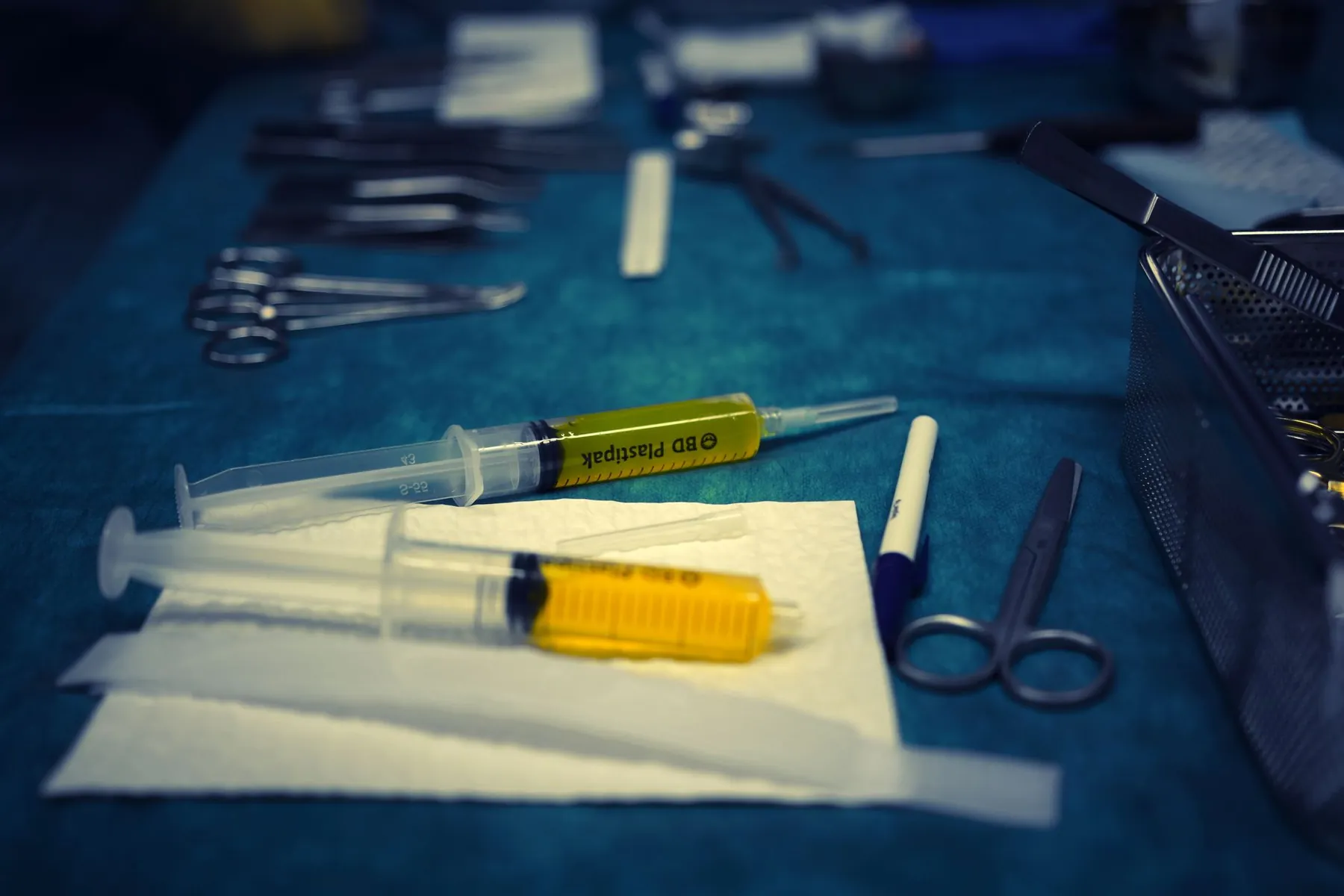
A facelift is normally performed under general anaesthesia, and sometimes under sedation combined with local anaesthetic. Which is appropriate depends on what is being done, how long it will take and your own health, and it is decided by the surgeon with the anaesthetist rather than chosen from a menu.
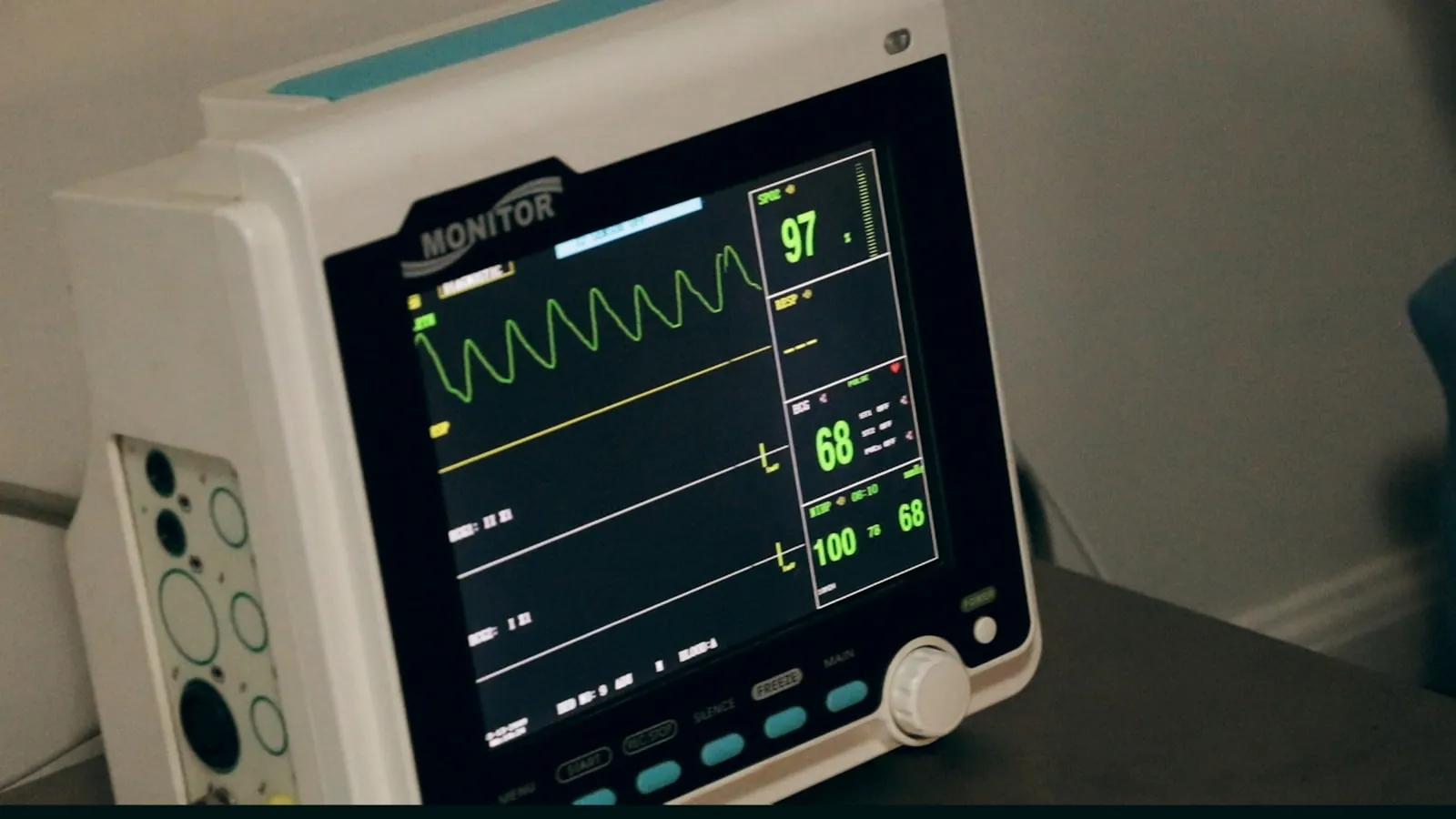
What matters more than the label is who administers it and who watches you while it runs. Ask whether a qualified anaesthetist is involved, and what monitoring is used. The World Federation of Societies of Anaesthesiologists publishes standards on exactly this, and they exist because the answer varies between facilities.
You will be asked to fast beforehand, and those instructions are exact rather than approximate. You will also be asked again about medication, allergies and previous anaesthetics, sometimes more than once. That repetition is deliberate.
Anaesthesia carries its own risks, separate from the surgery, and they should be discussed with you rather than assumed to be understood.
Where the incisions go
This is the question people most want answered and least often ask, usually because it feels indelicate to raise scars with someone offering to improve your appearance.
This practice’s published description is that most facelift incisions are hidden within the hairline and the natural contour of the ears, and that the hair does not need to be shaved. The scars sit in the hairline and behind the ear, where they are difficult to see once healed.
Understand what that means: incisions are placed, not avoided. Every facelift leaves scars, and the skill is in putting them where hair, shadow and the folds of the ear conceal them. Anyone offering a facelift without scars is describing a different operation, or none.
Ask to be shown where yours would be, on your own face, at the consultation. It is a reasonable request and the answer is specific to you.
What is actually done
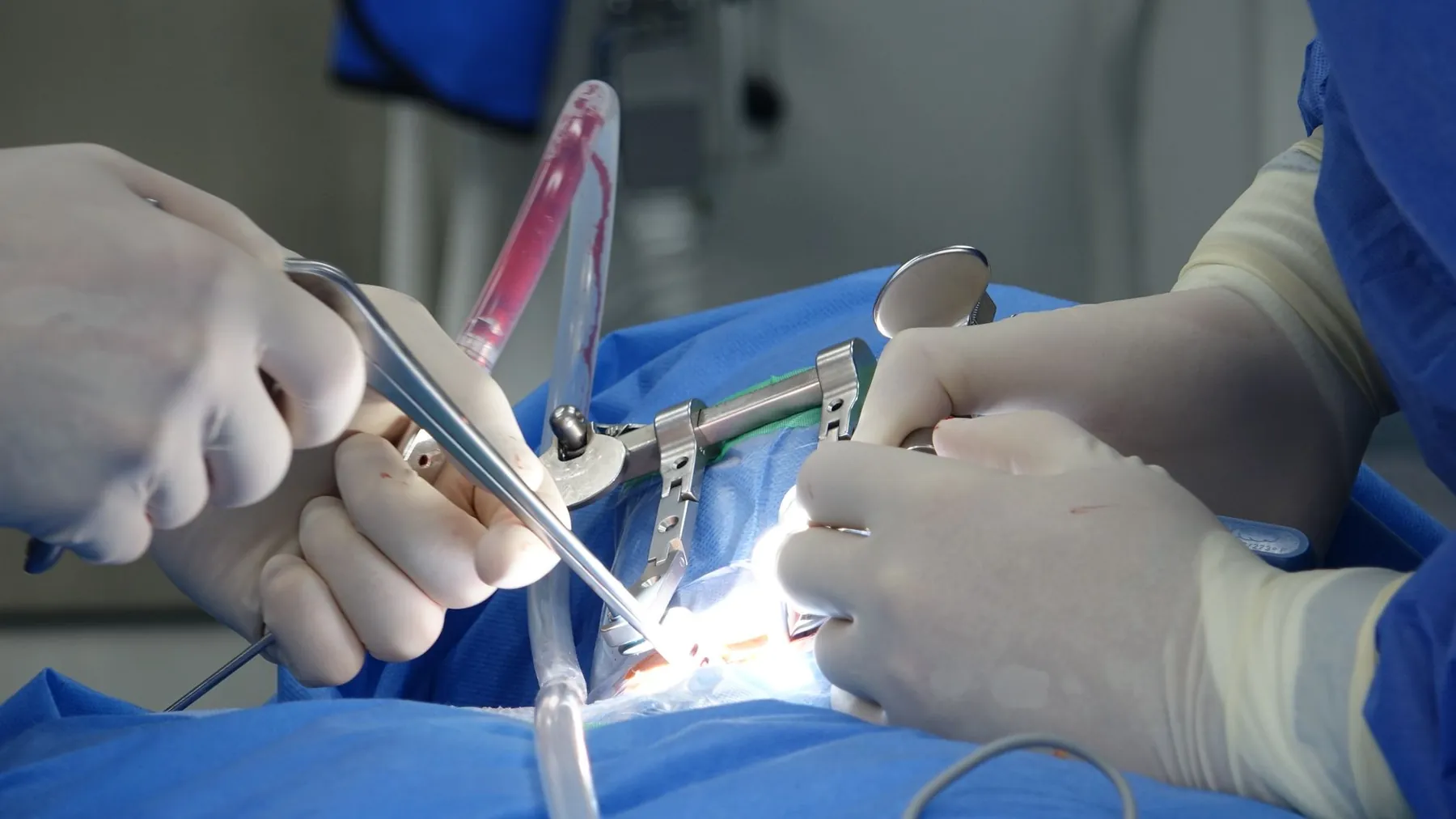
The practice describes the operation as creating a firmer, fresher-looking face by moving the facial skin and the tissues beneath it upwards and slightly backwards through discreet incisions, with excess tissue then removed.
The phrase worth noticing is “and the tissues beneath it”. A facelift that only pulls skin tightens the surface without addressing what has descended underneath, and tends to look tight rather than fresher. Repositioning the deeper layer is what makes the result look like a face rather than a pull.
There are many variations of the procedure, and the version that suits you depends on your anatomy. This is one of the reasons a firm plan cannot honestly be offered before an examination, as who is a candidate for a facelift explains.
The neck is often part of the same conversation, since the two age together and are frequently addressed in one operation.
The day itself, and the day after
You arrive fasted, go over the consent discussion again, and are marked and photographed for the medical record. Expect the whole day to be occupied rather than the operating time alone.
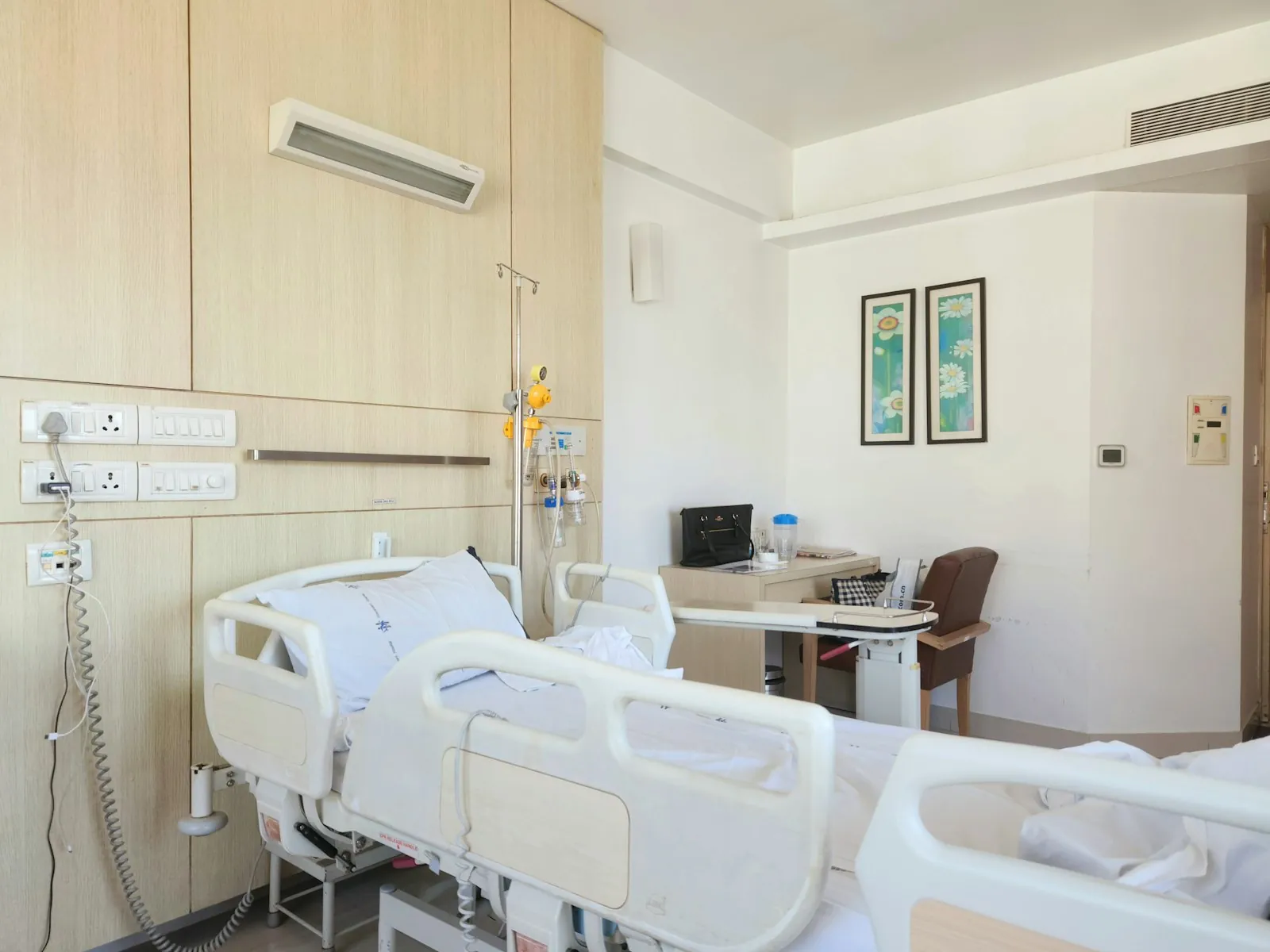
Afterwards there are dressings, a good deal of tightness, and a face that does not resemble the result and is not meant to. You will be told how to sleep, usually propped up, and that instruction does real work in controlling swelling.
The practice’s published guidance is that the incisions have closed within about twenty-four hours, and that washing the face, washing the hair and brushing the teeth are normally possible the following day. That surprises people who expect to be immobilised.
The stay of one to two days exists so that the hours in which problems would appear happen where they can be dealt with. What follows is set out in facelift recovery stage by stage.
What is often combined with it
Facial ageing rarely confines itself to one area, so a consultation frequently turns to whether anything should be done alongside the lift.
Eyelid surgery and work on the brow are the usual companions, because the upper face and the lower face age on different timetables and a lift addresses only part of it. Whether combining is sensible for you is a clinical judgement rather than a discount question.
Combining lengthens the operation, lengthens the anaesthetic and lengthens the recovery. All three are reasons to decide it on medical grounds rather than because you have travelled a long way and would rather not come back.
It is worth asking what would be gained by doing something separately later, and what would be lost. Sometimes staging is the better answer.
Questions worth asking about the operation
- Which variation of the procedure are you proposing for me, and why that one?
- Where exactly will the incisions be on my face?
- Will the deeper tissue be repositioned, or only the skin?
- General anaesthetic or sedation, and who administers it?
- How long do you expect it to take in my case?
- Where will the operation take place, and what happens if I need admitting?
A fuller set is collected in questions worth asking a plastic surgeon, and how to check the answers is covered in choosing a surgeon for a facelift in Thailand.
Questions people ask
Will my hair be shaved?
This practice publishes that shaving is not necessary and that the incisions are concealed within the hairline and behind the ears. Ask your own surgeon to confirm what applies in your case.
Will I have drains?
Sometimes, depending on the technique and on you. If they are used they are usually removed within a day or two, and it is worth asking in advance so it is not a surprise.
Does a longer operation mean a better result?
No. Operating time reflects what is being done and how, not care taken. A longer time under anaesthetic carries more risk, not more benefit.
Can I meet the anaesthetist beforehand?
Ask. Many patients do, particularly those with a history of difficult anaesthetics. The clinic contact details cover both locations if you want to raise it before travelling.
Medical information notice. This page is general information. It is not medical advice and does not replace consultation with a qualified medical professional. All surgery carries risk; suitability, recovery and results vary from person to person and are determined by individual medical assessment.