
Liposuction is often described as though it were a single operation. It is closer to a family of techniques that share a principle: fluid goes in, a narrow tube breaks up and removes fat, and the skin settles onto what is left.
The decisions that shape your result and your recovery are made around that principle — which technique, how many areas, what anaesthetic, and where the tiny incisions go.
What the practice publishes
The liposuction procedure page describes the operation in concrete terms rather than in marketing language, and it is worth reading before a consultation.
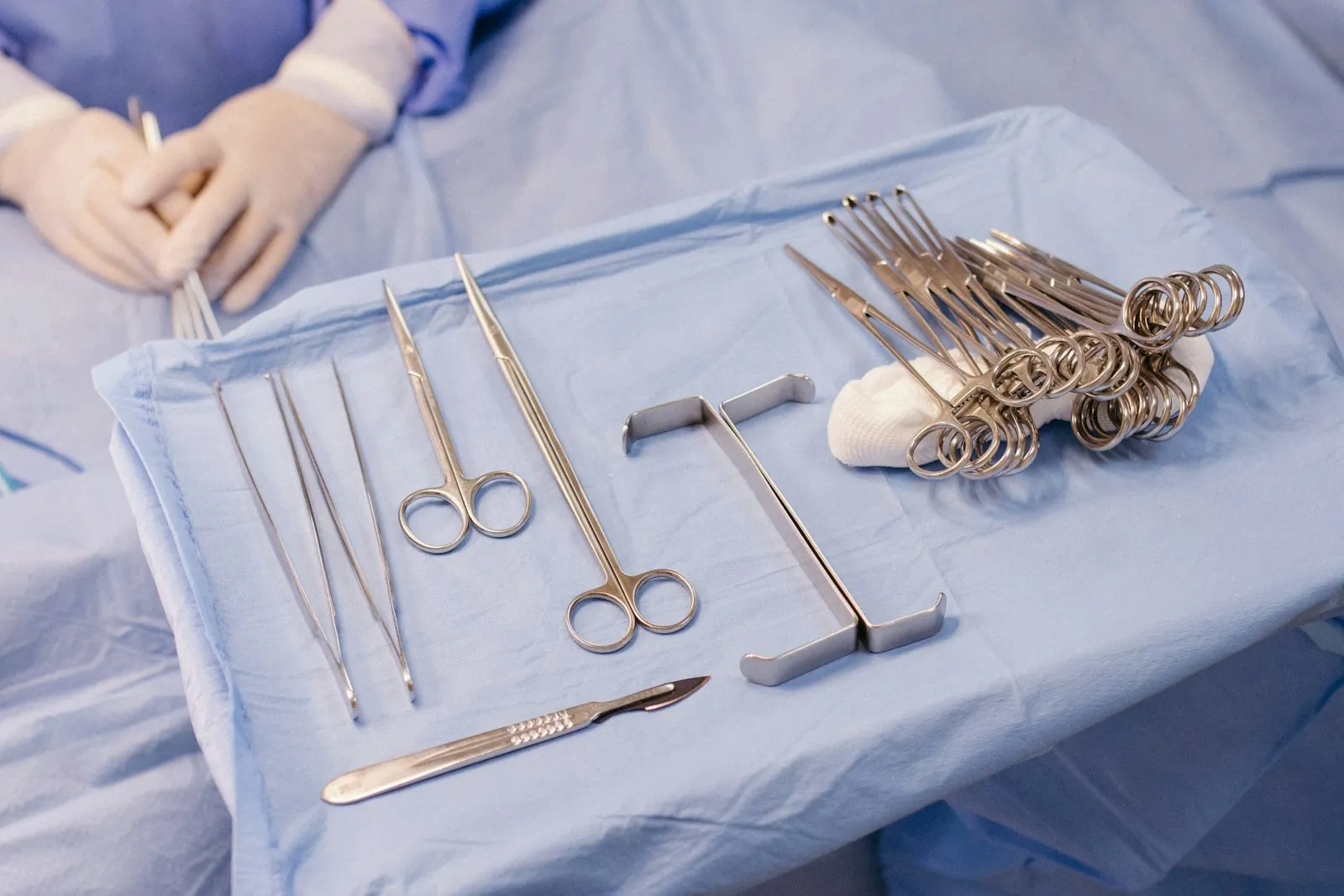
A tube of roughly three to four millimetres is passed through one or more small incisions and guided by the surgeon to remove fat from the intended area. The incisions are normally under a centimetre and placed as discreetly as possible.
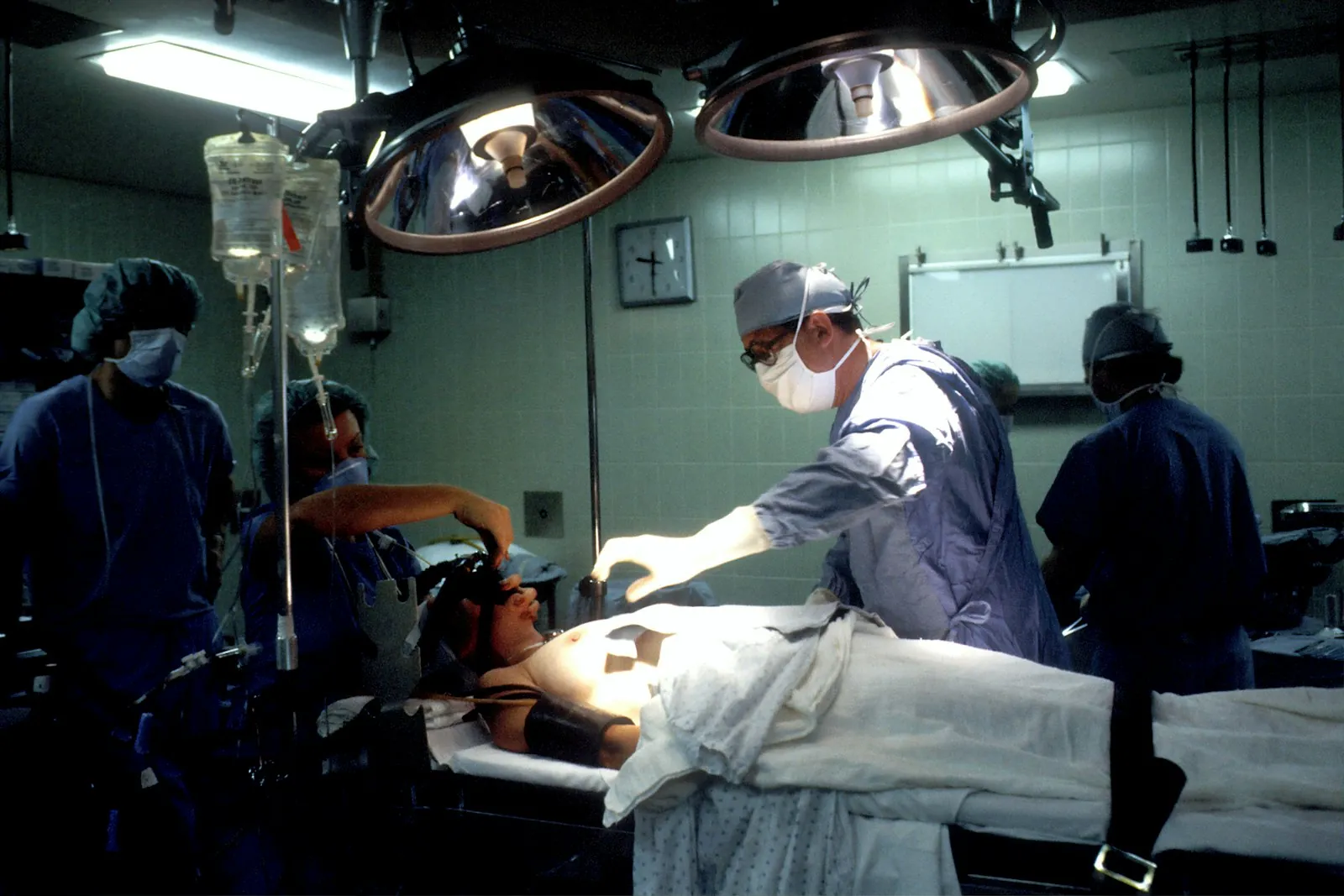
Surgery takes one to four hours depending on how much is being removed, with a day in hospital. A pressure garment follows for a few weeks, to limit bleeding after the operation and to contain swelling.
Those figures are a published general guide. What applies to you is settled by assessment, not by a website.
Tumescent and VASER, and which is offered where
This practice offers two techniques, and it publishes something most clinics do not: which is available in which city. Tumescent and VASER liposuction are both offered in Bangkok and Phuket, while Chiang Mai offers tumescent only.
That is a practical fact worth knowing before you book flights, and it is the sort of specific answer worth asking any clinic for.
| Technique | How it works | Offered at |
|---|---|---|
| Tumescent liposuction | The area is infiltrated with a large volume of dilute fluid, which swells the tissue, limits bleeding and numbs the area before fat is suctioned | Bangkok, Phuket and Chiang Mai |
| VASER liposuction | Ultrasound energy is applied to loosen fat before it is removed | Bangkok and Phuket |
Be sceptical of claims that any one technology guarantees a better outcome. Device names are heavily marketed, and the evidence that one reliably outperforms another is far weaker than the advertising suggests.
The more useful question is why your surgeon proposes a particular technique for your tissue, in your area, at the volume being discussed.

The anaesthetic
Liposuction may be performed under general anaesthesia, under sedation, or in smaller cases with local anaesthesia provided by the tumescent fluid itself. Which is appropriate depends on the areas treated, the expected duration and your own health.
That decision belongs to the surgeon together with the anaesthetist. It is not an item to be chosen from a menu, and a clinic that offers it as a preference is worth questioning.
Ask who administers it, what monitoring is used, and what happens if you needed to be admitted unexpectedly. The American Society of Anesthesiologists’ patient guidance on anaesthesia and surgery explains what proper anaesthetic care involves.
You will be asked to fast beforehand, and those instructions are exact rather than approximate. You will also be asked repeatedly about medication, allergies and previous anaesthetics, which is deliberate.
The fluid, and why it matters
The tumescent step is easy to overlook and is central to how the operation behaves.
A large volume of dilute fluid is infiltrated into the fat before suction begins. It firms the tissue so the cannula passes evenly, constricts small blood vessels to limit bleeding, and provides local anaesthesia to the area.
It also explains several things that puzzle patients afterwards: why fluid leaks from the incisions for a day or two, why you may weigh more immediately after surgery, and why the treated area looks larger before it looks smaller.
Because fluid is going in as well as fat coming out, the balance is monitored during the operation. This is one reason the total volume treated in a single session is limited rather than open-ended, and it is covered further in liposuction recovery stage by stage.

The day itself
You arrive fasted and the consent discussion is gone over again. Then you are marked while standing, because the deposits being targeted only sit in their true position under gravity.
Those markings are worth watching. They are the plan being drawn on you, and it is entirely reasonable to look in a mirror and confirm that what has been outlined matches what you asked for.
Afterwards there are dressings, absorbent padding for the fluid that drains, and the pressure garment. The treated area will feel tight, tender and swollen rather than smaller.
The day in hospital exists so that the hours in which problems would show up happen somewhere they can be dealt with.
Why the number of areas is the real variable
Patients tend to think of liposuction as one procedure with a length. Surgeons think in areas, and the count changes almost everything.
Each additional area adds operating time, adds infiltrated fluid, adds to the total volume removed, and lengthens the period before you are cleared to travel. Four areas is not four times one area in difficulty, but it is emphatically not the same operation.
This is why an experienced surgeon may propose staging the work across two occasions rather than doing everything at once, and why that suggestion is a sign of caution rather than of upselling.
For anyone travelling, the count also decides the trip. Agreeing to add an area on the day, because you are already here, quietly changes the length of stay you needed to book.
Questions worth asking about the operation
- Which technique are you proposing for me, and why that one?
- How many areas, and would you advise treating them in one session or two?
- Roughly what volume do you expect to remove, and what limit do you work to?
- Where exactly will the incisions be, and what scars will they leave?
- Who administers the anaesthetic, and what monitoring is used?
- Where does the operation take place, and what if I need admitting?
A broader set is collected in the questions worth asking any plastic surgeon, and whether the operation suits you at all is covered in who is a candidate for liposuction.
Questions people ask
Does a longer operation mean a better result?
No. The one-to-four-hour range reflects how many areas are being treated rather than how carefully. Longer under anaesthetic means more risk, not more benefit.
Is VASER better than tumescent liposuction?
Neither is universally better. They suit different tissue and different aims, and the surgeon’s judgement matters far more than the device. Ask why one is being proposed for you specifically.
How big are the scars?
The practice publishes that incisions are normally less than a centimetre and placed discreetly. They are small, but every incision leaves a mark, and you should be told where yours will be before the day.
Can I discuss this before travelling?
Most of it, as remote consultations before travelling for surgery explains. The examination cannot happen remotely. The clinic contact details cover both locations.
Medical information notice. This page is general information. It is not medical advice and does not replace consultation with a qualified medical professional. All surgery carries risk; suitability, recovery and results vary from person to person and are determined by individual medical assessment.