
Three separate clocks start running the day you have lower eyelid surgery, and travelling patients almost always plan against the wrong one.
The clinic releases you on the first. Your colleagues see you on the second. The result arrives on the third. Booking a trip around the first is how people end up flying home unhappy.
The three clocks
| Clock | What it governs | Roughly how long | What it decides |
|---|---|---|---|
| Clinical | Wound healing, sutures if any, clearance to fly | Days to about a week | The earliest you may travel |
| Social | Visible bruising on very thin skin | One to two weeks, sometimes longer | When you are willing to be seen |
| Settling | Swelling resolving, contour finalising | Weeks to months | When the result can be judged |
The trip is built on the first clock and the leave is booked on the second. The third one is why photographs taken at the airport are not worth taking.
Whether you have sutures decides the shape of the trip
This is the first question to settle, and it comes before flights rather than after.
The approach through the inside of the lid often leaves no skin sutures, so there may be no removal appointment tying you to a date here.
The approach below the lash line uses fine sutures removed at a review, usually within the first week, and that appointment sets your earliest sensible departure.
Which one applies to you follows your anatomy rather than your preference, as who is a candidate for lower eyelid surgery explains.

Settle these before booking anything
- Which approach is planned, and will there be sutures to remove?
- How long should I stay, for the plan you are proposing?
- Where does the procedure take place, and who do I contact that night?
- What anaesthetic is planned, and will I need someone to take me back?
- Who reviews me at around three weeks, and how?
- Can my return flight be changed, and at what cost?
The fifth is specific to this operation and rarely asked. Lid position declares itself over weeks rather than hours, so somebody needs to look at it after you have gone home.

Apply your own country’s standards here
Consumer protection does not travel with you, but the standard you would apply at home does, and carrying it is free.
Singapore’s Health Sciences Authority publishes guidance on the regulation of health products and medical devices, which is a reasonable reference point for the kind of oversight a regulated market applies.
Judged by that standard, a practice that publishes verifiable registration, insists you meet the operating surgeon, describes limits as readily as benefits and declines to advertise results is behaving as you would expect at home.
How to weigh those signals is set out in choosing a surgeon for lower eyelid surgery in Thailand.

You will fly home looking like this
Worth saying plainly, because the operation itself is so small that people assume the aftermath is too.
Bruising is at its most colourful around days three to five and tends to travel downwards onto the cheek, where sunglasses hide it less well than they hide upper lid bruising.
Most people are concealable within one to two weeks, and occasionally it takes longer. Swelling continues to settle for weeks after that.
So count backwards generously from anything you must attend looking ordinary, rather than forwards from the surgery date.
What to pack that you would not otherwise
None of this is available at the moment you want it, and all of it fits in hand luggage.
- Large sunglasses, worn from the day of surgery onwards.
- Your glasses, since contact lenses stay out for a while.
- A concealer you already know suits you, for when make-up is permitted.
- Whatever lubrication you are prescribed, carried on the plane rather than checked.
- A written medication list, including drops used for years.
- A photograph of yourself before surgery, in daylight, looking straight ahead.
The last one costs nothing and settles more later questions than anything else on the list, particularly about symmetry.
Insurance, and what it usually excludes
Many travel and health policies exclude anything arising from elective treatment overseas, which puts a complication or a medically advised delay on your account rather than the insurer’s.
Read the wording before you travel, and ask specifically about cover for a delayed return.
Ask your own doctor at home, before leaving, whether they would remove sutures or look at a lid that was not settling. That conversation is much easier in advance.
Take your operation details home in writing, as lower eyelid surgery aftercare when you live abroad sets out.
The practicalities of a short trip
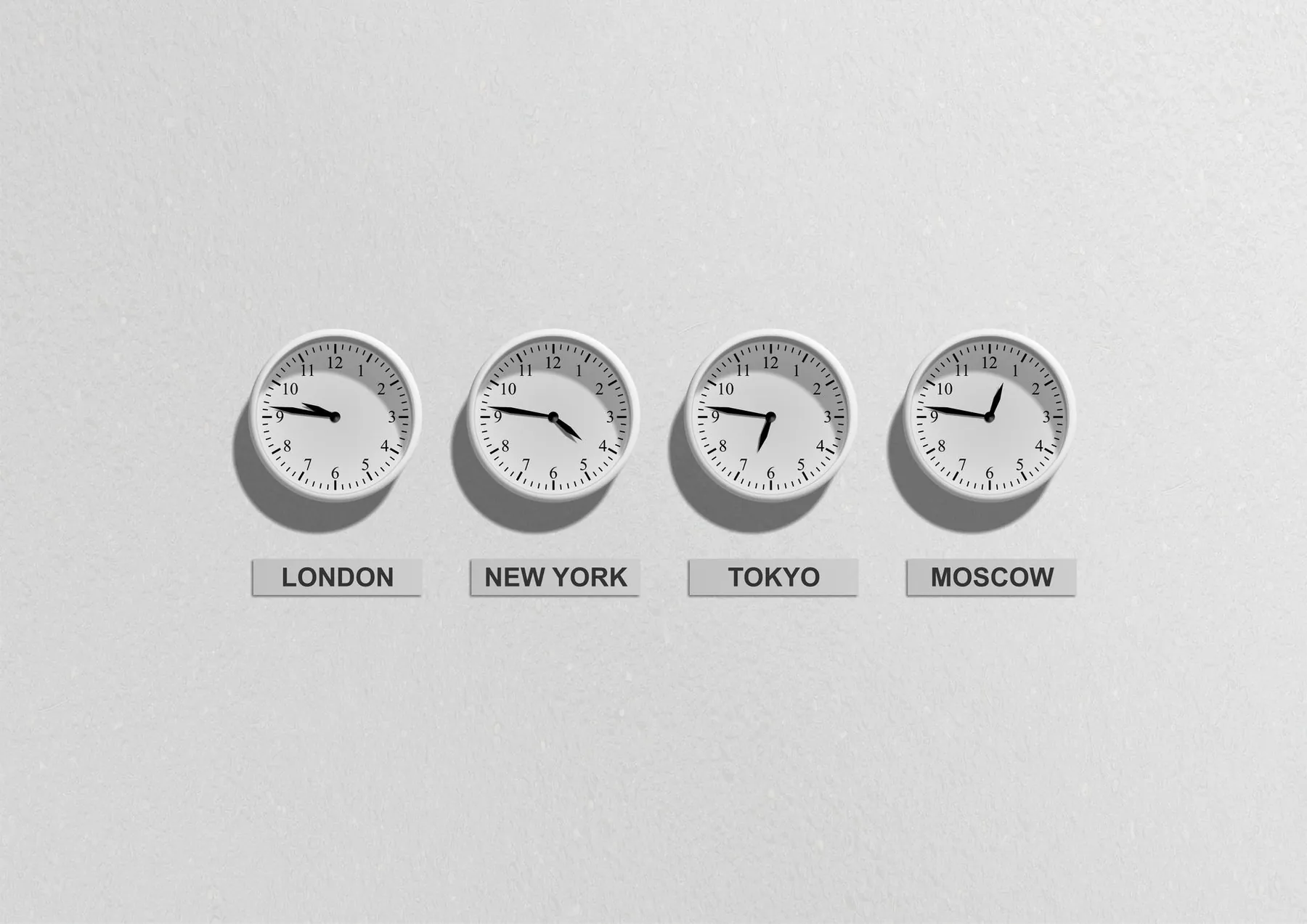
Thailand is three hours behind eastern Australia for much of the year, seven ahead of London and twelve ahead of New York, which matters for arranging calls beforehand and for reply times once you are home.
Consultations are by appointment in Bangkok and Chiang Mai, and which suits your dates is confirmed through the clinic contact details.
Much of the history can be settled before you travel, as remote consultations before travelling for surgery explains, though the lid-tone examination cannot happen remotely.
Arrive a day early if you can. Being assessed and marked while tired and puffy from an overnight flight helps nobody, least of all on an operation judged in millimetres.
Do not attach a holiday to it
The temptation is obvious: the operation is short, you are already here, and the beaches are a flight away.
Sun is the specific problem. Ultraviolet light on bruised, healing skin around the eye can leave lasting darkening, which is the opposite of what most people came for.
Add salt water, pools, dust and long days outdoors, and the holiday works against the operation at every point.
Plan the trip around the clinic, and treat a second trip later as the better holiday. Where to base yourself is covered in lower eyelid surgery in Bangkok or Chiang Mai.
Questions people ask
Can the consultation and surgery be in the same week?
Often, depending on the assessment and your health. Build the trip so a recommendation to wait, or to treat something first, can be accepted rather than resisted.
Do I need someone to travel with me?
Not necessarily, but you will need someone to take you back on the day, and a person nearby for the first day makes blurred vision much less unsettling.
What if I am told to stay longer?
Plan for it rather than hope against it. A changeable fare and two spare days turn that instruction into an inconvenience instead of a financial decision.
Where is the whole sequence written down?
How travelling to Thailand for surgery works sets out the order for any procedure, and the practice’s information for international patients covers the same ground.
Medical information notice. This page is general information. It is not medical advice and does not replace consultation with a qualified medical professional. All surgery carries risk; suitability, recovery and results vary from person to person and are determined by individual medical assessment.