Preparing for rhinoplasty involves two arrangements almost nobody makes in advance, and both are obvious in hindsight.
You will not be able to rest glasses on your nose, and you will not be able to blow it. If either of those is part of your daily life, sort it out now rather than on the way home from surgery.
A countdown that works
Timings are indicative, and anything medical here is confirmed by your surgeon rather than taken from a web page.
| When | What to do | Why it matters |
|---|---|---|
| 3 months before | Do not book surgery close to a wedding or major event | The tip is still settling a year later |
| 6 weeks before | Get allergies and chronic congestion properly treated | You will be blocked anyway; do not start from worse |
| 4 weeks before | Stop smoking if advised; disclose all medication and supplements | Healing in a structure rebuilt from cartilage and skin |
| 4 weeks before | Solve the glasses problem | Nothing may rest on the bridge for weeks |
| 2 weeks before | Ask what to stop and when, in writing | Several common medicines increase bruising |
| 1 week before | Buy pillows, saline, lip balm and soft food | You will be mouth-breathing and propped upright |
| On the day | Arrive with a clean face and no make-up | The nose is marked and photographed before you go in |
The first row is the one people ignore and later regret. This is the facial operation with the longest gap between surgery and settled result.

Treat the allergy before, not after
This is the preparation step specific to nasal surgery, and patients rarely connect the two.
Your nose will be swollen and congested for weeks after the operation regardless. Starting from a nose that is already inflamed and running makes those weeks considerably worse.
There is a mechanical reason too. Sneezing and nose-blowing are exactly what you are told to avoid afterwards, and untreated allergy guarantees both.
The American Academy of Allergy, Asthma and Immunology publishes patient information on allergic rhinitis and nasal symptoms, which is a reasonable starting point for a conversation with whoever manages yours.

Solve the glasses problem in advance
If you wear glasses every waking hour, this is a genuine logistical problem and not a footnote.
Weight resting on a healing bridge can affect the result, so frames are kept off the nose for a period your surgeon will specify, and it is usually longer than people expect.
The options are worth arranging before you travel: contact lenses if you can wear them, a spare pair of daily lenses, or asking the practice what they advise for supporting frames off the bridge.
Whatever you choose, have it working before surgery rather than improvising while your nose is splinted.
What to have ready at home
Everything here is easier to obtain before surgery than during the first week, when you will be congested, propped up and disinclined to go out.
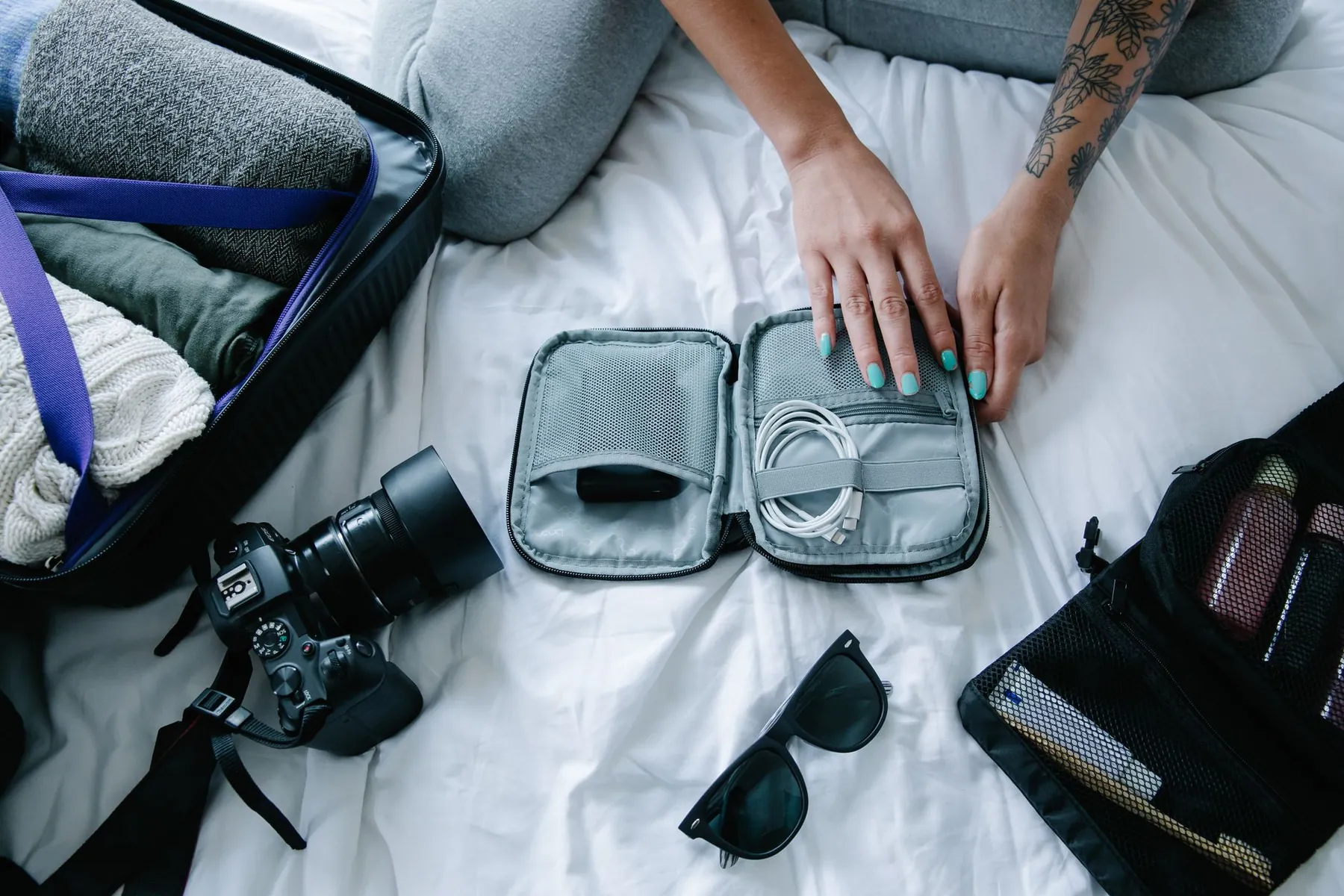
- Extra pillows or a wedge, since you will sleep with your head raised for weeks.
- Lip balm, because you will be breathing through your mouth.
- Whatever saline or ointment you are prescribed, collected in advance.
- Soft food and plenty of drinks, for the first days.
- Button-front tops, so nothing is pulled over your face.
- A hat and sunglasses, for going outside without sun on the nose.
Arrange the practical help too. Someone to take you home is usually required rather than optional, particularly if sedation or a general anaesthetic is planned.
Prepare your expectations too
The preparation nobody sells you anything for is knowing what the first weeks look like, and what they do not tell you.
Bruising around the eyes peaks around days three to five. The splint comes off at about a week, and the nose underneath will be swollen, wide and not yet the shape that was planned.
Most swelling resolves over about three months, and the tip carries on refining for a year or more, longer with thicker skin.
Take photographs before you travel, in daylight, straight on and in profile. They are the only honest comparison you will have later, as rhinoplasty recovery stage by stage explains.
Plan the diary around the long tail
Most operations are planned around the recovery. This one should be planned around the result, which arrives much later.
Count backwards from anything you must attend looking your best, and allow far more margin than for other facial procedures. Six weeks is not enough for photographs you will keep.
If you are travelling, plan the stay around the splint coming off and the review that follows rather than around the surgery date.
And book a changeable return fare, since clearance to fly follows a review rather than a booking.
The week before, practically
A few small arrangements make the first days considerably easier, and none of them costs anything.
Practise sleeping propped up if you normally lie flat, so the position is familiar rather than something new to learn while congested and splinted.
Move what you will need to waist height or above. Bending down raises pressure in the head, and it is the instruction people break first.
Warn the people around you that you will look worse before better, and that you will be difficult to understand for a few days while breathing through your mouth. It saves explaining it later.
Three conversations to have before the day
These are better settled in advance than in a gown on the morning.
Where the operation happens. The version using rib cartilage is described as taking place in hospital rather than at the clinic, so confirm which applies to you and what that changes.
What is going into your nose. Implant, your own cartilage, or both, and from where it would be taken, as what happens during rhinoplasty sets out.
What happens if you are unhappy. Ask the revision policy, who bears the cost, how long you would be asked to wait, and get the answer in writing.
Questions people ask
Should I stop my supplements?
Disclose all of them and be guided. Several common supplements affect bleeding, which matters in an operation involving bone and cartilage, but stopping prescribed medication without advice creates a different risk.
Can I fly in the day before surgery?
Better to arrive at least a day earlier. Being assessed and marked while tired and puffy from an overnight flight helps nobody, and a nose is judged in millimetres.
What if I get a cold before surgery?
Tell the practice rather than pressing on quietly. An infected or inflamed nose is not a good starting point, and this is a common reason for rescheduling.
How much can be settled before travelling?
Most of the history and the questions, as remote consultations before travelling for surgery explains. The examination cannot. The clinic contact details cover both locations.
Medical information notice. This page is general information. It is not medical advice and does not replace consultation with a qualified medical professional. All surgery carries risk; suitability, recovery and results vary from person to person and are determined by individual medical assessment.