The nose is the only feature people have operated on for appearance that is also doing a job every minute of the day.
Almost every page about who suits rhinoplasty discusses the first of those and ignores the second. That is the wrong way round, because breathing is what turns a cosmetic decision into a medical one.

Start with what you want changed
Rhinoplasty is a family of operations rather than one, and the version that suits you follows from the complaint.
| What people describe | What it usually means | What it tends to involve |
|---|---|---|
| “My nose looks flat from the side” | A low bridge wanting height | Augmentation: adding structure |
| “There is a bump on my profile” | A prominent dorsum | Reduction: taking structure down |
| “The tip is round or droops” | Tip cartilage shape and support | Tip work, usually with cartilage |
| “It looks crooked” | Deviation, often with the septum | Straightening, frequently functional too |
| “I cannot breathe through one side” | Septum or nasal valve | A functional operation, with or without cosmetic change |
| “It is too wide at the base” | Nostril width | A separate, smaller adjustment |
Many people arrive with two or three of these at once. Naming them separately is more useful than naming the operation, because they are addressed by different steps.
Breathing belongs in the conversation
This is the part patients most often leave out, usually because they assume a cosmetic consultation is not interested.
Say it if one side is persistently blocked, if you breathe through your mouth at night, if congestion has never responded to sprays, or if you have had a broken nose at any point.
It matters twice over. A deviated septum can be the cause of the obstruction, and the septum is also one of the places a surgeon takes cartilage from when the nose needs support built into it.
The American Academy of Otolaryngology–Head and Neck Surgery publishes patient information on nasal and sinus conditions including obstructed breathing, which is a reasonable place to read about the functional side.

Your skin decides how much is visible
This is the single most under-discussed factor in whether someone is pleased with a nose, and it is not something you can change.
Thicker skin drapes over fine work and softens it, so delicate definition of the tip shows less and swelling takes longer to reveal the result.
Thinner skin shows detail readily, which cuts both ways: refinement is visible, and so is every small irregularity underneath it.
Ask which you have and what it means for the result you are hoping for. A surgeon who raises it before you do is telling you something useful.

What the practice publishes
Two different operations sit behind the word rhinoplasty here, and the published figures reflect that.
Nose augmentation is published with a surgery time of about one hour. Nose reduction is published with a surgery time of one to two hours and one day of hospitalisation.
That difference is a clue rather than a detail. Building a nose up and taking one down are not the same undertaking, as nose augmentation or nose reduction sets out.
The practice’s Thai-language page also describes augmentation in several forms, chosen according to the structure of each person’s nose. Which applies to you is an assessment finding.

General suitability, and the honest caveats
Beyond the nose itself, a few things decide whether this is the right operation at the right time.
- Facial growth should be complete, which is why this operation is not offered to the very young.
- General health matters, including anything affecting healing or bleeding.
- Smoking affects healing in a structure rebuilt from cartilage and skin.
- Previous nasal surgery or injury changes what is available to work with.
- Expectations have to be about your face, not somebody else’s photograph.
- Timing should suit you, since the result takes months to a year to arrive.
The last is worth dwelling on. This is the facial operation with the longest gap between surgery and settled result, and someone who needs to look their best in six weeks is choosing the wrong month.
What rhinoplasty will not change
Hearing the limits before surgery is what separates a good result from a disappointing one, because both can be the same operation.
It will not give you a nose from a photograph, because the result depends on your bone, your cartilage and your skin thickness rather than on the picture.
It will not necessarily fix breathing unless the functional problem is specifically addressed, and it will not make two naturally different halves of a face symmetrical.
What it does do is change proportion, and a nose that suits the rest of your face changes how the whole face reads. That is a narrower promise than the marketing, and it is the one worth having.
Being clear about why you want it
This sounds like a soft question and it is the one most likely to predict whether you are pleased afterwards.
A specific complaint you have held for years — a bump you dislike in photographs, a bridge you have always found flat — tends to be met well by a specific operation.
A general hope that changing your nose will change how you feel about your face, or about something else entirely, is a heavier load for one operation to carry.
Nobody is asking you to justify wanting it. The point is that the clearer the complaint, the easier it is to say honestly whether surgery can answer it.
A useful thing to bring
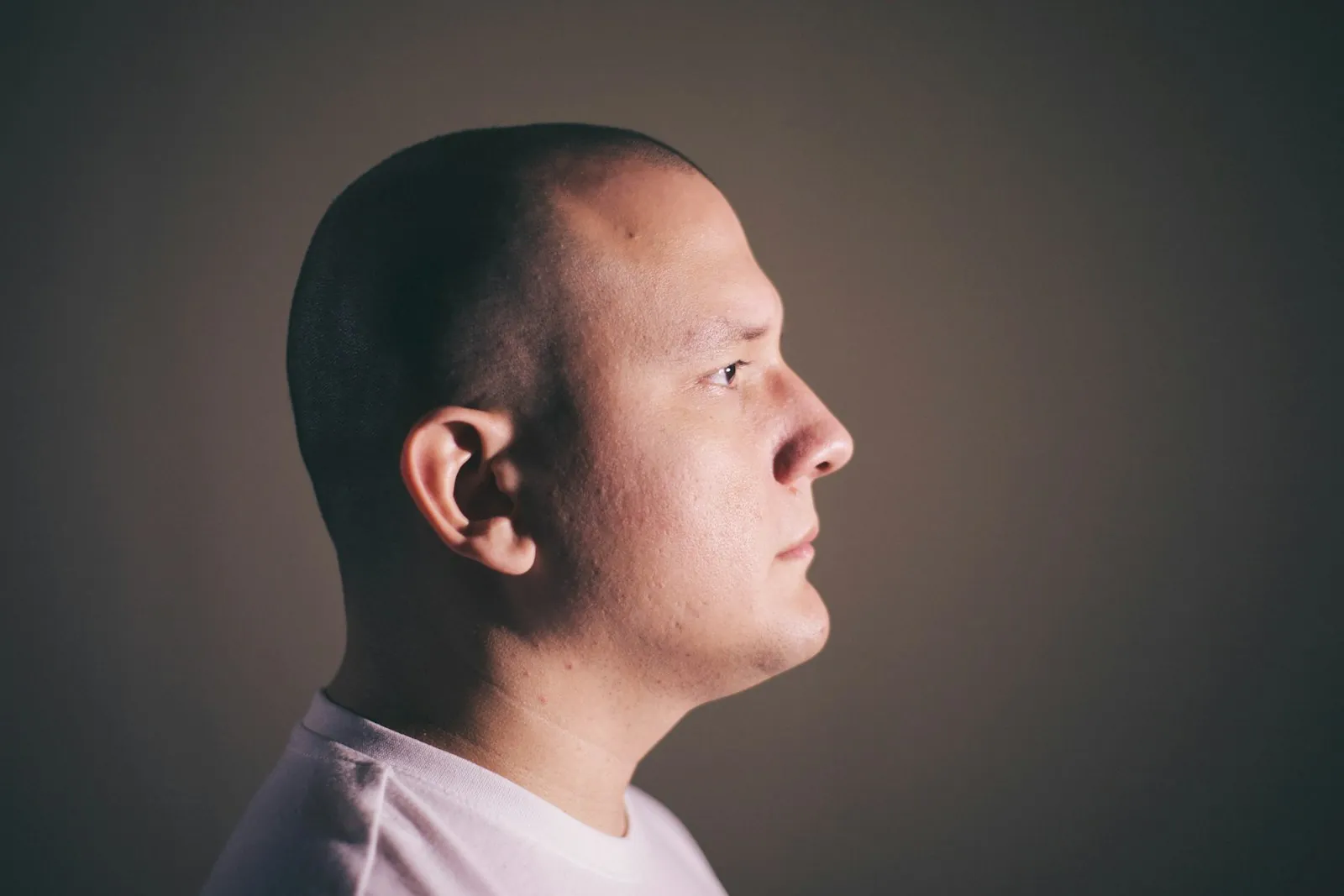
Two photographs of yourself, taken in daylight against a plain wall: one straight on, one in profile, with a neutral expression and your hair back.
Most people have never looked properly at their own profile, and the conversation is much more productive once you both have.
Bring photographs of noses you like as well, but be ready to say what you are responding to, since the answer is often the eyes or the jaw rather than the nose.
What happens next at the appointment is set out in what happens at a rhinoplasty consultation.
Questions people ask
Is there an ideal age?
Facial growth needs to be finished, which rules out the very young. Beyond that there is no upper limit that matters more than general health, and people have this operation across a wide age range.
Can breathing and appearance be treated together?
Frequently, and it is a reasonable question to ask directly. Say what your breathing is like before anyone starts discussing shape, because it can change the plan.
Will my nose look obviously done?
That depends on how much is changed and on the plan agreed. Ask directly for a result that suits your face rather than one that looks operated on, and ask what that means in your case.
How do I find out where I stand?
Be examined, since skin, cartilage and airway all have to be assessed together. Much of the history can be settled first, as remote consultations before travelling for surgery explains, and the clinic contact details cover both locations.
Medical information notice. This page is general information. It is not medical advice and does not replace consultation with a qualified medical professional. All surgery carries risk; suitability, recovery and results vary from person to person and are determined by individual medical assessment.