

Most people considering a tummy tuck know what they want the result to be and very little about the operation that produces it.
That gap matters here more than for most cosmetic surgery, because the technical decisions — how much skin comes out, whether the muscle layer is repaired, where the scar is placed — are the ones you live with permanently.
What the practice publishes
The abdominoplasty procedure page describes the operation in unusually concrete terms, and it is worth reading before a consultation rather than after.
An incision is made from hipbone to hipbone, just above the pubic area. A second incision frees the navel from the tissue around it.
The skin is then separated from the abdominal wall all the way up to the ribs, lifting a large flap and revealing the vertical muscles beneath. Those muscles are pulled together and stitched into a new position.
The skin flap is drawn back down, the excess is removed, the incisions are closed, and a temporary tube may be inserted to drain fluid. Surgery takes two to three hours, with one to two days in hospital and five to seven days of recuperation.
The three decisions that shape your result
Reading that description again, three separate choices are embedded in it. Each is made for you at assessment, and each is worth asking about by name.
| Decision | What it changes | What to ask |
|---|---|---|
| How much skin is removed | How tight the result is, and how much tension the closure carries | What is realistic for my laxity, and what will not be removed? |
| Whether the muscle layer is repaired | Whether a protruding abdomen actually flattens | Do I have separation, and are you repairing it? |
| Where the incision sits | A permanent scar you will see for life | Can you mark the line on me, against my own underwear? |
| Whether the navel is repositioned | Whether a full or mini operation is being done | Full or mini, and why that one for me? |
| Whether drains are used | What the first week involves, and who removes them | Are drains expected, and when would they come out? |
The second row is the one that separates this operation from every non-surgical alternative, and the third is the one people most regret not discussing.

Full or mini, and why the navel decides it
The distinction between a full and a mini abdominoplasty is not really about size. It is about whether skin above the navel is being moved.
In a full tummy tuck, skin is lifted to the ribs and drawn down, so the navel must be freed and brought out through a new opening. That is why the practice describes a second incision around it.
In a mini, only skin below the navel is addressed. The scar is shorter, the navel usually stays where it is, and the operation is smaller — but it does nothing for laxity above the navel.
So the choice follows your anatomy rather than your preference. Asking for a mini because it sounds easier is asking for a different operation from the one your abdomen may need, as who is a candidate for a tummy tuck explains.
The anaesthetic
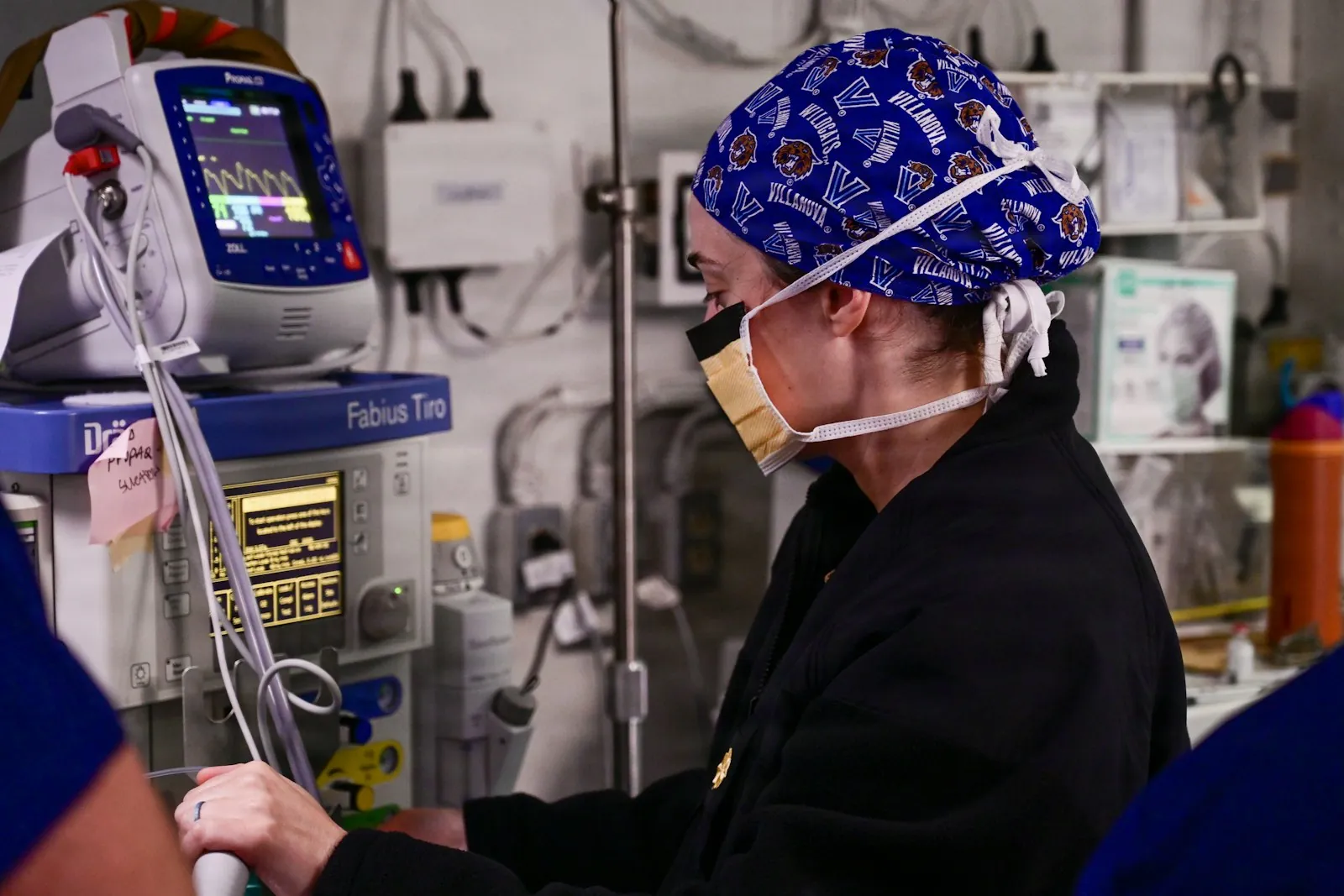
Abdominoplasty is performed under general anaesthesia. Two to three hours is a substantial period, and it deserves more attention than it usually gets.
Ask who administers it and who monitors you throughout. A qualified anaesthetist present for the whole operation is the standard to expect, not a bonus.
Ask too what is done about clot prevention during the operation itself, since immobility under anaesthetic is part of why this procedure carries the risk profile it does.
The Australian and New Zealand College of Anaesthetists publishes standards and patient information on anaesthesia, which set out what proper anaesthetic care involves wherever you have surgery.

The day itself
You arrive fasted, the consent discussion is gone over again, and you are marked while standing. The markings depend on gravity, which is why they are never done lying down.
Watch those markings. They are your operation drawn on you, and it is entirely reasonable to look in a mirror and confirm the scar line is where you were told it would be.
Afterwards there are dressings, a compression garment, possibly drains, and a tight, pulling sensation across the abdomen. You will be positioned bent at the waist and encouraged to walk within the first day.
The one to two nights in hospital exist so the hours in which bleeding and pain-control problems appear happen somewhere they can be managed, as tummy tuck recovery stage by stage describes.
Why the scar is placed where it is
The practice publishes that the incision sits just above the pubic area, and that placement is deliberate rather than incidental.
Low enough and the scar is concealed by underwear and swimwear. A centimetre or two too high and it appears above the waistband of everything you own, which is the single most common permanent regret after this operation.
The length is decided by how much skin is being removed, so a longer scar is not carelessness; it is the price of removing more. What matters is that you understood the trade before consenting.
Bring the underwear or swimwear you actually wear to the consultation and ask for the line to be marked against it. It takes a minute and it is permanent.
Questions worth asking about the operation
- Full or mini, and what does that mean for my navel?
- Are you repairing the muscle layer, and how far up?
- Where exactly will the scar sit, and how long will it be?
- Will liposuction be combined, and what does that add?
- Who administers the anaesthetic and monitors me?
- Will drains be used, and who removes them?
A broader set is collected in the questions worth asking any plastic surgeon.
Questions people ask
Is a longer operation a worse sign?
Not in itself. The two-to-three hour range reflects how much is being done, including whether liposuction is combined. Longer under anaesthetic does mean more risk, which is a reason to question additions rather than the operation.
Can it be done under sedation instead?
This is major abdominal surgery lasting hours, so general anaesthesia is the norm. If a clinic proposes otherwise, ask specifically why and who would be monitoring you.
Will I have a drain, and does everyone?
The practice publishes that a temporary tube may be used. Practice varies between surgeons, so ask what is expected in your case and settle who removes it before you book flights.
Can I discuss this before travelling?
Most of it, as remote consultations before travelling for surgery explains. The standing examination and the scar marking cannot happen remotely. The clinic contact details cover both locations.
Medical information notice. This page is general information. It is not medical advice and does not replace consultation with a qualified medical professional. All surgery carries risk; suitability, recovery and results vary from person to person and are determined by individual medical assessment.