
Aftercare for breast augmentation has a longer tail than most people plan for. The wound heals in weeks, the shape settles over months, and the implant stays with you for years — during which something may eventually need attention.
If you had the operation in another country, all of that later stage happens somewhere your surgeon is not. It is entirely manageable, and almost all of the managing is done before you travel.

Aftercare on four different timescales
Separating them is what makes the planning possible, because each is handled by a different person in a different place.
| When | What it involves | Where it happens |
|---|---|---|
| First days | Monitoring, dressings, the checks that catch early problems | Hospital, then near the clinic |
| First weeks | Wound checks, garment, gradual return to activity | The clinic before you fly, then remotely |
| Months | Implants settling, scars maturing, exercise resuming in stages | At home, reviewed remotely |
| Years | Contracture, rupture, a change in shape or preference | Wherever you live, with your record in hand |
The first two rows are the reason you are asked to stay in Thailand for a period rather than flying home as soon as you feel able. What each stage feels like is set out in breast augmentation recovery stage by stage.
The fourth row is the one this page exists for, and the one that competing guides tend to skip.
The document you must not lose
Ask for the implant details in writing before you leave, and then keep them somewhere you will still find them in a decade.
An implant is a manufactured device. The record should identify the manufacturer, the type and surface, the volume, the serial or batch numbers and the side each was placed on, together with the incision used and where the implant sits relative to the muscle.
Any doctor who assesses you later will ask for exactly that. Without it, a radiologist reading a scan or a surgeon considering a revision is working blind, and reconstructing the information across a time difference years afterwards is far harder than photographing a card today.
Photograph it, email it to yourself, and tell someone else where it is.
Find someone at home before you go
The single most useful thing you can do is identify, before you travel, who would see you at home if something needed attention. Doing that unhurried from your own country is far easier than doing it from a hotel room while worried.
Start with your own doctor. Tell them what you are planning and ask whether they are willing to review healing, arrange imaging if it were ever needed, or refer you onwards. Most will say yes, and the conversation is easier before the fact than after it.
Be realistic about what a public health system will cover. Treatment of complications from elective surgery abroad is often handled case by case and may not be free, and routine cosmetic follow-up generally is not provided at all. The British Association of Plastic, Reconstructive and Aesthetic Surgeons publishes patient guidance on surgery and aftercare that is a useful reference point whatever country you live in.
Check your insurance in the same spirit. Many policies exclude anything arising from elective treatment overseas, so the cover you assume you have may not exist.

The first weeks once you are back
The restrictions outlast the discomfort, and that mismatch is what catches people out. You will feel able to lift, reach and train well before you are allowed to.
Returning to ordinary life is staged rather than granted all at once. Desk work usually comes first, then driving, then general exercise, with upper-body work and anything overhead last. Ask for the stages in writing before you fly, because “a few weeks” means different things to a surgeon and a patient.
Arrange the practical help around that. Someone to carry shopping, a change of shelving so daily items are not above shoulder height, and a plan for children or pets who expect to be picked up.
If your work is physical, tell your surgeon what it actually involves rather than naming the job title. Lifting boxes and standing at a till are different requests.
What remote follow-up can and cannot do
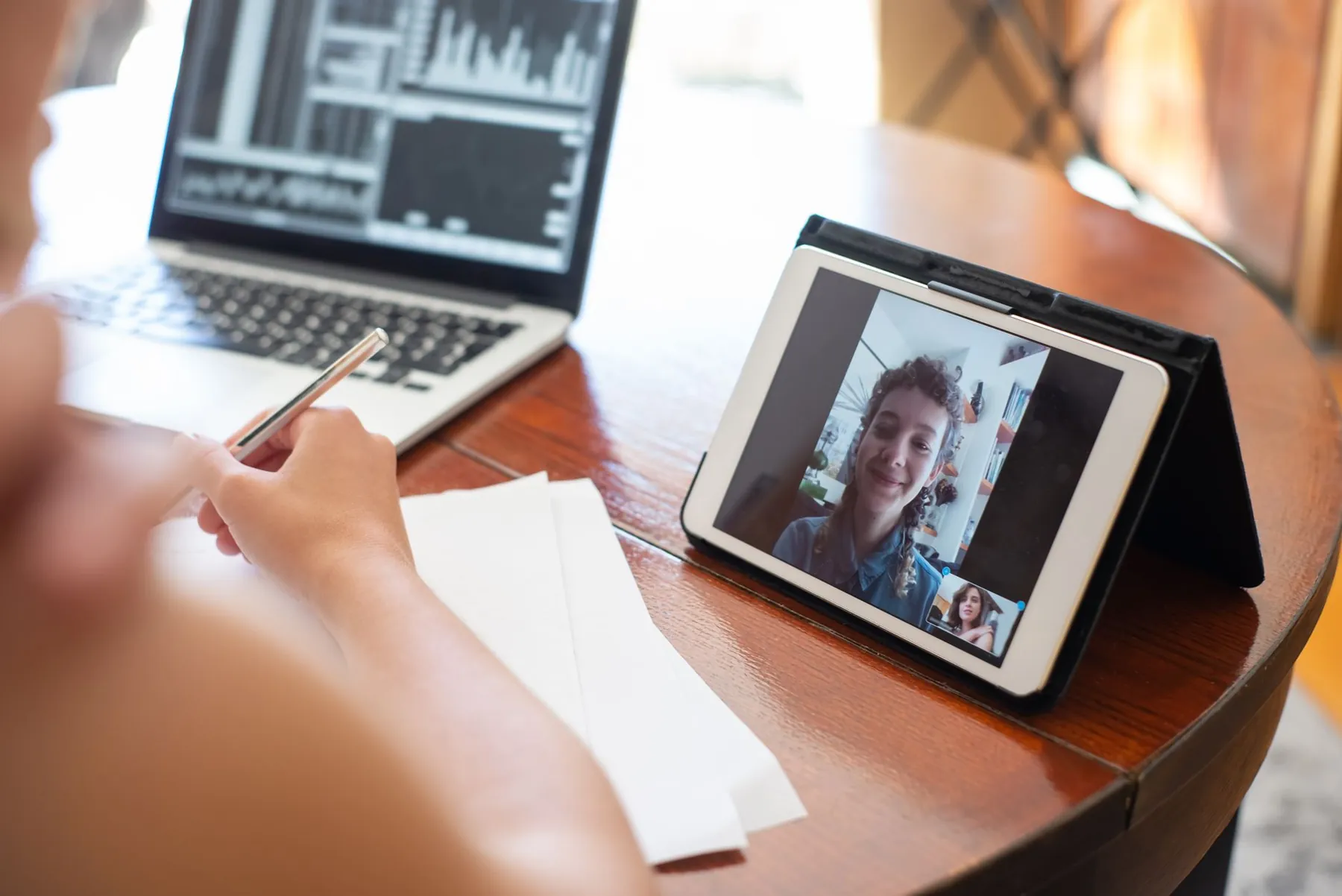
Once you are home, follow-up with the operating surgeon is normally remote, and within its limits it is genuinely useful.
It can confirm that what you are seeing is expected, answer questions about timescales, advise on garments, scars and returning to exercise, and tell you whether something needs to be examined in person.
What it cannot do is examine you, drain anything, prescribe in your country, treat an infection or order a scan. Anything needing hands has to happen where you are, which is why the local arrangement matters. The same boundary is described in remote consultations before travelling for surgery, and it applies just as much afterwards.
Send photographs the way the practice asks, in daylight, from the same angles each time. Consistency is what makes them comparable.

If something changes years later
This is the scenario worth rehearsing, because it is the likeliest one and the least planned for.
A breast that becomes firmer, higher or uncomfortable; a change in shape; new swelling on one side; or simply a wish to have the implants exchanged or removed. None of that is an emergency, and all of it is a reason to be seen.
Take your implant record to a local plastic surgeon and ask for an assessment. Tell the original practice too: they know what was done and can advise the doctor in front of you. Whether a revision is warranted, and what it would involve, is covered in how to judge whether breast augmentation in Thailand is safe.
Urgent symptoms are different and go to local care first: fever, spreading redness, discharge, rapidly increasing pain, or breathlessness and calf pain. Tell the practice afterwards, but do not wait for a reply across a time difference before being seen.
Questions people ask
Who removes my stitches?
Usually the clinic, before you fly, which is one reason the length of stay is set as it is. If anything is to be done at home, establish who will do it before you leave Thailand.
How long do I wear the support garment?
For as long as your surgeon says, which is specific to the procedure and to you. Do not shorten it because you feel comfortable; the garment is doing work you cannot feel.
Do implants need routine scans?
Practice varies by country and by implant type, so ask your surgeon what they advise for the device you have and tell whoever arranges your breast screening that you have implants.
How do I reach the practice from another country?
Agree the route before you fly, including out of hours. The clinic contact details cover both locations, and how travelling to Thailand for surgery works sets out where this fits in the sequence.
Medical information notice. This page is general information. It is not medical advice and does not replace consultation with a qualified medical professional. All surgery carries risk; suitability, recovery and results vary from person to person and are determined by individual medical assessment.