
Most people considering breast augmentation know what they want the result to be and almost nothing about the operation that produces it. That gap is worth closing, because the technical decisions — anaesthetic, incision, placement — are the ones that shape your recovery and your scar.
This page sets out what the operation involves, using the figures this practice publishes for its own patients.
The published figures
The breast augmentation procedure page publishes a general guide. These are averages rather than promises, and what applies to you is decided at assessment.
| Item | Practice guide | What determines it |
|---|---|---|
| Surgery time | About 1 hour | Placement, incision, and whether anything is combined |
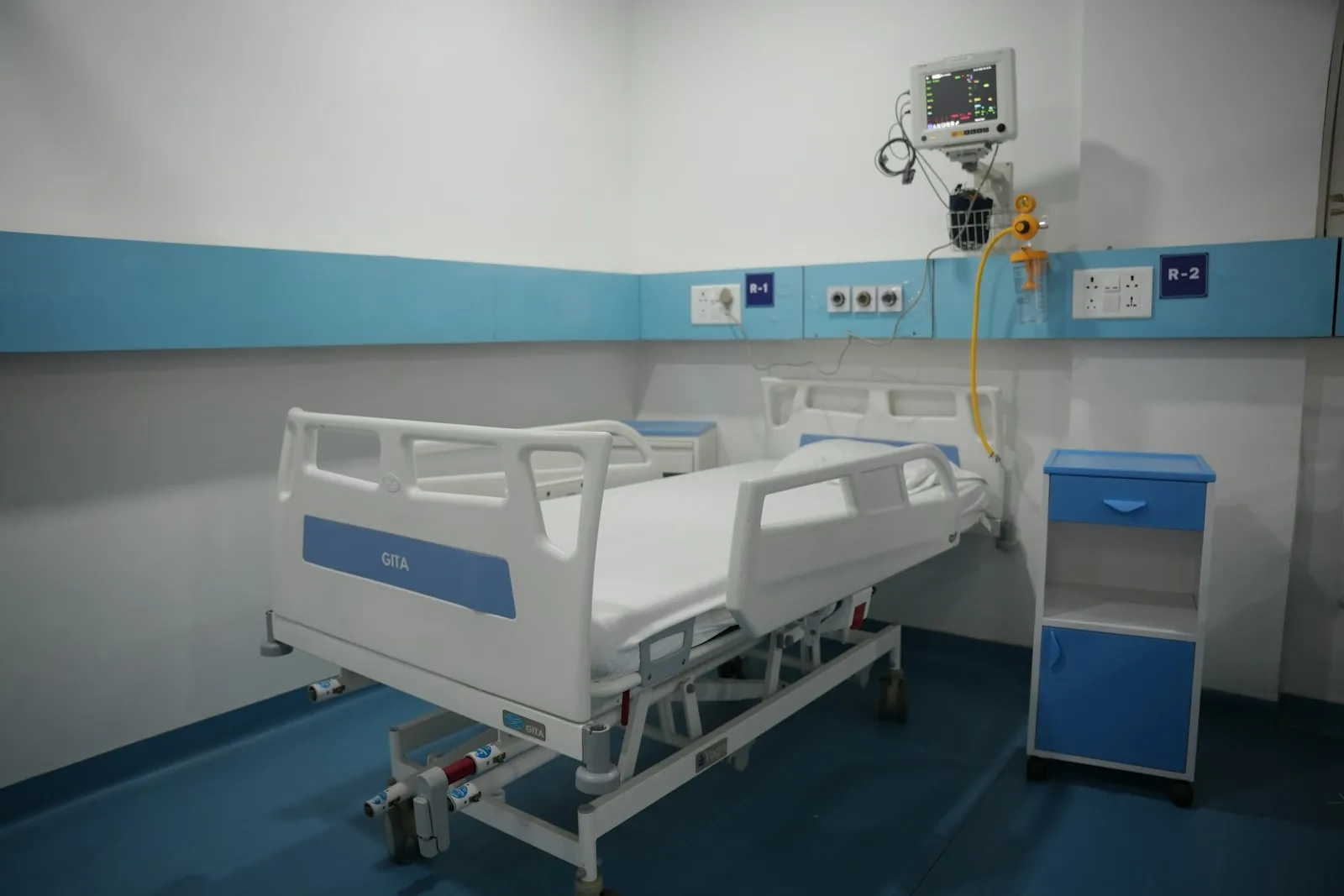
| Hospitalisation | 1 day | The anaesthetic and the first hours of monitoring |
| Recuperation | 3 to 5 days | Your healing, and what you need to return to |
An hour is a shorter operation than most people expect, and the number can be misleading. The day is occupied by admission, marking, the anaesthetic, recovery and observation; the operating time is only the middle of it.

The anaesthetic
Breast augmentation is normally performed under general anaesthesia. Which technique is appropriate depends on what is being done, how long it will take and your own health, and it is decided by the surgeon with the anaesthetist rather than chosen from a menu.
What matters more than the label is who administers it and who watches you throughout. Ask whether a qualified anaesthetist is involved and what monitoring is used. The World Federation of Societies of Anaesthesiologists publishes standards on exactly this, and they exist because the answer varies between facilities.
You will be asked to fast beforehand, and those instructions are exact rather than approximate. You will also be asked again about medication, allergies and previous anaesthetics, sometimes more than once. That repetition is deliberate.
Anaesthesia carries risks of its own, separate from the surgery, and they should be discussed with you rather than assumed to be understood.
Where the incision goes
This practice publishes that the incision can be made in the crease where the breast meets the chest, around the areola, or in the armpit, and that it prefers the armpit approach in order to keep scars as inconspicuous as possible.
| Approach | Where the scar sits | Generally considered for |
|---|---|---|
| Armpit (axillary) | In the fold of the armpit, away from the breast | Keeping the breast itself unmarked |
| Crease (inframammary) | In the fold beneath the breast | Direct access and precise pocket control |
| Areola (periareolar) | At the border of the areola | Concealment at a colour boundary |
Understand what the table means: incisions are placed, not avoided. Every augmentation leaves a scar somewhere, and the skill is in putting it where clothing, shadow or a natural fold conceals it. Anyone offering implants without a scar is describing something else.
Ask which approach is proposed for you, why that one, and where exactly the scar will fall on your body. It is a reasonable request and the answer is specific to you.
Where the implant sits
The second technical decision is the pocket: whether the implant sits above the chest muscle, partly beneath it, or in a variation between the two.
Placement is decided by how much natural tissue you have to cover the implant, what you do with your body, and the shape you are after. Thin coverage at the upper pole generally argues for more muscle over the implant; heavy upper-body use is a reason to discuss the trade-offs carefully.
It also affects recovery. A pocket made partly under the muscle usually involves more early discomfort than one above it, which is worth knowing before you plan your first week rather than discovering afterwards.
There is no universally correct answer. There is one that suits your tissue, and it is settled at examination, as what happens at a breast augmentation consultation describes.
The implant itself
The third decision is the device, and it is the one that stays with you longest.
Implants differ in filling, in shell surface, in profile — how far the implant projects for a given width — and in volume. Those variables interact: two implants of identical volume can produce visibly different shapes depending on how wide and how projecting each one is.
This is why volume alone is a poor way to describe what you want, and why a surgeon works from your chest width first and chooses volume within it.
Ask which device is proposed, what its surface is, and whether you will be given the manufacturer, size and batch details in writing afterwards. That record is what makes any later assessment possible, as breast augmentation aftercare when you live abroad sets out.
The day itself, and the day after
You arrive fasted, go over the consent discussion again, and are marked while standing — the markings depend on gravity, which is why they are not done lying down.
Afterwards there are dressings and a support garment, a feeling of tightness across the chest, and implants sitting higher than they eventually will. None of that is the result, and it is not meant to be.
You will be told how to sleep, usually on your back and propped up, and what you must not lift. The lifting restriction is the one most often broken and the one that matters most in the first fortnight.
The overnight stay exists so that the hours in which problems would appear happen where they can be dealt with. What follows is set out in breast augmentation recovery stage by stage.
Questions worth asking about the operation
- Which implant are you proposing for me, and why that one?
- Which incision, and where will the scar be on my body?
- Above or below the muscle, and what does that change for me?
- Who administers the anaesthetic, and what monitoring is used?
- Will drains be used, and when would they come out?
- Where does the operation take place, and what if I need admitting?
How to weigh the answers is covered in choosing a surgeon for breast augmentation in Thailand.
Questions people ask
Does a longer operation mean a better result?
No. Operating time reflects what is being done and how, not care taken. Longer under anaesthetic means more risk rather than more benefit.
Will I have drains?
Sometimes, depending on the technique and on you. If they are used they usually come out within a day or two. Ask in advance so it is not a surprise.
Can I meet the anaesthetist beforehand?
Ask. Many patients do, particularly anyone with a history of difficult anaesthetics or significant medical conditions.
How do I raise these questions before travelling?
Most of them can be answered remotely, as remote consultations before travelling for surgery explains. The clinic contact details cover both locations.
Medical information notice. This page is general information. It is not medical advice and does not replace consultation with a qualified medical professional. All surgery carries risk; suitability, recovery and results vary from person to person and are determined by individual medical assessment.