
Search for a breast augmentation surgeon in Thailand and you will mostly find listings: clinics ranked by price, star ratings and photograph galleries. Almost every one of them tells you to judge a surgeon by their before-and-after pictures.
That advice does not work here, because Thai clinics may not lawfully publish those galleries. This page sets out what you can check instead, and the questions that are specific to implants rather than to surgery in general.
Start with the qualification, not the gallery
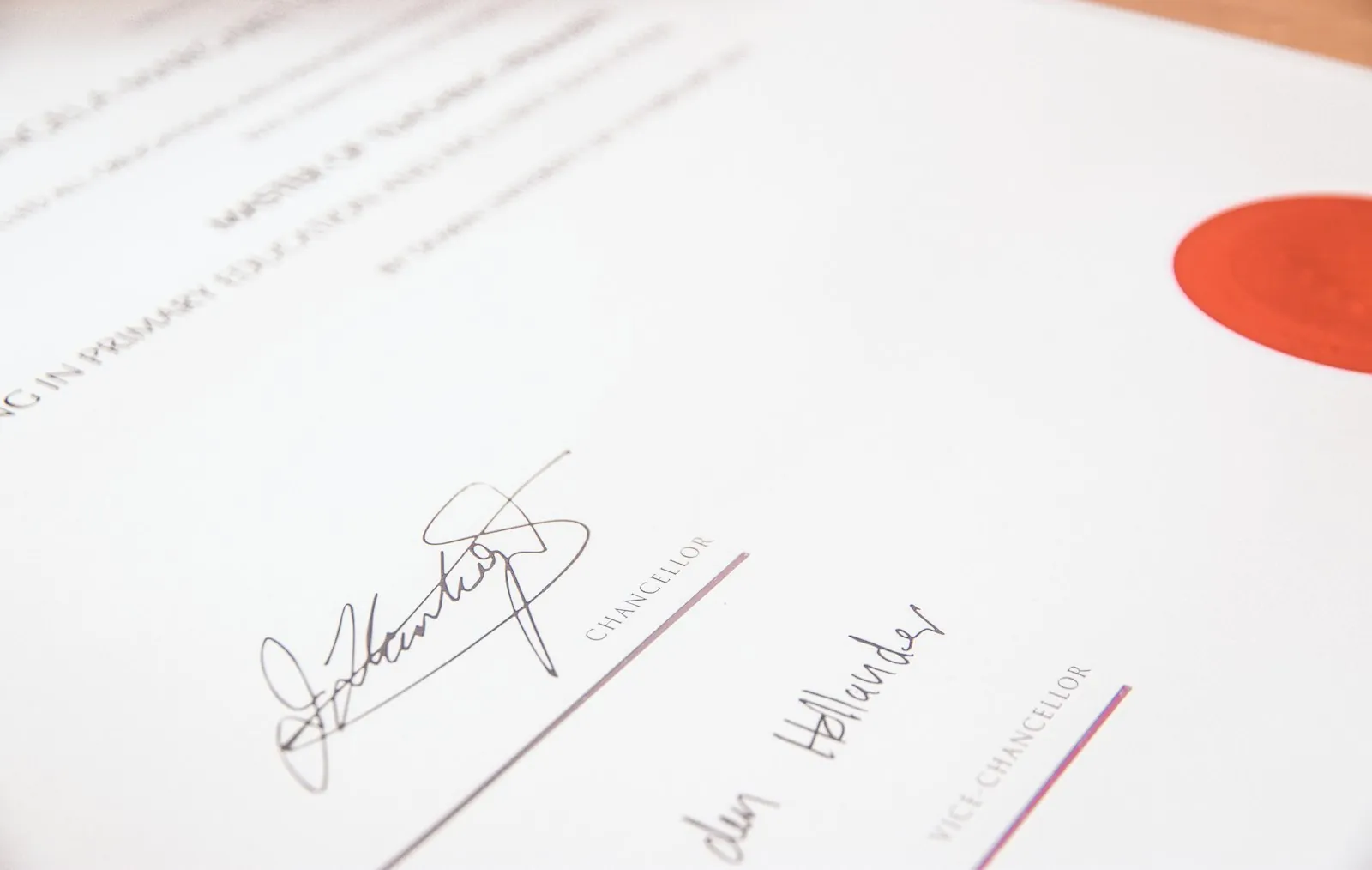
Everything else is secondary to whether the person operating on you is a registered doctor who holds a board qualification in plastic surgery. It is the one check that is both verifiable and worth the effort.
Doctors in Thailand are licensed by the Medical Council of Thailand, and plastic surgery is a recognised specialty with its own board certification. The Society of Plastic and Reconstructive Surgeons of Thailand is the national professional body, and membership is a check on qualification rather than a marketing badge.
Be precise about titles. “Cosmetic surgeon” and “aesthetic doctor” are not protected in the way a plastic surgery board qualification is, in Thailand or anywhere else. Ask for a licence number and the qualification held, then verify it rather than accepting a website’s word.
This practice publishes Dr Witoon’s registrations and licence number for exactly that purpose.

The questions that are specific to implants
General questions about experience and hospitals matter for any operation. These are the ones that separate a surgeon who has thought about your case from one who is quoting a price.
| Ask this | What you are really finding out |
|---|---|
| Which implant would you use for me, and why that one? | Whether the choice follows your anatomy or the clinic’s stock. |
| Where would the implant sit relative to the muscle? | Whether placement has been considered at all. |
| Which incision do you propose, and what scar does it leave? | Whether you will know where the scar is before you consent. |
| How did you arrive at that size? | Whether sizing came from measurement or from a cup letter. |
| What would you do if capsular contracture developed? | Whether there is a plan for the most common complication. |
| Will I be given the implant details in writing? | Whether you can identify the device years later. |
| What would make you decline to operate on me? | Whether the answer is ever no. |
The implant record matters more than people expect. Implants are medical devices with manufacturers, sizes and batch numbers, and a doctor treating you in ten years will ask what was put in.
A broader list is collected in the questions worth asking any plastic surgeon, and the sizing conversation is covered in how to prepare for breast augmentation.

Why the usual advice about galleries fails in Thailand
Nearly every guide to choosing a surgeon abroad says to study before-and-after photographs of patients with a similar frame to yours. It is reasonable advice in countries where those images may be published.
Under the regulations of the Medical Council of Thailand, this practice does not display before-and-after photographs on its website. That applies to every procedure, and it is a rule being followed rather than a comment on any result, as the explanation of why before and after photographs are not shown sets out.
The practical consequence is that galleries cannot be used to compare Thai surgeons at all. That is less of a loss than it sounds. Photographs are selected by the clinic showing them, are affected by lighting, posture and garment, and tell you nothing about the cases that went badly.
What replaces them is an examination in which your own chest dimensions and tissue are assessed and you are told what is achievable for your frame. That is a better basis for a decision than someone else’s photograph.
Where the operation happens, and who else is in the room
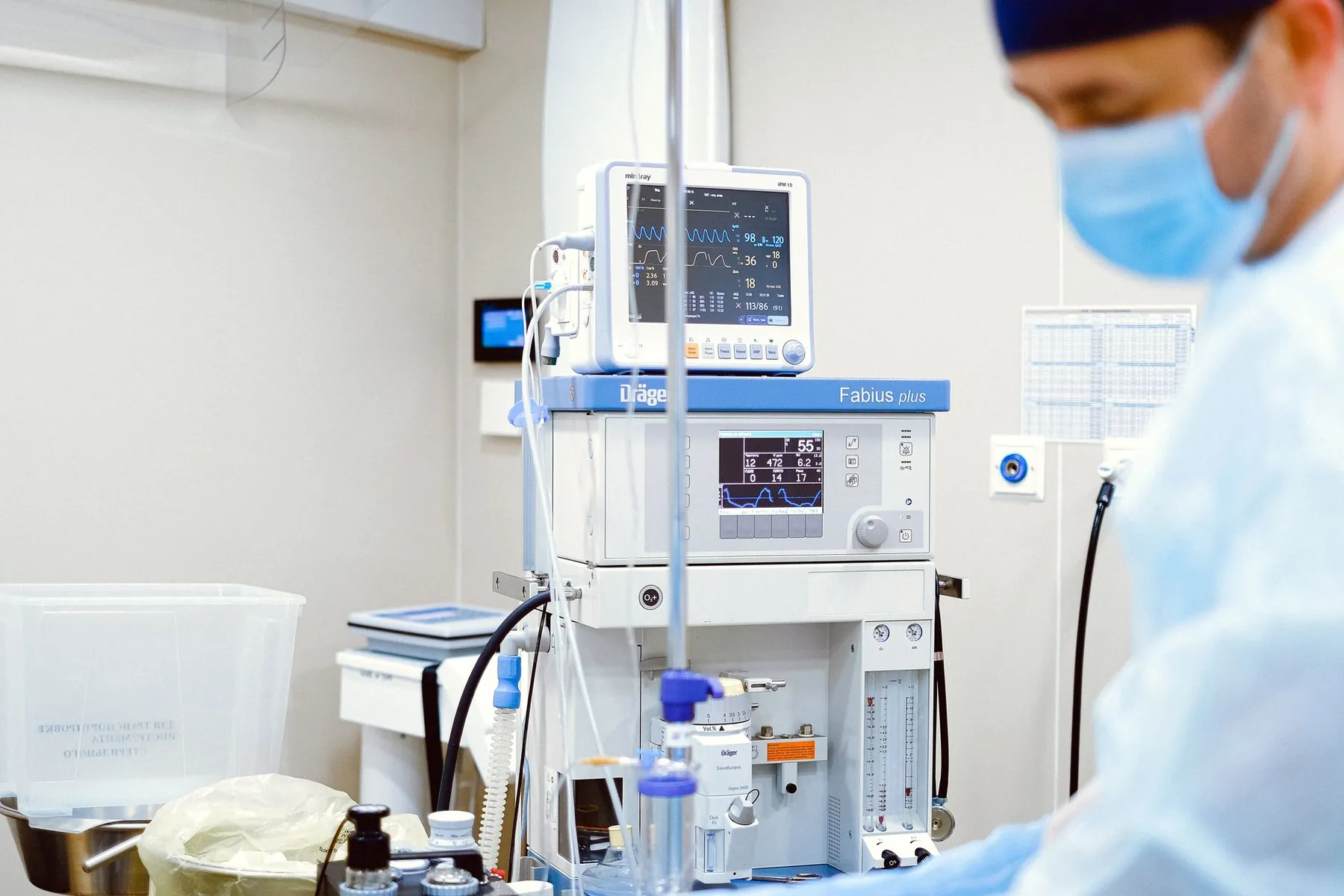
The surgeon is not the whole decision. Breast augmentation is performed under anaesthetic, and an implant is a foreign device placed in a sterile pocket, so the facility matters as much as the operator.
Ask which hospital or facility is used, whether a qualified anaesthetist administers the anaesthetic and monitors you, and what happens if you need to be admitted unexpectedly. Ask how many nights are planned; this practice publishes a guide of one day in hospital.
If a clinic is vague about any of it, the vagueness is your answer. What the operation itself involves is set out in breast augmentation recovery stage by stage, which also gives the practice’s published figures.

How to read experience for this operation
Years in practice is a crude measure, but for implant surgery the useful question is narrower: how routinely does this surgeon perform breast augmentation, and on frames like yours?
A surgeon who operates across the whole of plastic surgery is not the same as one who rarely does breasts, and neither is disqualifying. What matters is that the answer is given plainly rather than deflected.
Ask what proportion of their augmentations are revisions, too. A surgeon who regularly corrects other people’s implant work has seen the ways it goes wrong, which tends to make their advice about size and placement more conservative.
Then ask what they would refuse to do. A surgeon willing to fit any implant a patient requests is not exercising judgement on your behalf.
Warning signs
The pattern to watch for is a process organised around securing your booking rather than around deciding whether you should have the operation.
- A size is agreed before anyone has measured your chest.
- You never speak to the surgeon who would operate.
- A price is quoted before any assessment has taken place.
- Discounts that expire, or pressure to confirm a date.
- The implant brand cannot be named, or the record is not offered.
- Surgery is bundled with hotels and tours as a package holiday.
- No clear answer about who manages a complication once you are home.
None of these on its own proves poor care. Several together describe a business rather than a medical practice.
Questions people ask
Are online reviews and clinic rankings useful?
Read them for patterns in how a clinic communicates and handles problems, not as evidence of surgical skill. Aggregator rankings are commercial listings, and a five-star average tells you very little.
Does a higher price mean a better surgeon?
No, and neither does a lower one. Ask what a quotation includes: the facility, the anaesthetist, the implants themselves, the hospital stay, follow-up and any garment. A figure that omits several of those is incomplete rather than cheap.
Should I choose the surgeon or the hospital?
The surgeon, then check the facility separately. A good surgeon operating somewhere poorly equipped to manage a complication is still a risk you are carrying.
Can I decide before travelling?
You can do the verifying, the questions and much of the discussion remotely, as remote consultations before travelling for surgery explains. What cannot happen remotely is the examination that decides size and placement. The clinic contact details cover both the Bangkok and Chiang Mai locations.
Medical information notice. This page is general information. It is not medical advice and does not replace consultation with a qualified medical professional. All surgery carries risk; suitability, recovery and results vary from person to person and are determined by individual medical assessment.