
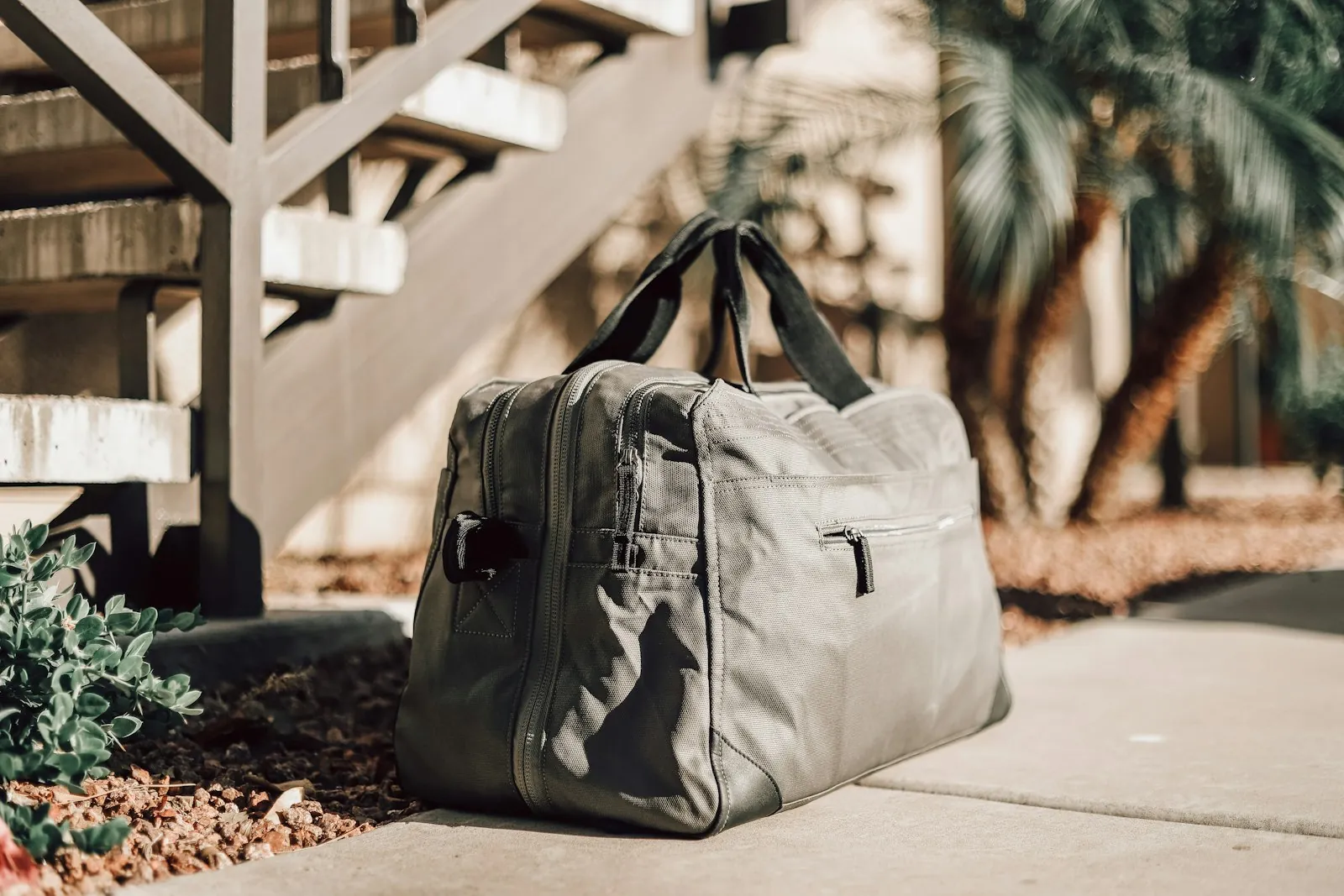
Preparation for breast augmentation divides into two halves that people tend to conflate. One is medical: tests, history, medication, and being fit for an anaesthetic. The other is the set of decisions about the implants themselves, which take longer to think through than most people expect.
Both are better done unhurried. This page describes what each generally involves; the instructions you are given by your own surgeon always take precedence.

The assessment comes first
Nothing else can be settled before an examination, because the decisions that follow depend on your own anatomy: chest dimensions, existing breast tissue, skin quality and how the two sides differ. Most people are noticeably asymmetric, and this is usually the first time it has been pointed out.
Bring your full medical history, a written list of medication including supplements, and an account of previous surgery and anaesthetics. Mention any family history of breast disease, and any previous breast imaging.
The breast augmentation procedure page publishes the practice’s general guide: about an hour of surgery, one day in hospital, and three to five days of recuperation.
The decisions about the implants
This is the part that deserves more than one conversation, and the part people arrive with the firmest opinions about.
Size is not chosen from a catalogue. What is achievable depends on your chest dimensions and existing tissue, and a size that suits one body will not suit another. This practice’s published description is that an experienced surgeon helps choose an appropriate implant size taking individual factors and personal preference into account, which is the right order: anatomy first, preference within it.
The incision is a separate decision. The practice publishes that it can be made in the crease beneath the breast, around the areola, or in the armpit, and that the armpit approach is preferred in order to keep scars as inconspicuous as possible. Ask which is proposed for you and why.
Ask also about implant type, where the implant sits relative to the muscle, and what would happen years from now. Implants are medical devices rather than permanent fixtures, and the American Society of Plastic Surgeons publishes patient information on breast augmentation covering that longer view.
What is usually discussed beforehand
The topics below come up in most pre-operative conversations. None is a rule to apply yourself: the table says what to raise, and who decides.
| Topic | Why it is raised | Who decides |
|---|---|---|
| Blood-thinning medication | Affects bleeding during and after surgery | Your surgeon, with whoever prescribed it |
| Supplements and herbal remedies | Several affect clotting and are rarely mentioned | Your surgeon |
| Smoking and nicotine | Impairs wound healing | Your surgeon; stopping is always advised |
| Breast screening history | Imaging before surgery may be advised depending on age and history | Your surgeon |
| Plans for pregnancy or breastfeeding | Affects timing and the discussion about approach | You, with medical advice |
| Weight and fitness | Significant weight change alters the result | Your surgeon |
| Sport and occupation | Upper-body demands affect recovery planning | Discussed together |
Never stop prescribed medication on your own initiative because of something you have read. Ask, and let the doctors involved agree it between them.
Tests and clearance
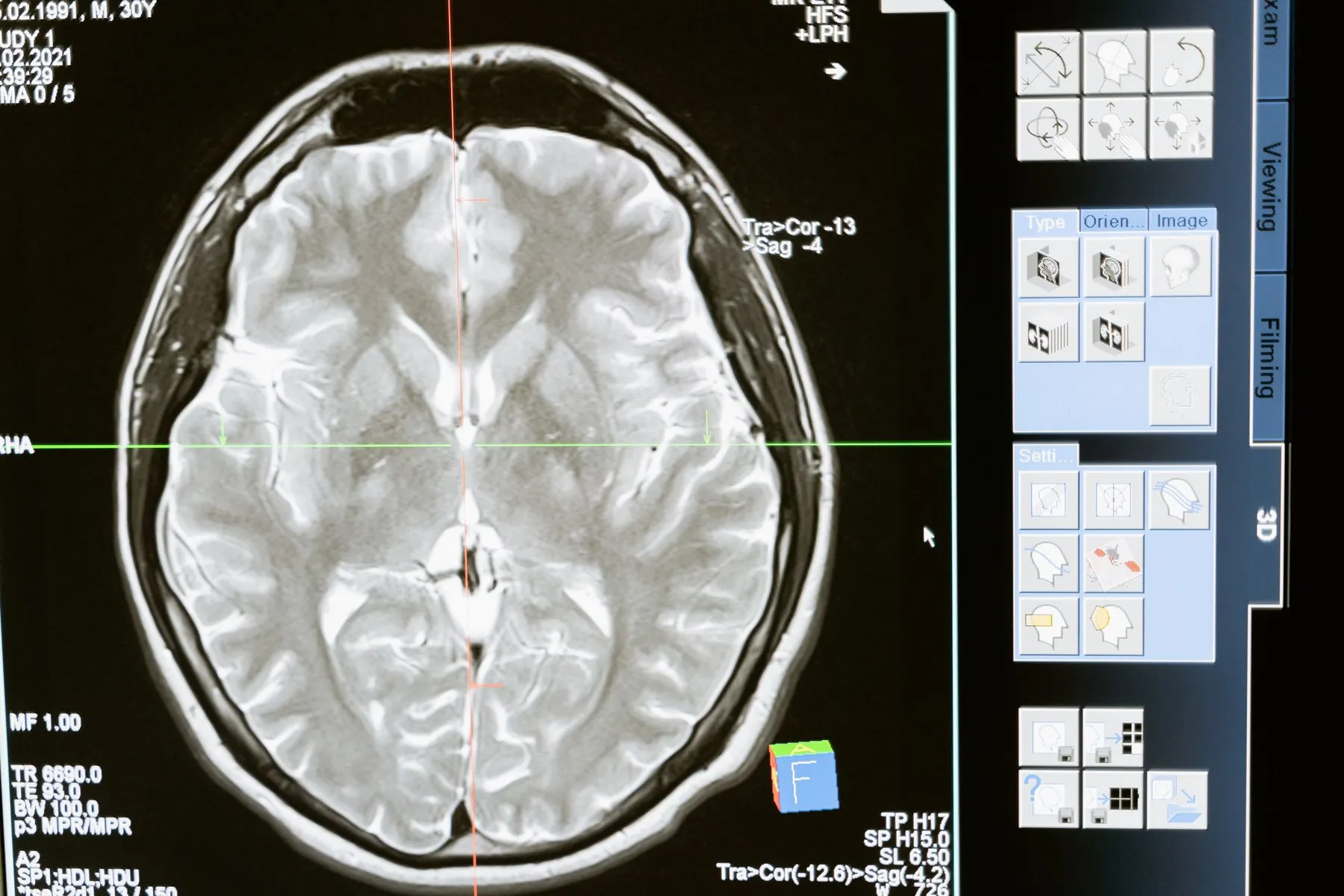
Some tests are ordinary before an operation under general anaesthetic, and which ones you need depends on your age, your health and the procedure rather than on a fixed list.
If you have a chronic condition, take regular medication, or have had a general anaesthetic go badly before, say so early. These are the things that change the plan, and they are far easier to work around with notice.
Ask whether breast imaging is advised before surgery in your case. The answer depends on your age and history, and it is a question worth asking rather than waiting to be told.

The practical arrangements
The first week after this operation is defined by what you are not allowed to lift, so the arrangements are mostly about removing the need to.
- Someone to help for the first days, particularly with carrying anything.
- Clothing that fastens at the front, since nothing should go over your head.
- Everything you use daily moved down from high shelves.
- Food and water bought in advance rather than after.
- Extra pillows, so you can sleep propped up as instructed.
- Time off work that assumes recovery takes longer than you hope.
- A written note of how to reach the clinic outside normal hours.
Do not buy a support garment in advance unless you have been told to. Type, size and duration are specific to the procedure, and guessing usually means buying twice.
If you are travelling for the operation, the same list applies with accommodation and flights on top. What to pack and arrange before surgery in Thailand covers that side, and breast augmentation recovery stage by stage explains how long you should expect to need.
Preparing for how it will feel
The part of preparation people skip is the expectation-setting, and it is what decides whether the first fortnight feels manageable or alarming.
Immediately afterwards the chest feels tight and the implants sit high. That is not the result and is not meant to be. Knowing it in advance is different from having been told once and forgotten.
Ask your surgeon what to expect at day three, at two weeks and at three months, so you have markers to measure against. Ask too what would count as a reason to make contact early rather than wait.
Decide in advance who you will tell and what you will say. That is a personal rather than a medical question, and it is easier settled before surgery than improvised after it.
The last few days
By this point preparation should be finished and the remaining job is to arrive rested. You will be given fasting instructions, and they are exact rather than approximate.
On the day, leave jewellery, contact lenses, make-up and nail varnish at home, and wear something loose that fastens at the front. Bring your medication list and identification, and expect the consent discussion to be repeated.
If you develop a cold, a chest infection or a fever beforehand, tell the clinic rather than pressing on. Postponing is a nuisance; operating with an active infection is a different order of problem, particularly when an implant is involved.
Questions people ask
How far in advance should I start?
Several weeks, because anything involving medication, smoking or medical clearance needs that long. If you are travelling, it has to be settled before flights are booked.
Should I decide on a size before the consultation?
Come with a sense of what you want rather than a fixed number. What is achievable depends on your anatomy, and the useful conversation starts from what you would like and works within what is possible.
Will this affect breast screening later?
Implants change how imaging is performed and interpreted, so tell whoever arranges your screening in future. Raise it before surgery so you understand what it means for you.
How do I check the surgeon?
Ask for the licence number and board qualification and verify them independently. Dr Witoon’s registrations and licence number are published for that purpose, and the clinic contact details cover both locations.
Medical information notice. This page is general information. It is not medical advice and does not replace consultation with a qualified medical professional. All surgery carries risk; suitability, recovery and results vary from person to person and are determined by individual medical assessment.