

Packing lists for surgery abroad tend to be written for holidays with an operation attached. The useful version is shorter, duller and organised around one question: what will be difficult to obtain, or difficult to do, in the week after an operation?
Most of what matters is arranged before you pack anything. This page covers both: the documents and decisions to settle in advance, and the practical items worth having with you.
It is general guidance for planning. Anything procedure-specific, from garments to what you should stop taking, comes from the surgeon who has assessed you.
Settle these before you think about a suitcase
Packing is the last step, not the first. If the items below are not resolved, no amount of preparation in a suitcase compensates.
- Whether an in-person consultation is required before anything can be scheduled.
- How long you should plan to be in Thailand, and how much of that is recovery rather than appointments.
- How follow-up will be handled once you are home, and who to contact if something changes.
- Whether your travel or medical insurance covers elective surgery abroad, and anything arising from it.
The full sequence is set out in the guide to how travelling to Thailand for surgery actually works, and in the practice’s own information for international patients.
Documents and medical information
Bring the paperwork that lets someone treat you safely if you are unwell and cannot explain your own history.
- Passport, visa if required, and insurance documents with the policy number and emergency line.
- A written list of every medicine, supplement and herbal remedy you take, with doses.
- Allergies, including reactions to anaesthetic, antibiotics or dressings.
- Relevant previous surgery, and any complication you had.
- Contact details for your usual doctor at home.
Send clinical information through whatever secure channel the practice asks for, not through a website contact form. The NHS overview of what to consider before a cosmetic procedure is a useful second opinion on the questions worth settling first.
The weeks before: what is usually asked of you
Preparation is mostly about the weeks before the flight rather than the day of it. The topics below come up in most surgical consultations, whatever the procedure.
None of this is instruction. What applies to you, and when, is decided by the surgeon who assesses you. The point of knowing the list in advance is that several items take weeks, not days.
| Topic | Why it is raised | How much notice it needs |
|---|---|---|
| Smoking | Affects wound healing and is asked about routinely | Weeks, not days |
| Blood-thinning medicines and some supplements | Can affect bleeding during and after surgery | Decided at consultation |
| Alcohol | Interacts with medication and with healing | Days before, typically |
| Being unwell before travel | An infection may mean postponing rather than proceeding | Tell them immediately |
| Weight and general fitness | Relevant to suitability for some procedures | Raised early if relevant |
| Time off work | Depends on the procedure and on your job | Before booking |
The item people underestimate most is time off. Desk work and physical work have very different timelines, and a plan built on the shorter one is uncomfortable to unwind once flights are booked.
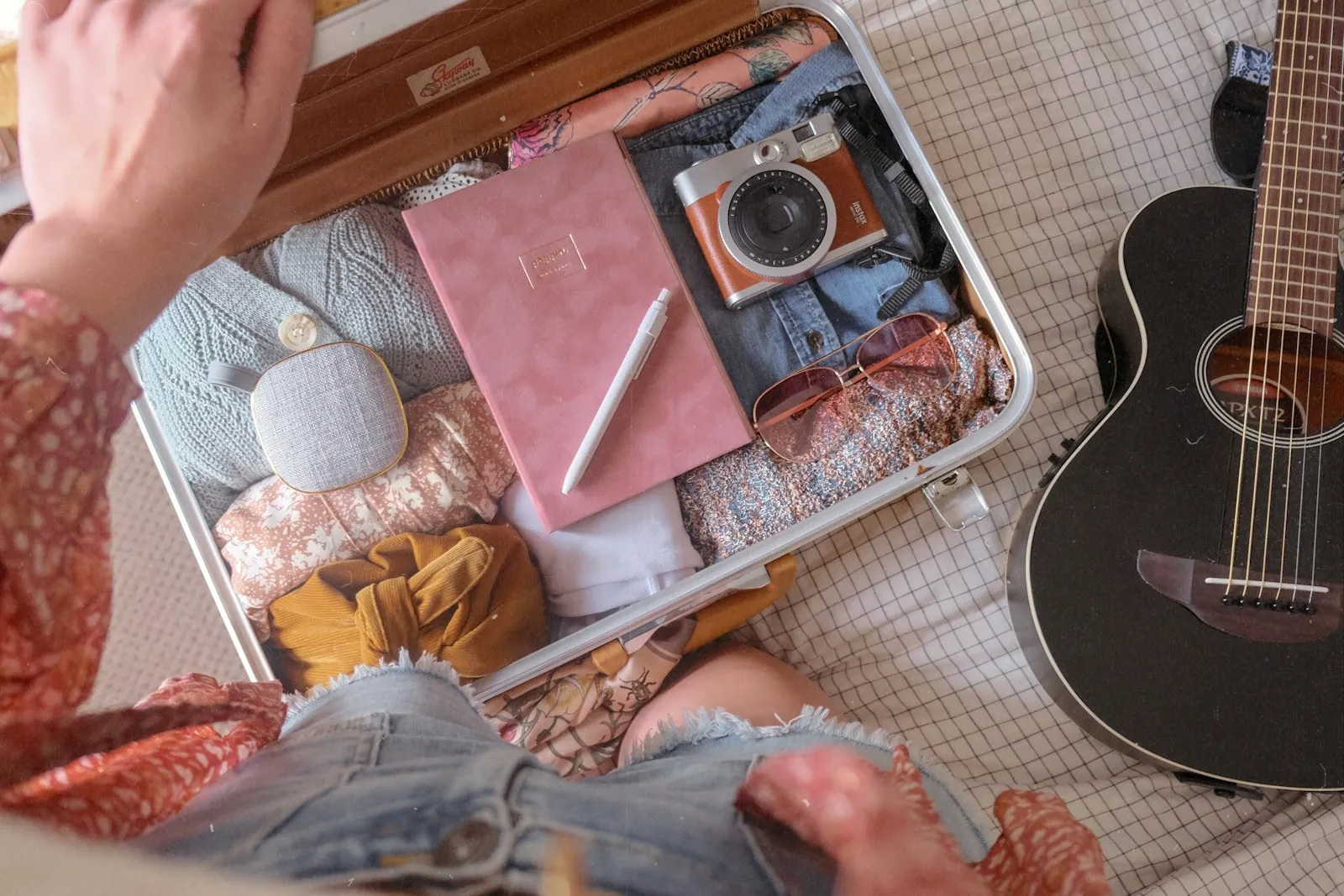
What to actually pack
Sorted by how much you will regret not having it. Ask the practice about anything procedure-specific, since garments and dressings differ.
| Item | Why it matters after surgery |
|---|---|
| Front-fastening tops | Anything pulled over the head is difficult after facial, breast or upper-body surgery |
| Slip-on shoes | Bending down is restricted after abdominal and some body procedures |
| Loose, soft trousers | Waistbands sit exactly where you do not want pressure |
| Your own medicines, in original packaging | Brand names differ between countries; packaging identifies the drug |
| A refillable water bottle | Hydration matters and reaching for things does not |
| Lip balm and unscented moisturiser | Air conditioning and long flights dry skin and lips |
| A neck pillow and eye mask | Sleeping propped up is common after facial surgery |
| Entertainment that needs no concentration | You will have more idle hours than you expect |

What not to bring, and what to leave behind
Some things are worth deliberately excluding. Each of these causes more trouble than the space it saves.
- A packed itinerary. Recovery routinely takes longer than the minimum quoted. Leave the days after surgery empty.
- Supplements you have not declared. Several affect bleeding and healing. Declare everything and be guided.
- Heavy luggage. Lifting is restricted after many procedures, sometimes for weeks.
- An assumption about sun. Fresh scars and sun exposure are a poor combination; ask what applies to yours.
- New skincare or cosmetics to try. The period after surgery is the wrong time to introduce anything your skin has not met before.

Arranging help
Travelling alone for surgery is possible but harder than people expect. Someone who can collect prescriptions, carry things and notice if you seem unwell is genuinely useful in the first days.
The value is not only practical. Judgement is poorer when you are tired, sore and far from home, and a second person is often the one who notices that something has changed and says so.
If you are travelling alone, arrange in advance where you will stay, how you will get there from the clinic, and who you will contact if you are worried at three in the morning. Recovery and follow-up care explains why that contact route matters.
Think about the physical shape of where you are staying, too. Stairs, a bath you have to climb into, or a room several floors from anywhere you can buy food are all minor inconveniences normally and significant ones in the first week after an operation.
Tell whoever you are staying with what has been done, in plain terms, and what the warning signs are. Someone who knows what to look for is more useful than someone who is simply present.

Questions people ask
Should I buy compression garments before I travel?
Ask first. Garment type, size and how long it is worn are specific to the procedure, and buying the wrong thing in advance wastes money.
Can I bring my usual painkillers?
Bring them in original packaging and declare them, but do not assume you should continue taking them. Some affect bleeding, and your surgeon will advise what to stop and when.
How much time should I allow before flying home?
It is a clinical judgement rather than a fixed number of days, and it depends on the procedure and on your recovery. Establish it before booking a return flight.
Is it worth bringing photographs of what I want?
Bringing images to explain what bothers you is reasonable and often helpful. Treating them as a target is not: the starting point is your own anatomy, and what is achievable is assessed in person.
Note also that this practice does not publish before and after photographs, following the regulations of the Medical Council of Thailand. The explanation of why before and after photographs are not shown covers what to assess instead.
What should I ask at the consultation itself?
The list of questions worth asking a plastic surgeon covers qualifications, risks, recovery and what happens if a result is not what you hoped.
Medical information notice. This page is general information. It is not medical advice and does not replace consultation with a qualified medical professional. All surgery carries risk; suitability, recovery and results vary from person to person and are determined by individual medical assessment.