

The days after an operation are not a holiday, and Thailand does not stop being a hot country because you have just had surgery. Most of what makes recovery here comfortable or miserable is decided before you arrive, in choices about where you stay, how you will move around, and what you expect to eat.
None of it is complicated. It is simply easy to overlook while the surgery itself occupies all your attention.
Choosing where to stay
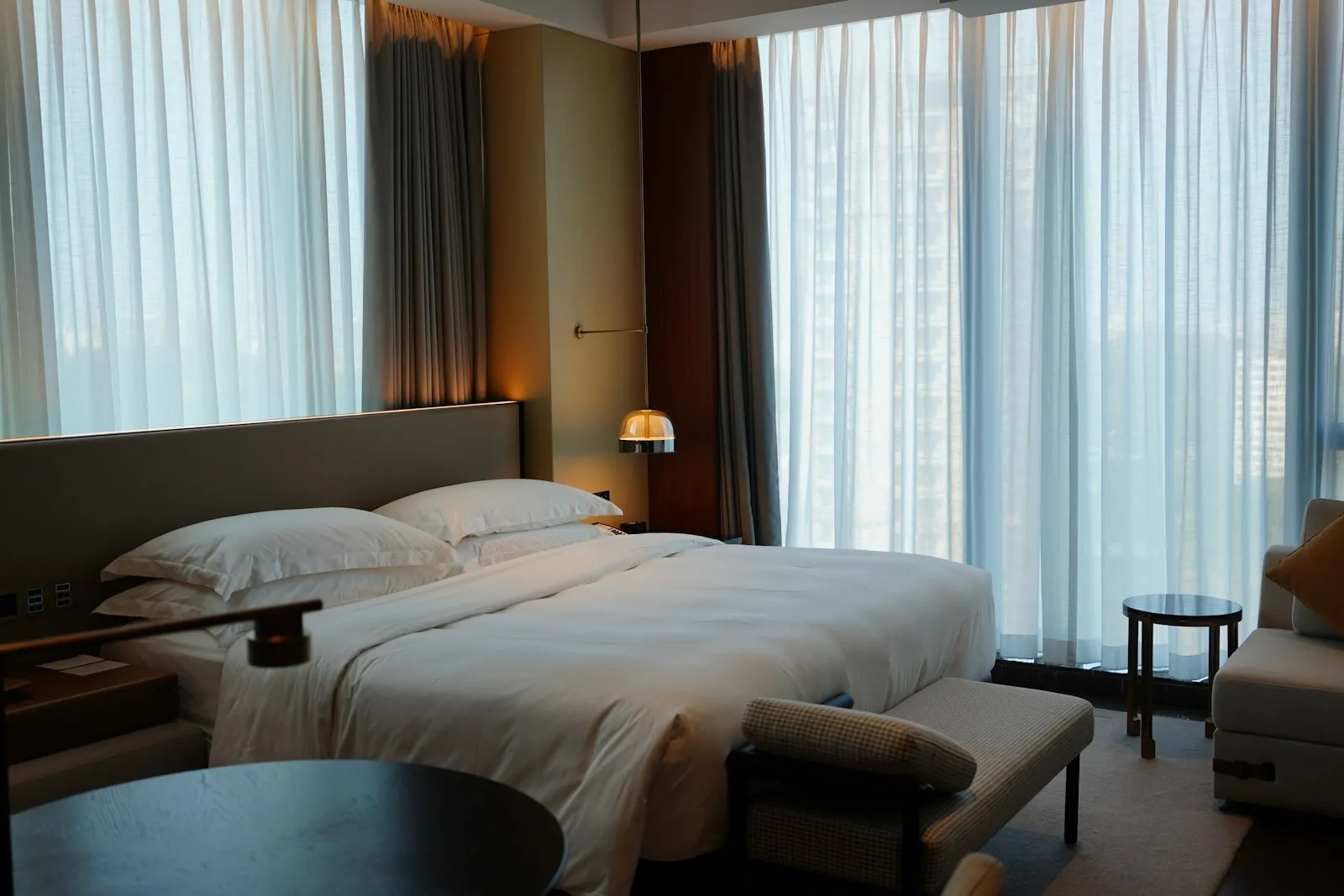
Distance from the clinic matters more than anything else on a hotel listing. A room twenty minutes away that you can reach without effort is worth more than a better room an hour away in traffic.
Beyond that, the useful questions are practical ones. Is there a lift, or stairs? Can you request extra pillows, so you can sleep propped up if you have been told to? Is there somewhere to buy water and simple food without a long walk?
Quiet is undervalued. Sleep does a great deal of the work in the first week, and a room facing a main road in Bangkok will interrupt it.
Accommodation is not arranged by this practice, and no particular hotel is recommended. What the practice can tell you is how long you are likely to need to stay nearby, which is the number that should drive the booking. The guide to how travelling for surgery works explains where that fits in the sequence.

Heat, humidity and swelling
Swelling after surgery is normal and follows its own timetable. Heat does not cause it, but heat makes it feel worse, and a humid afternoon can make an ordinary day of recovery feel like a setback when it is not one.
The practical response is unglamorous: stay in air conditioning during the hottest part of the day, drink more water than you think you need, and do whatever you have been told about elevation and compression rather than what feels comfortable.
Sun is a separate problem. New scars pigment readily in strong sunlight, and that pigmentation can persist for a long time. Thailand sits close to the equator, so ultraviolet levels are high year round rather than only in the hot season. The World Health Organization publishes plain guidance on ultraviolet radiation and skin explaining why shade and covering up beat relying on sunscreen alone.
Follow the specific instructions you are given about scars, which will be more precise than anything a web page can say.
| Season | Months | What it means while recovering |
|---|---|---|
| Cool | November to February | Least demanding. Lower humidity, more tolerable outdoors. |
| Hot | March to May | Air conditioning becomes essential rather than pleasant. |
| Rainy | June to October | Cooler but wet. Allow extra time for every journey. |
The seasons are worth knowing about when you choose dates, but none of them makes surgery impossible. They change how much slack you should leave in each day rather than whether the trip works at all.
Eating while you recover
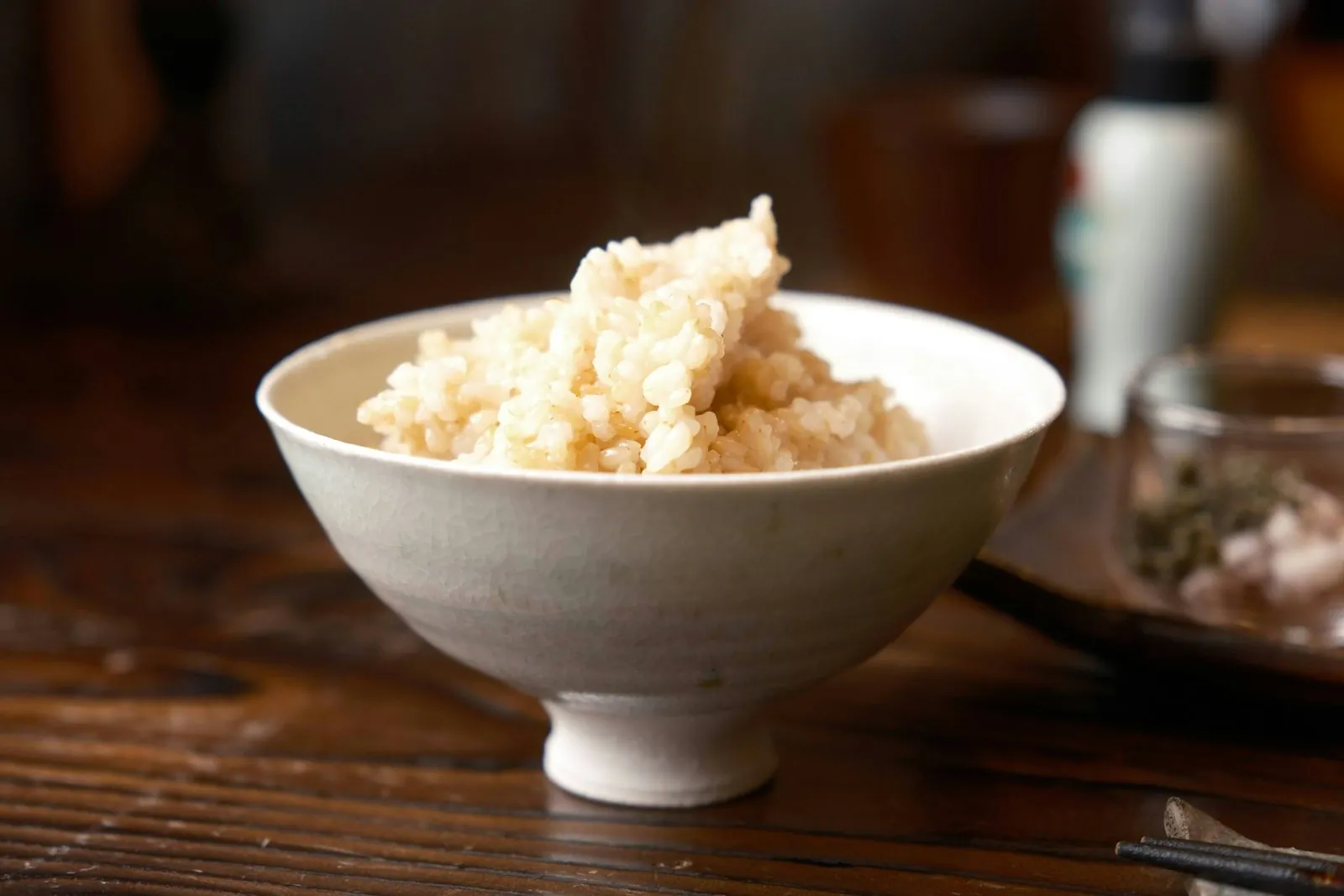
Thai food is not an obstacle to recovery, but some of it is harder work than you will want in the first days. Chilli, very hot soups and anything requiring wide jaw movement are worth postponing after facial surgery in particular.
What is easy to find, everywhere, is exactly what suits the first week: rice porridge, steamed rice with plain chicken or fish, clear soups, soft noodles, fresh fruit, coconut water and yoghurt. None of it is special hospital food. It is ordinary Thai breakfast food, sold on most streets.
Two things do matter. Drink far more water than usual, because heat and air conditioning both dry you out. And be careful with alcohol, which interacts with pain medication, worsens swelling and is best left alone until you are told otherwise.
If you have dietary restrictions or allergies, write them down in Thai before you travel. A written card is more reliable than a conversation across a language gap when you are tired.
Getting around after an operation
Bangkok traffic is the real reason to book accommodation close to the clinic. A journey that takes fifteen minutes at nine in the evening can take an hour at five in the afternoon, and sitting in a car for an hour is unpleasant when you are sore.
- Use a metered taxi or a ride-hailing app rather than a motorcycle taxi.
- Avoid tuk-tuks entirely while you are healing. They are open, bumpy and exposed to fumes.
- Travel outside the morning and evening peaks where you can choose.
- Have the clinic address saved in Thai on your phone.
- Do not plan more than one appointment or errand in a day at first.
Chiang Mai is a gentler city to recover in on this measure alone: journeys are shorter and the air is cooler for much of the year. Both are worth weighing when the choice between the two clinics is otherwise open.

What to leave out of the trip
The most common mistake is a sightseeing itinerary attached to the end of the recovery period. It looks efficient when planned from home and it rarely survives contact with how you actually feel.
Swimming pools, the sea, hot springs, massage, saunas, long walks in the sun and anything involving lifting all wait until you are cleared for them. So do temples that involve stairs, and day trips that put you hours away from the clinic.
Plan the trip as a recovery with a few easy pleasures in it, rather than as a holiday interrupted by an operation. Understanding recovery and follow-up care sets out what the stages generally involve.
Questions people ask
Can I go to the beach afterwards?
Not early on, and not without being cleared first. Sun, salt water, swimming pools and sand all carry risks for a healing incision, and the timing depends on your procedure.
Should I bring someone with me?
If you can, yes. The first two or three days are much easier with another person to carry things, fetch food and notice if something seems wrong. It is a practical help rather than a medical requirement.
What if something worries me at night?
Establish before your operation how to reach the practice outside clinic hours, and keep that number somewhere you can find it quickly. The clinic contact details are published for both locations.
Is street food safe while recovering?
Cooked-to-order food from a busy stall is generally fine. What is worth avoiding is anything raw, anything lukewarm and anything that has been standing out, since an upset stomach is genuinely miserable after abdominal surgery.
How long should I stay before flying home?
That is set by your procedure and by your surgeon, not by the price of the ticket. Agree it before you book, and treat any date you are given as a minimum rather than a target.
More of the practical groundwork, including what to bring, is covered in what to pack and arrange before surgery in Thailand, and the wider planning sequence is set out for international patients.
Medical information notice. This page is general information. It is not medical advice and does not replace consultation with a qualified medical professional. All surgery carries risk; suitability, recovery and results vary from person to person and are determined by individual medical assessment.