
Whether someone is a candidate for breast augmentation is a medical question, and it is answered by examination rather than by a checklist on a website. What a page like this can usefully do is tell you what the question is actually about, so you arrive at a consultation asking the right things.
The short version: your chest dimensions and the tissue you already have decide far more than any number you have in mind.
What actually decides it
Most people arrive with a cup letter in mind. Surgeons do not work in cup letters, because they are a garment convention rather than a measurement, and they differ between manufacturers and countries.
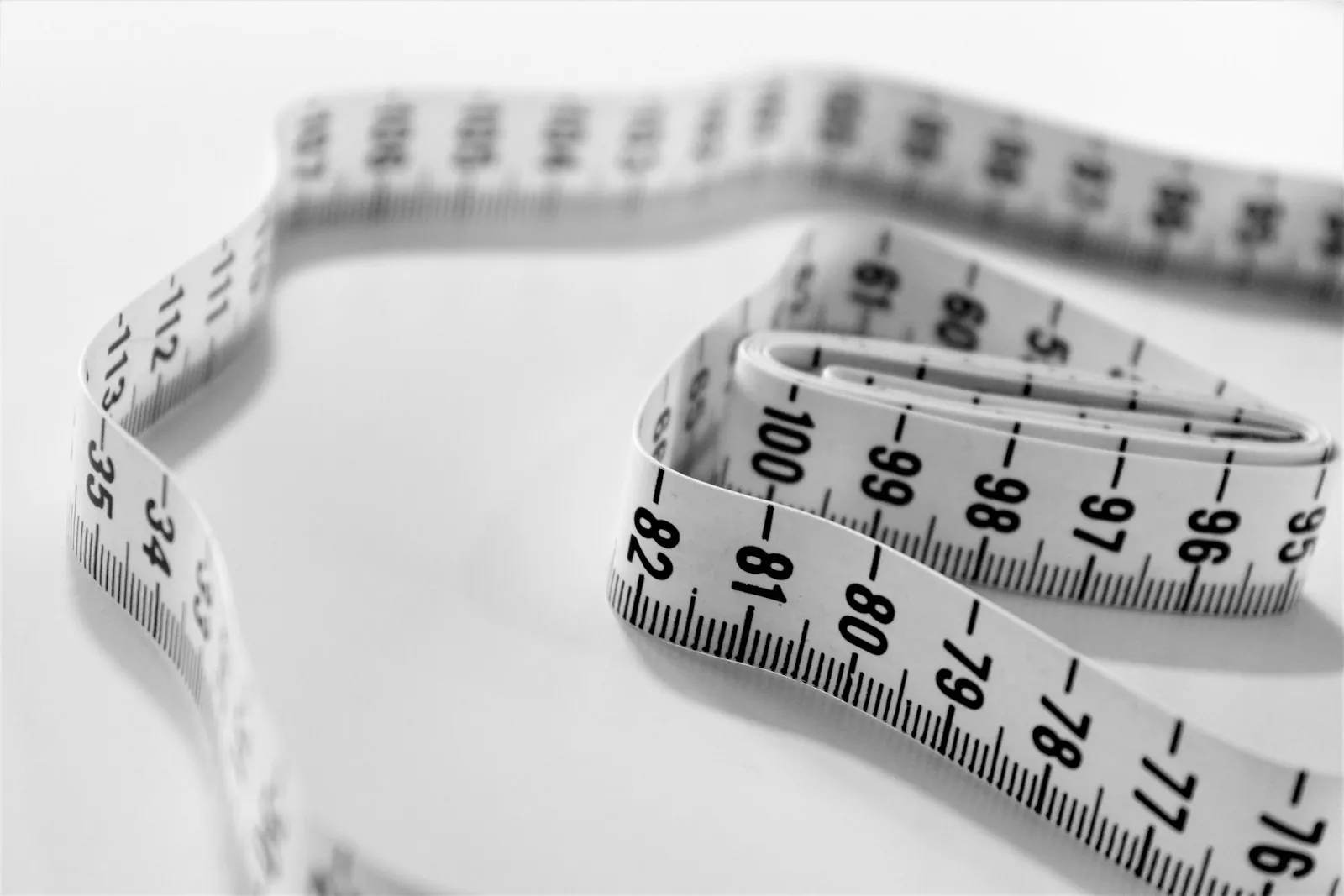
What is assessed instead is the width of your chest, the width and height of the breast itself, how much natural tissue covers the area, the quality and elasticity of the skin, where the fold beneath the breast sits, and how the two sides differ. Most people are noticeably asymmetric, and this is often the first time anyone has said so.
Out of that comes the range of implants that will actually suit your frame. An implant wider than your chest cannot sit correctly however much you want it, and thin tissue coverage makes an implant more visible at the edges.
This is why an honest surgeon sometimes talks you down rather than up, and why that is a good sign rather than a disappointing one.

The age rules you will read online are American
Search this question and you will quickly meet two numbers: 18 for saline implants and 22 for silicone. They appear on page after page as though they were universal.
They are United States Food and Drug Administration age thresholds for cosmetic use, and they apply to the American market. They are not Thai law, and they are not a clinical assessment of you.
What matters here is whether you are an adult who has been properly assessed, whether your body has finished changing, and whether the decision is settled rather than impulsive. A surgeon may well decline to operate on someone in their late teens for reasons that have nothing to do with a statutory number.
The American Society of Plastic Surgeons sets out its own view of who is considered a candidate for breast augmentation, which is worth reading alongside what you are told in person.

Timing: pregnancy, breastfeeding and weight
Timing rules out more people temporarily than anatomy rules out permanently.
Breasts change substantially during pregnancy and breastfeeding, and they take time to settle afterwards. Operating before that has happened means operating on a shape that is still moving, so surgeons generally ask for a period of stability once breastfeeding has finished. How long is a judgement for your surgeon rather than a fixed rule.
Weight works the same way. If you intend to lose a significant amount, doing it first is usually sensible, because breast volume changes with body weight and the implant chosen for one weight may not suit another.
Neither of these is a refusal. They are reasons to come back at a better moment, which is a different conversation entirely.

When it is not the right answer
Sometimes the operation is wrong for the person, and sometimes it is wrong for the problem. A surgeon who never says no is not being careful.
| Situation | Why it matters | Temporary or not |
|---|---|---|
| Pregnant or breastfeeding | The breast is still changing and will change again. | Temporary |
| Weight changing significantly | Breast volume moves with it, altering the result. | Temporary |
| An unexplained breast finding | It is investigated before any elective surgery. | Until resolved |
| Active infection anywhere | Placing a device during infection is a serious risk. | Temporary |
| Uncontrolled medical conditions | Raises anaesthetic and healing risk until managed. | Usually temporary |
| Continuing to smoke | Impairs wound healing around an implant. | Within your control |
| Expectations the operation cannot meet | A technically good result can still disappoint. | Needs discussion |
| Significant sagging rather than volume loss | Volume alone will not lift what has descended. | Different operation |
The last row is the most common misunderstanding of all. If your concern is that the breast sits lower than it did, an implant adds volume but does not lift, and the honest answer may be a different procedure or a combination. That is a conversation for an examination, not a website.

Being honest with yourself about why
Candidacy is not only anatomical. The people who are happiest afterwards tend to be the ones who wanted this for themselves, over a long period, and who could describe what was bothering them without reference to anyone else.
Elective surgery decided in the middle of a relationship ending, a job loss or a difficult year is worth postponing. Nothing is lost by waiting, and a decision that survives six months is a better decision.
It is also worth separating what you notice from what you imagine others notice. A surgeon can change proportions; they cannot change how you feel about being looked at, and it is fair to say so out loud at a consultation.
A good surgeon will explore this rather than skip it, and may suggest waiting. That is part of the assessment, not an obstacle to it.
What to bring to the assessment
Come with a description rather than a conclusion. “I have never filled clothes the way I would like and it has bothered me for years” gives a surgeon something to work with; a cup letter does not.
- Your full medical history, medication and supplements, in writing.
- Any family history of breast disease, and previous breast imaging.
- Whether you plan pregnancy or breastfeeding in future.
- What you do with your body — sport, lifting, physical work.
- Photographs of results you like, understood as direction rather than a target.
The practical groundwork is covered in how to prepare for breast augmentation, and what the recovery asks of you in breast augmentation recovery stage by stage. Both are worth reading before you decide, not after.
Questions people ask
Will I still be able to breastfeed?
Many people do, and the incision used and the placement both bear on it. Say clearly at the consultation if you plan to breastfeed in future, because it may influence the approach chosen.
Is there a weight I need to be?
There is no single figure. What surgeons look for is stability rather than a number, plus general health good enough for an anaesthetic. Both are assessed rather than assumed.
Can I choose the size I want?
You choose within what your anatomy allows. A surgeon who fits any implant a patient asks for is not exercising judgement, and choosing a surgeon for breast augmentation in Thailand covers why that willingness to push back matters.
How do I find out where I stand?
Be examined. Much can be discussed beforehand, as remote consultations before travelling for surgery explains, but sizing and placement need hands and measurements. The clinic contact details cover both locations.
Medical information notice. This page is general information. It is not medical advice and does not replace consultation with a qualified medical professional. All surgery carries risk; suitability, recovery and results vary from person to person and are determined by individual medical assessment.