
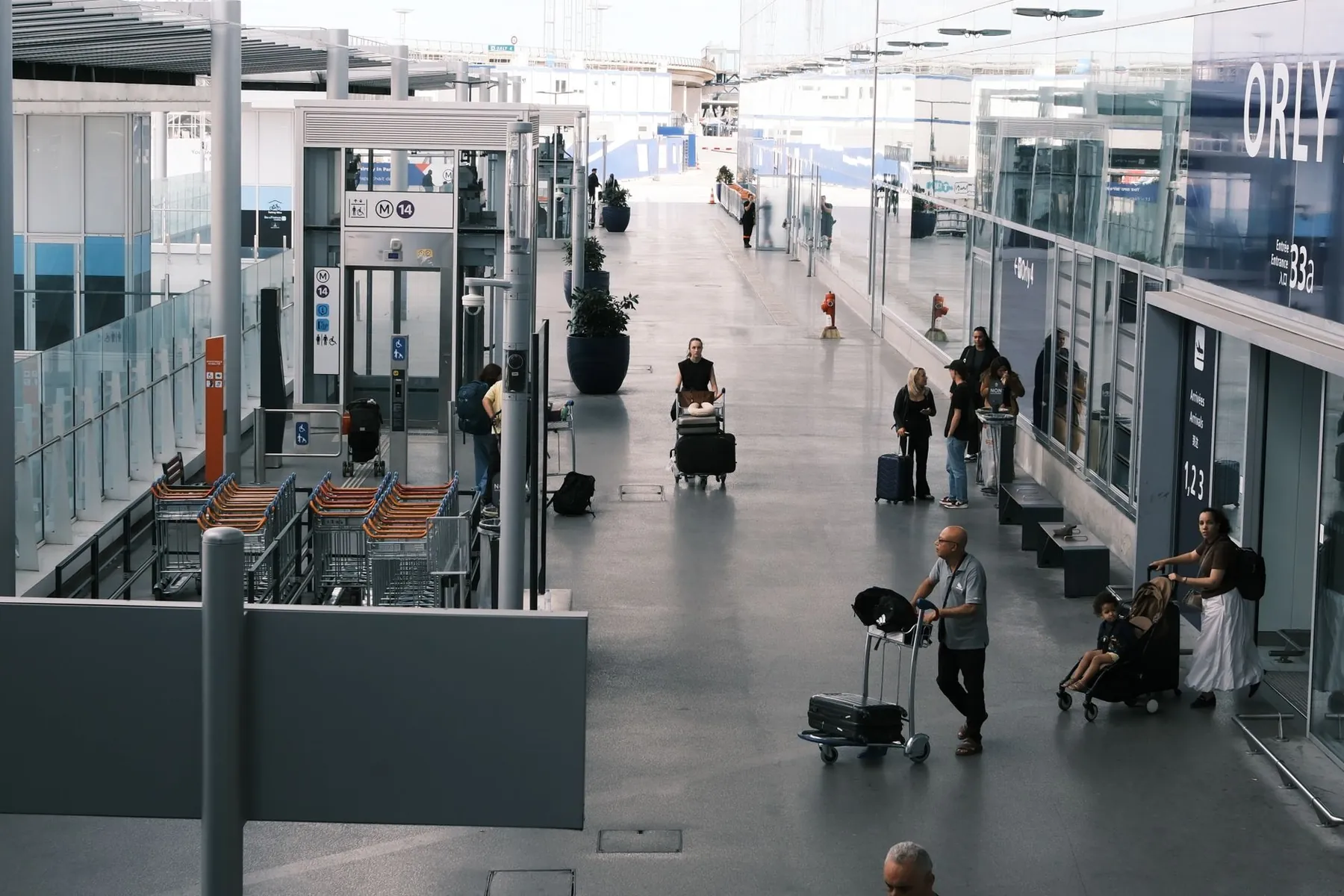
There is a specific moment that catches people out on the journey home from this operation, and it happens at the check-in desk.
You will have been told not to lift anything or reach upward for weeks. A suitcase onto a belt and a bag into an overhead locker are both exactly that, and neither is optional once you are standing there alone.
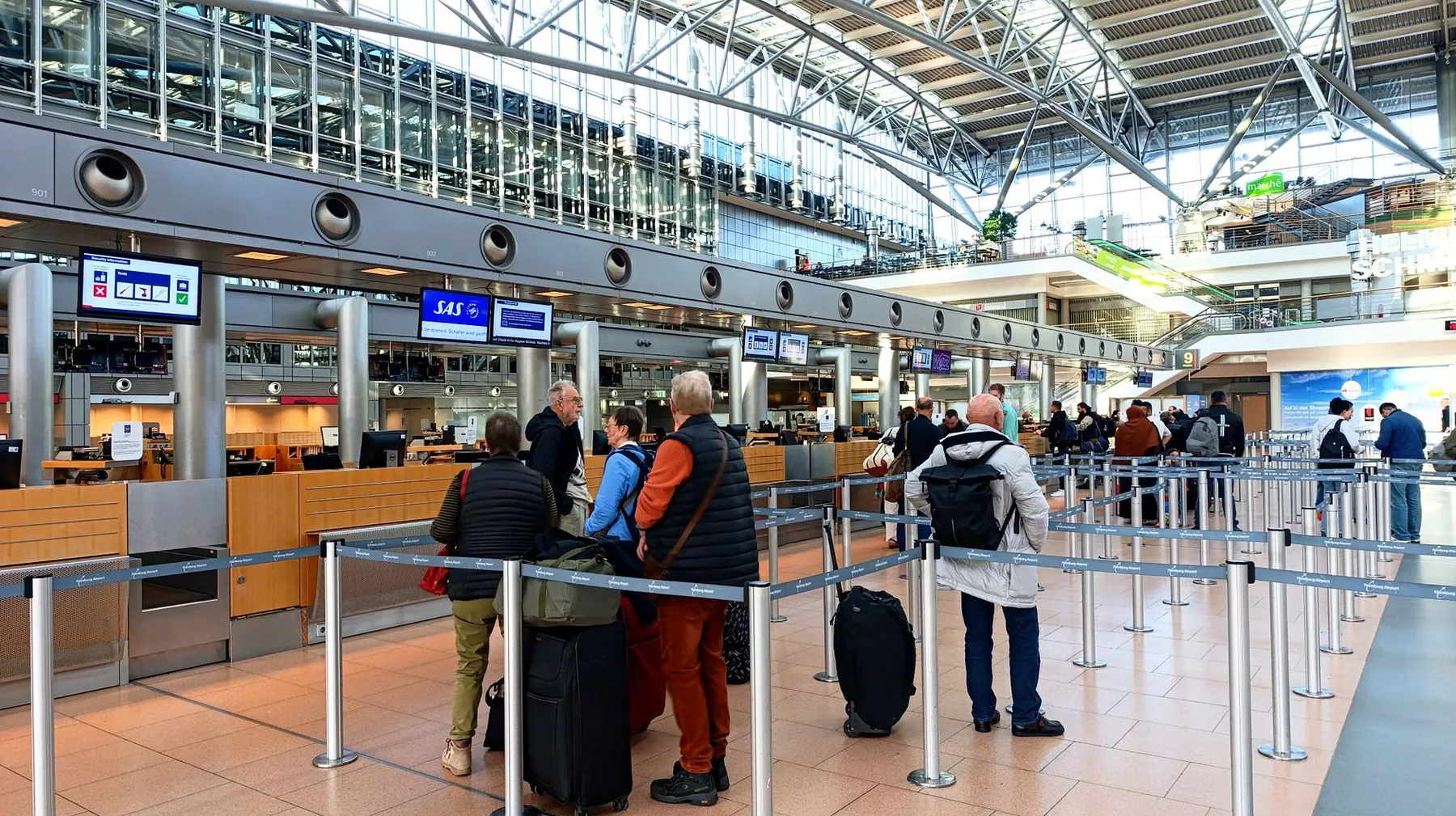
Plan the luggage before the flight
This is the most practical thing on this page and the thing least often mentioned elsewhere.
Travel with luggage you can wheel rather than carry, keep the cabin bag light enough that a member of staff can lift it easily, and be prepared to ask.
Airlines offer assistance to passengers who need it, and requesting it in advance is ordinary rather than an imposition. It costs nothing and removes the one situation where people injure themselves.
If you are travelling alone, say so at the clinic. It changes what they will advise about timing.
Clots are the real clinical concern
Unlike eyelid or nose surgery, this is a longer operation under general anaesthetic, and that changes which risk matters on a flight.
Surgery raises the risk of venous clots, and so does sitting still for many hours. A long-haul flight soon after an operation combines both.
World Thrombosis Day publishes public information on blood clots, their risk factors and warning signs, which is worth reading before you travel rather than after.
Ask specifically whether compression stockings are advised for your flight length and your own risk factors, and follow the answer rather than assuming it applies only to bigger operations.

What the journey actually involves
| Factor | Why it matters here | What to do about it |
|---|---|---|
| Lifting luggage | Directly against your restrictions | Request assistance in advance |
| Hours sitting still | Clot risk, raised by recent surgery | Walk, move ankles, ask about stockings |
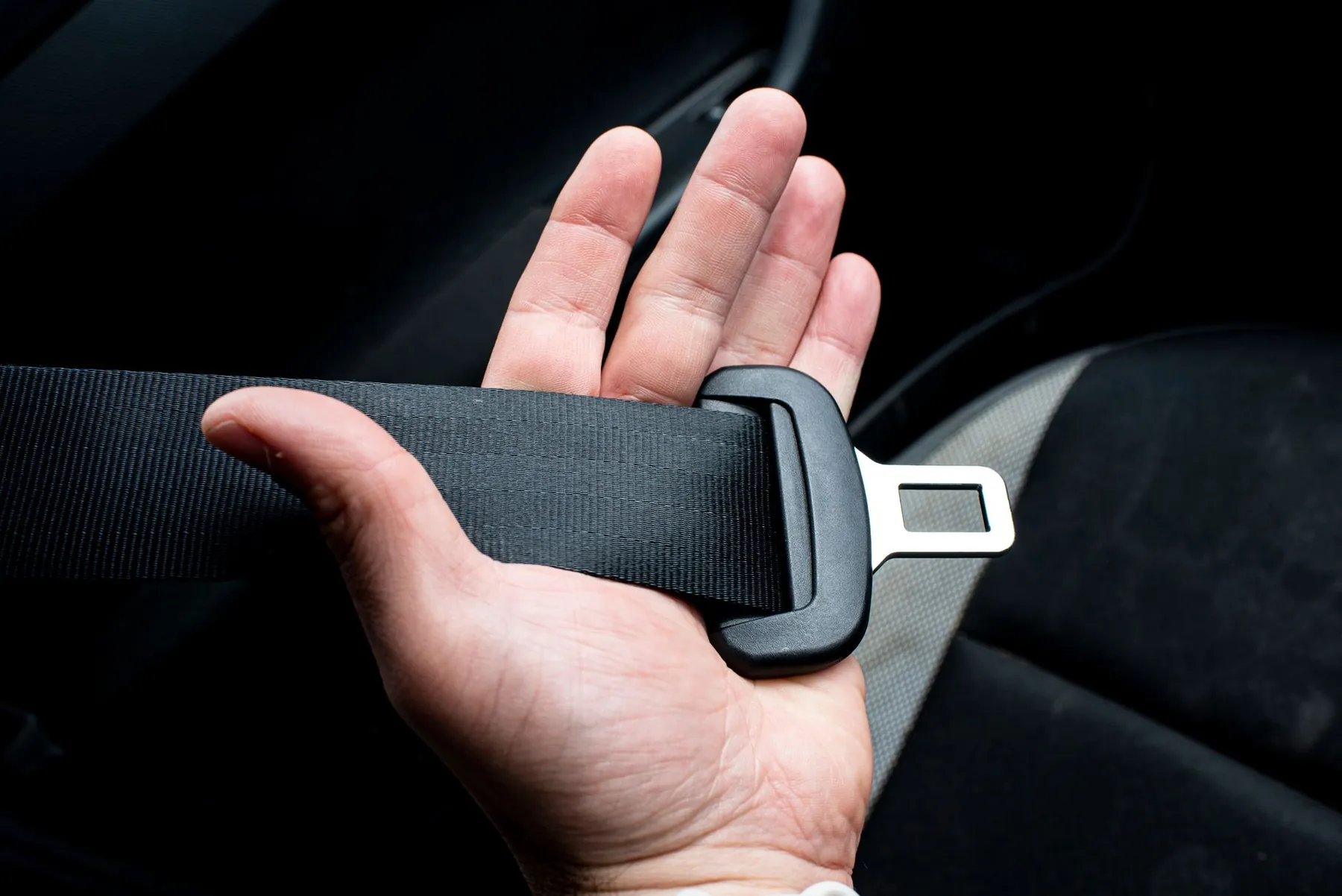
| Seatbelt across the chest | Pressure on a healing area | Pad it; ask for an extender if needed |
| The support garment | Worn throughout, including in transit | Wear it; pack a spare in the cabin |
| Reaching overhead | The single most restricted movement | Nothing you need goes in the locker |
| Dry cabin air | Uncomfortable rather than harmful | Drink water; skip the alcohol |
Row five is worth taking literally. Keep medication, documents and anything you might want in the seat pocket, not above your head.
When you may fly is a clinical decision
There is no universal number of days, and a page that offers one is guessing about your operation.
What actually sets the date is your review appointment: wounds checked, drains out if any were used, and confirmation that healing is proceeding normally.
Ask for the earliest sensible date at the consultation rather than after surgery, and build the trip around it with days to spare.
Give the practice your actual itinerary, including connections, since two flights and a layover is not the same journey as one direct leg of similar length.
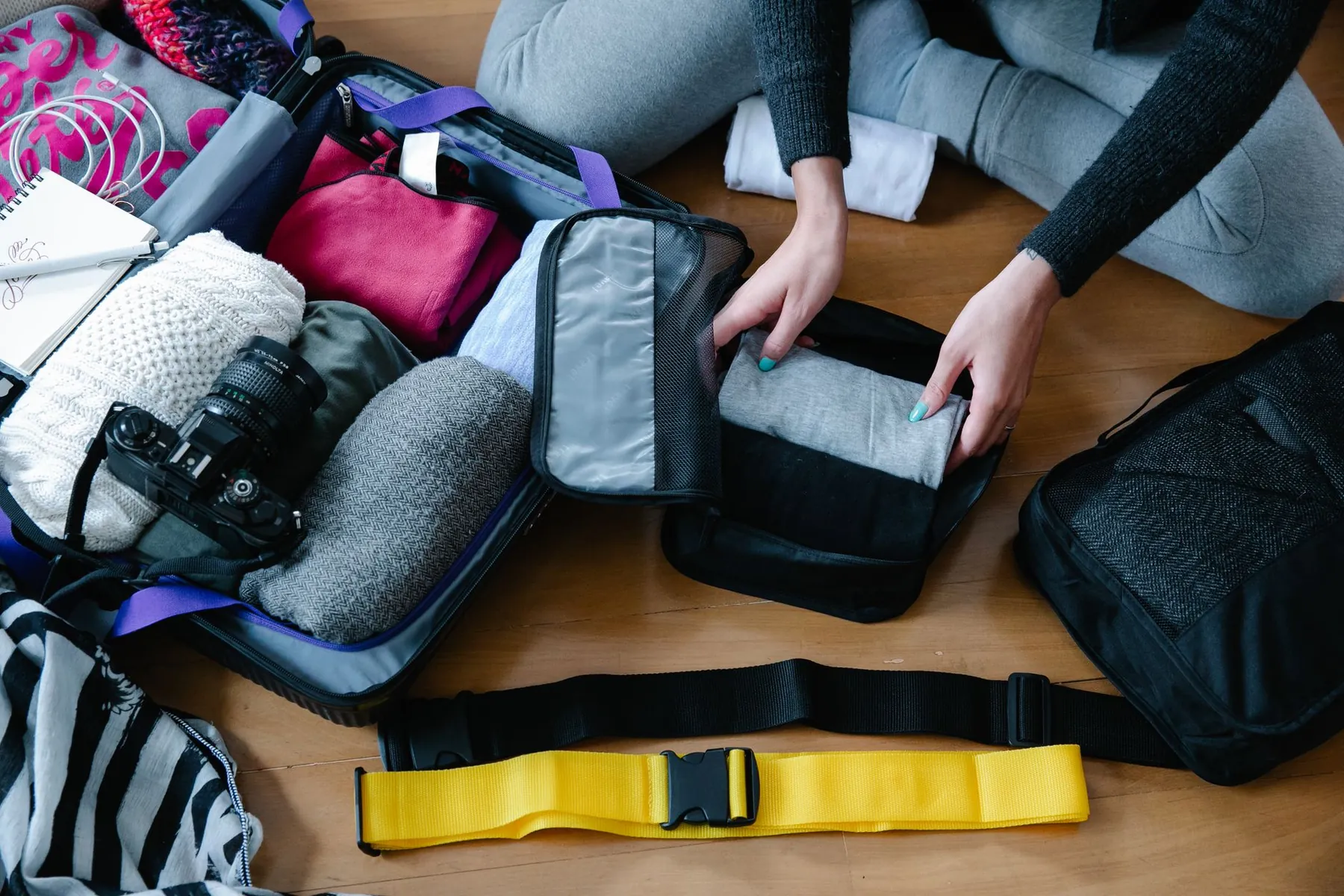
What to have in the cabin
- Your medication, in the original packaging, in the seat pocket.
- A spare support garment, since a checked bag can go missing.
- A soft scarf or small cushion, to pad the seatbelt.
- Your operation details in writing, not in a checked suitcase.
- Water, and more than you think.
- Compression stockings, if you were advised to wear them.
The seatbelt point sounds minor until the belt sits directly across a healing chest for eleven hours. A folded scarf solves it entirely.
Getting through the airport
Airports involve more walking, standing and lifting than people remember, and all three are harder in the first fortnight.
Allow considerably more time than usual, and use a trolley from the moment you arrive rather than carrying anything between desks.
Security may involve a pat-down. You may tell staff you have had recent chest surgery and request that it be done considerately, or in private.
A short written note from the practice confirming recent surgery is easy to obtain and occasionally useful. Ask for it before you leave the clinic rather than trying to obtain one by email from an airport.
Book the seat, then the fare type
Two booking decisions matter more than anything else about the flight, and both are made weeks before you fly.
Choose an aisle seat so that standing and walking do not require negotiating past two other passengers every time.
Choose a fare you can change, even where it costs more. Being told to stay a few days longer is a normal instruction rather than a rare one, and a fixed ticket turns it into a financial decision at exactly the moment you should not be making one.
If you are connecting, allow a generous layover. A tight transfer means walking fast through a terminal with a bag, which is the situation this whole page is trying to avoid.
When not to get on the plane
A short list, worth knowing before you are standing in a departure hall making the decision alone.
A fever, spreading redness, discharge from a wound, a wound that has opened, or pain that is increasing rather than easing all mean being seen before travelling.
So does calf pain or swelling, chest pain, or breathlessness, which need urgent assessment rather than a boarding pass.
A changeable ticket turns all of that into an inconvenience rather than a decision made against your own interests, as how to prepare for a breast lift or reduction sets out.
After you land
- Arrange to be collected, rather than managing bags and transport alone.
- Expect to feel worse for a day or two, as swelling responds to the journey.
- Keep the garment on, on the schedule you were given.
- Tell the practice you arrived, which takes a minute and keeps the thread open.
- Register with a doctor locally if you have not already.
Point two is normal and alarms people who were not warned. Travel is physically demanding and swelling reflects that, as breast lift and reduction recovery stage by stage describes.
Questions people ask
Can I wear an ordinary bra to fly home?
Wear whatever your surgeon specified, which is usually the support garment rather than an ordinary bra. Underwired bras are generally kept away until the fold beneath the breast has healed.
Will the cabin pressure affect anything?
Pressure is not the concern here. Sitting still, lifting luggage and the seatbelt across the chest are the practical issues, and all three can be planned for.
Should I book an upgraded seat?
An aisle seat matters more than a better cabin, since standing and walking without negotiating past other passengers is what you actually need.
Who confirms I am fit to travel?
The practice that operated, at your review appointment, reached through the clinic contact details.
Medical information notice. This page is general information. It is not medical advice and does not replace consultation with a qualified medical professional. All surgery carries risk; suitability, recovery and results vary from person to person and are determined by individual medical assessment.