

Preparing for a facelift is mostly unglamorous work done in the weeks beforehand, and it has more influence on how the recovery feels than anything you can do afterwards. Almost none of it is difficult. It is simply easy to leave too late.
This page describes what preparation generally involves and what to settle before the date is fixed. The specific instructions you are given by your own surgeon always take precedence over anything here.

Start with the assessment, not the date
Preparation begins at the consultation, because that is where it is decided whether the operation is appropriate for you at all. A date agreed before that assessment is a date built on an assumption.
Bring your full medical history, your medication list including supplements, and an honest account of previous surgery and anaesthetics. Anything you leave out because it seems irrelevant is exactly the sort of detail that turns out not to be.
Bring your questions in writing too. Questions worth asking a plastic surgeon is a reasonable starting list, and the facelift procedure page sets out what the operation involves.
Tests and medical clearance
Some tests are ordinary before an operation under general anaesthetic. Which ones you need depends on your age, your health and the procedure, rather than on a fixed list applied to everybody.
The National Institute for Health and Care Excellence publishes guidance on routine preoperative testing for elective surgery that explains why testing is targeted rather than universal. It is a useful corrective if you expected either a battery of tests or none at all.
If you have a chronic condition, are taking regular medication, or have had a general anaesthetic go badly before, say so early. These are the things that change the plan, and they are far easier to work around with notice than with a week to go.
What is usually discussed in the weeks before
The following come up in almost every pre-operative conversation. None of them is a rule you should apply yourself: the point of the table is to tell you what to ask about, and who decides.
| Topic | Why it matters | Who decides |
|---|---|---|
| Blood-thinning medication | Affects bleeding and bruising during and after surgery. | Your surgeon, with the doctor who prescribed it |
| Supplements and herbal remedies | Several affect clotting; patients rarely think to mention them. | Your surgeon |
| Smoking and nicotine | Directly impairs healing of the skin in a facelift. | Your surgeon; stopping is always advised |
| Alcohol | Worsens swelling and interacts with pain medication. | Your surgeon |
| Hair colouring | Incisions sit within the hairline; timing matters. | Your surgeon |
| Existing skin treatments | Some are paused around surgery, some are not. | Your surgeon |
Never stop prescribed medication on your own initiative because of something you have read. Ask, and let the two doctors involved agree it between them.
Smoking, in particular
A facelift lifts and repositions skin, and that skin depends on its blood supply to survive in its new position. Nicotine constricts exactly those small vessels.
This is why surgeons treat smoking as a more serious issue before a facelift than before many other operations, and why some will decline to operate until it stops. Vaping and nicotine replacement carry the same concern, since it is the nicotine rather than the smoke that does this part of the damage.
If you smoke, raise it at the first consultation rather than the last. The lead time you are given is not arbitrary.

Arranging the practical side
The week after surgery is not the week to discover that nobody can collect you, or that your only shirt goes over your head.
- Someone to accompany you and stay for the first days, if at all possible.
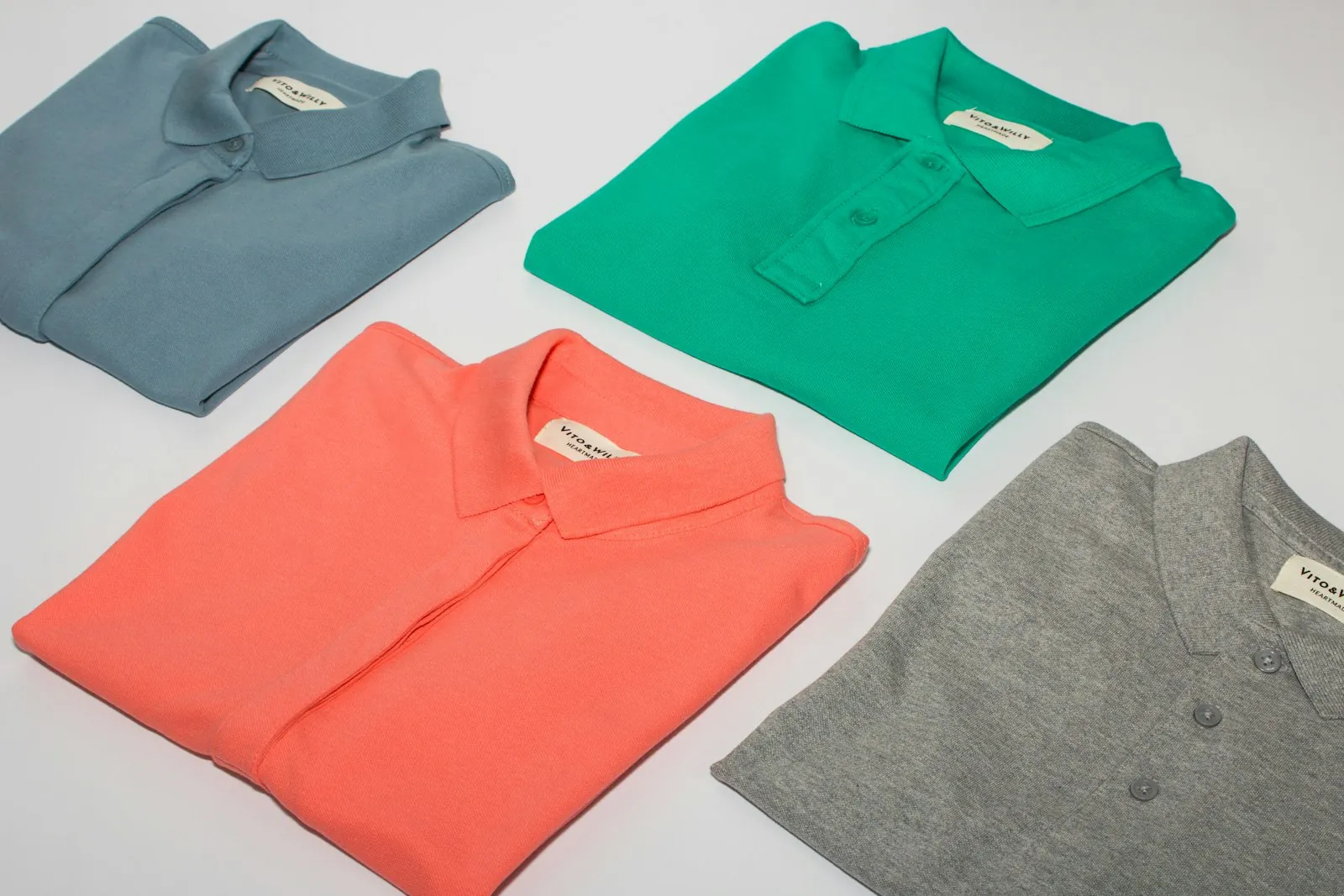
- Clothing that buttons or zips at the front, so nothing passes over your face.
- Extra pillows, or an arrangement that lets you sleep propped up.
- Soft food and plenty of water, bought before rather than after.
- Time off work that assumes recovery takes longer than you hope.
- A written note of how to reach the clinic outside normal hours.
If you are travelling for the operation, the same list applies with accommodation and flights on top of it. What to pack and arrange before surgery in Thailand covers that side, and what each stage of facelift recovery involves explains how long you should expect to need.
Preparing for how it will look, not only how it will feel
The part of preparation people skip is the mental one, and it is the part that determines whether the first fortnight is bearable or distressing.
A face immediately after a facelift is swollen, bruised and tight, and it does not resemble the result. Knowing that in advance is different from being told it once at a consultation and forgetting.
Ask your surgeon what is expected at day three, at day ten and at week six, so you have markers to measure against rather than a vague sense of how things ought to be going. Ask too what would count as a reason to make contact early.
It also helps to decide in advance who you are going to tell, and what you will say. That is a personal choice rather than a medical one, but making it before surgery is easier than improvising afterwards.
The last few days
By this point the preparation should be finished and the remaining job is to arrive rested. Sleep matters more than any last-minute regimen, and there is nothing useful left to add in the final week.
You will be given fasting instructions for the anaesthetic, and they are exact rather than approximate. Follow them precisely, including for water, unless you are told otherwise.
On the day, leave jewellery, contact lenses, make-up and nail varnish behind, and wear something loose that fastens at the front. Bring your medication list and your identification, and expect to go over the consent discussion again.
If you develop a cold, a chest infection or any fever in the days before, tell the clinic rather than pressing on. Postponing is a nuisance; operating with an active infection is a different order of problem.
Questions people ask
How far in advance should preparation start?
Several weeks, mainly because anything involving medication, smoking or medical clearance needs that long. The practical arrangements can be made later, but they are easier done early, and if you are travelling they have to be settled before flights are booked.
Should I lose weight first?
If you intend to lose a significant amount, doing it before rather than after is usually sensible, since weight change alters the face. Whether it applies to you is a question for your consultation.
Can I colour my hair beforehand?
Ask, because incisions are placed within the hairline and there is usually a window on either side of surgery when colouring is discouraged. Doing it before is generally simpler than waiting.
How do I check who is operating?
Ask for the name and registration, then verify it independently. Dr Witoon’s registrations and licence number are published for that purpose, and the clinic contact details cover both locations.
Medical information notice. This page is general information. It is not medical advice and does not replace consultation with a qualified medical professional. All surgery carries risk; suitability, recovery and results vary from person to person and are determined by individual medical assessment.