
You will be examined standing up, and that is the first thing that surprises people about this appointment.
Everything that matters here — where the nipple sits, how far it has to travel, how much skin is genuinely surplus — is only true under gravity. A breast lying down tells the surgeon almost nothing.

The measurements that decide everything
A handful of numbers are taken, and between them they determine the operation you are offered.
| What is measured | Why it is taken | What it changes |
|---|---|---|
| Collarbone to nipple | Establishes how far the nipple has descended | How far it must be moved |
| Nipple to the fold beneath | Shows how much breast hangs below the crease | How much skin comes out |
| Skin elasticity, by pinch | Tests whether skin will hold a new shape | Whether tightening alone will last |
| Areola diameter | Shows whether it has stretched with the breast | Whether it is resized |
| Left compared with right | Documents existing asymmetry | Expectations, and the plan for each side |
| Shoulder grooving and skin in the fold | Records physical symptoms | Whether weight is the problem |
Row five deserves attention. Almost everyone is asymmetric already, and the appointment is where that gets documented rather than discovered afterwards.

What you will be asked
The history matters more here than in most cosmetic consultations, because breast tissue has a medical dimension that a nose or an eyelid does not.
- Your symptoms, and what you have already tried for them.
- Whether your weight is stable, and whether you intend it to change.
- Pregnancies, breastfeeding, and whether more are planned.
- Family history of breast cancer, and any lump you have noticed.
- When you were last screened, and by what method.
- Smoking, medication, and anything affecting healing or clotting.
Answer the smoking question honestly rather than diplomatically. Blood supply to the nipple is the single most technique-dependent part of this operation, and the surgeon is asking for a reason.
Imaging may be requested before anything is booked
This is the step that most surprises patients who came expecting a purely cosmetic conversation.
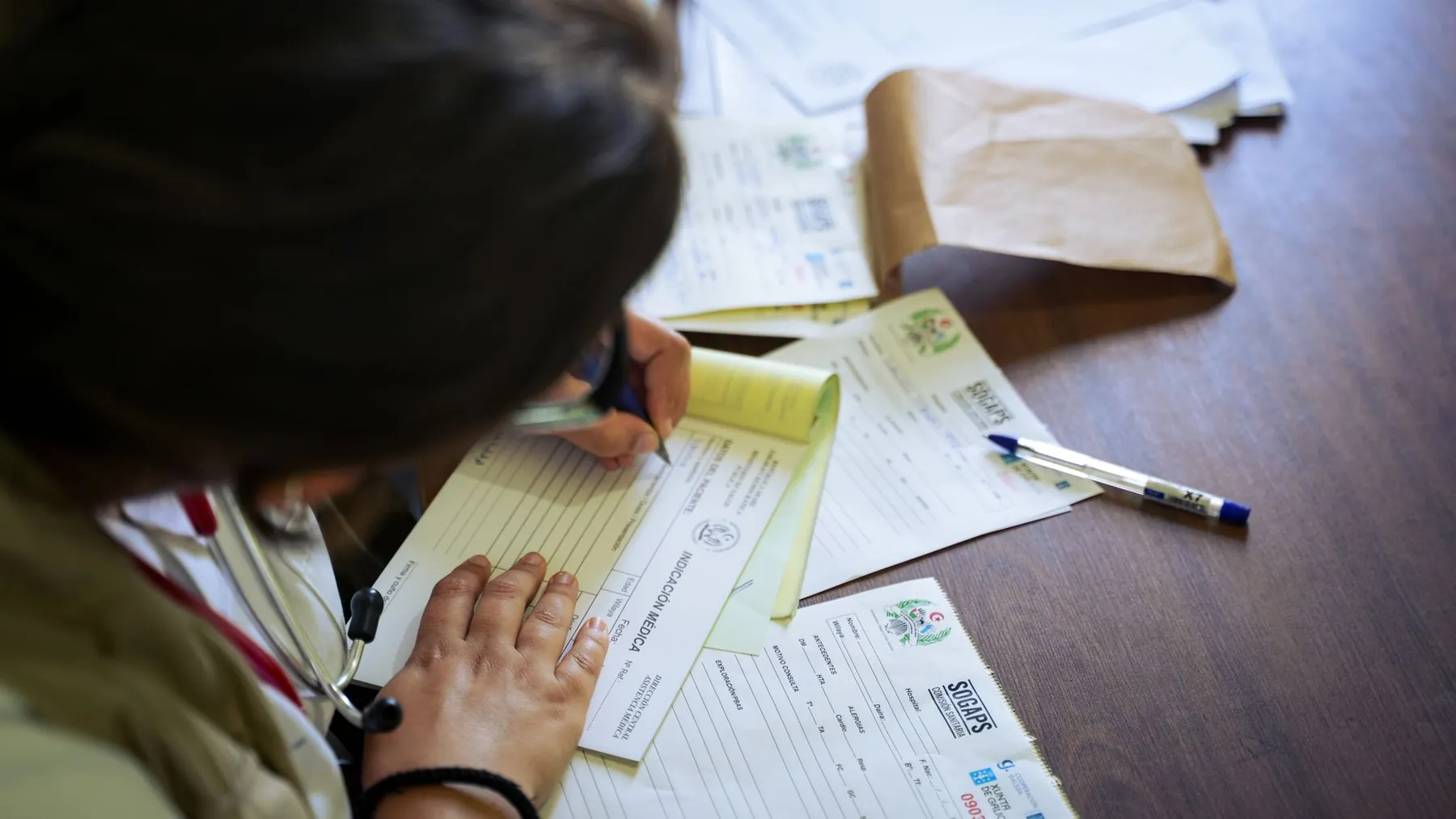
Depending on your age, history and what is found on examination, a mammogram or ultrasound may be asked for before surgery is planned.
It is not a suspicion of anything. It establishes a baseline, because the operation removes and rearranges the tissue that imaging looks at.
Raise this early if you are travelling, since arranging imaging at home before you fly is far simpler than arranging it in a country you have just arrived in.
Talking about size without using letters
Patients arrive with a target cup size and surgeons rarely accept one, which can feel evasive if the reason is not explained.
Sizing is not standardised between manufacturers or countries, so a letter does not describe a volume that a surgeon can aim for.
More usefully, describe the outcome you want in practical terms: running comfortably, sleeping on your front, buying clothes that fit both halves of you, or simply not being looked at.
Expect a range rather than a number, since how much comes out is judged as the shape emerges. The difference between the two complaints, and which operation each points to, is set out in who is a candidate for a breast lift or reduction.

Questions worth asking
- Which incision pattern will I have, and what decided it?
- Will tissue be removed, or only rearranged?
- Is the tissue sent for examination, and how would I hear the result?
- What happens to sensation and to breastfeeding with the technique you are planning?
- Where does the operation take place, and do I stay overnight?
- What would make you decline to operate on me?
The third is specific to breast surgery and almost never asked. It matters a great deal if you will be in another country when the report is ready.
Consent is a conversation, not a signature
A proper consent discussion covers what is planned, what the alternatives are, what could go wrong, and what happens if it does.
For this operation that should include scars, changed sensation, effects on breastfeeding, asymmetry, wound healing at the junction of the scars, and the uncommon but serious risk to the blood supply of the nipple.
The Academy of Medical Royal Colleges publishes work on shared decision making between clinicians and patients, which is a good description of what a consultation should feel like.
If you leave having heard only benefits, the conversation was incomplete.
Why there are no photographs to look at
Patients often expect a gallery of results at this point and are unsettled when there is not one.
Thai Medical Council regulations do not permit clinics to advertise before-and-after photographs, so a compliant practice has none to show.
What replaces it is the examination itself, and a surgeon willing to describe the limits of your own anatomy as readily as the possibilities.
Photographs of you are a different matter, and clinical photographs are usually taken for the record. Ask how they are stored and who can see them.
What to bring
Nothing on this list is essential, and all of it makes the appointment more useful.
Bring a list of your medications including anything bought without a prescription, and the dates and method of your last breast screening.
Bring a well-fitting bra to be seen in, and one that no longer fits, since the gap between them is often the clearest statement of the problem.
Bring your questions written down. Nobody remembers them in the room, and this is not an appointment to leave with anything unsaid.
Doing this from another country
Much of the appointment can be done before you arrive, and some of it cannot.
History, medications, screening dates and your goals can all be settled in advance, which leaves the in-person time for what actually needs hands and a standing patient.
The measurements and the skin assessment cannot be done remotely, and neither can the marking on the day, as what happens during a breast lift or reduction explains.
How much can be arranged beforehand is covered in remote consultations before travelling for surgery.
Questions people ask
Will I have to undress in front of several people?
An examination is necessary and a chaperone is normal practice. You may ask who will be present and request a chaperone if one is not offered.
Can I decide on the day of the consultation?
You can, and there is rarely a reason to. Time to consider what you were told is part of a proper consent process rather than a delay in it.
What if I am told I need to lose weight first?
It is a comment about the durability of the result rather than a judgement. Skin that is currently filled will empty if volume is lost afterwards, which changes the shape you were given.
How do I arrange an appointment?
Both locations are listed in the clinic contact details, and what the weeks afterwards involve is set out in breast lift and reduction recovery stage by stage.
Medical information notice. This page is general information. It is not medical advice and does not replace consultation with a qualified medical professional. All surgery carries risk; suitability, recovery and results vary from person to person and are determined by individual medical assessment.