

There is no non-surgical way to lift a breast. Nothing applied to skin from the outside moves a nipple upward or removes surplus skin.
That said, a great many people searching for alternatives are looking for relief from symptoms rather than for a different shape, and for them the honest list is longer than the marketing suggests.

Separate the two complaints first
Everything on this page depends on which of two things brought you here, and they lead in opposite directions.
If the problem is position — the breast sits lower than it did, the shape has changed — then surgery is the only thing that moves it, and the alternatives are all ways of living with it.
If the problem is weight — pain, grooving, rashes, restricted activity — then several non-surgical things genuinely reduce symptoms, and some of them are worth trying first regardless.
Which of those applies to you is the first thing an assessment sorts out, as who is a candidate for a breast lift or reduction explains.
What each option actually does
| Option | Helps with | Does not do | How long it lasts |
|---|---|---|---|
| A properly fitted bra | Pain, grooving, how clothes sit | Change the breast itself | While worn; refitting needed |
| Weight loss | Overall volume, in some people | Target the breast, or tighten skin | While maintained |
| Posture and strengthening work | Neck and upper back pain | Reduce the load itself | While continued |
| Treating skin in the fold | Rashes and irritation | Stop them recurring | While treated |
| Liposuction alone, in selected cases | Volume where the breast is mostly fatty | Lift the nipple or remove skin | Lasting, within its limits |
| Doing nothing | Avoids surgical risk entirely | Change anything | Reversible at any point |
Row one does more work than people expect and is the cheapest thing on the list. Row five is real but narrow, and it is a finding from examination rather than a request.
Being properly measured is not a brush-off
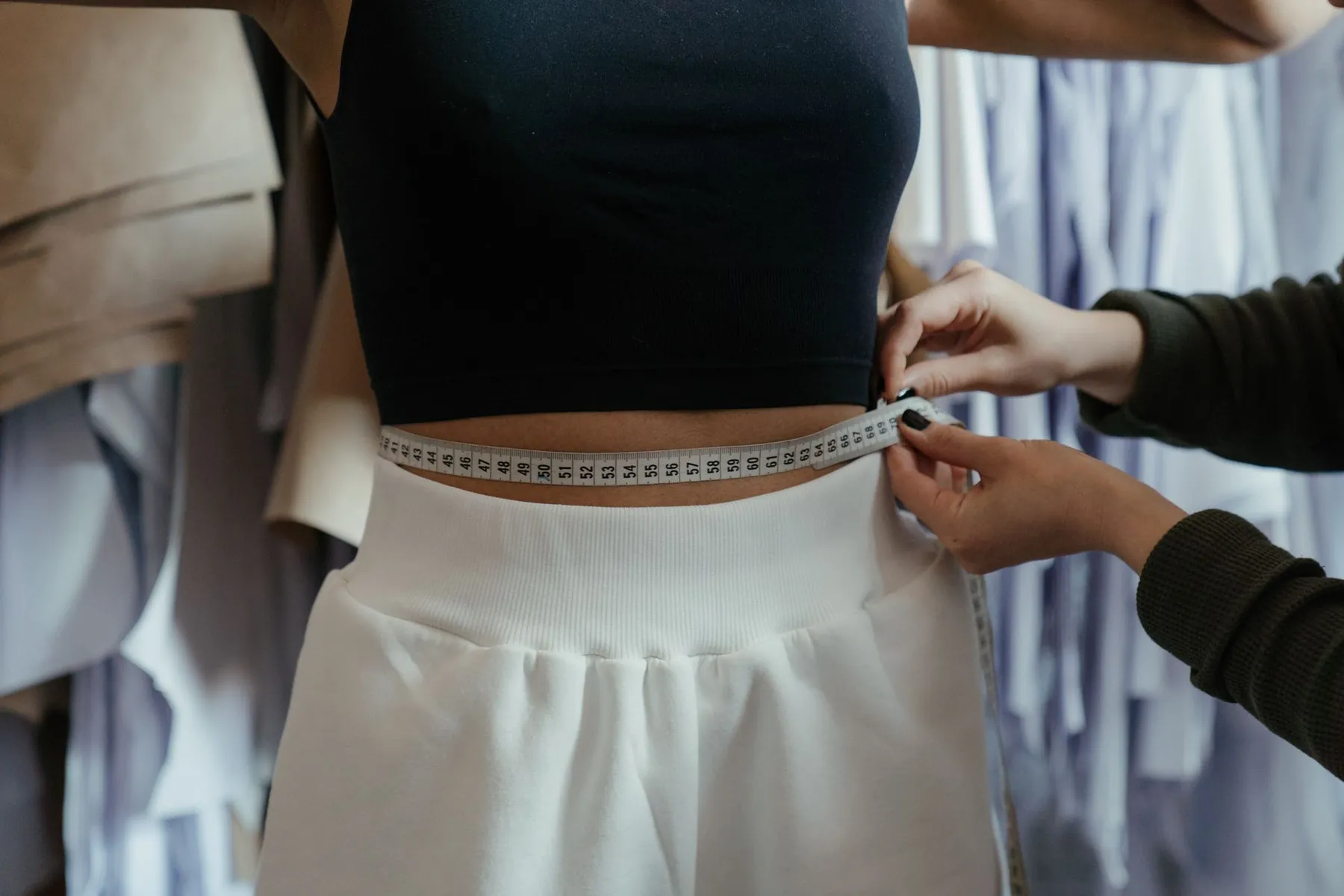
A surgeon who asks whether you have been professionally fitted is not stalling, and a great many women have never been measured by anyone.
A band that is too loose transfers the entire load to the shoulder straps, which is what cuts grooves into them. A correctly fitting band carries most of the weight around the chest instead.
That single change relieves shoulder and neck symptoms for some people entirely, and for others not at all. Both outcomes are useful information to bring to a consultation.
If it has not helped after a genuine attempt, say so. Knowing that support did not work is far more persuasive than describing how much it hurts.

Weight loss is unpredictable here
This is offered as advice constantly and delivered far less reliably than the advice implies.
Breasts contain both fatty and glandular tissue in proportions that vary between people. Someone whose breasts are largely fatty may see a considerable change with weight loss; someone whose breasts are largely glandular may see almost none.
Nobody can direct where weight is lost from, so the outcome cannot be predicted in advance for any individual.
The British Dietetic Association publishes evidence-based food and nutrition information for the public, which is a sounder starting point than most of what circulates on this subject.
Where physiotherapy helps and where it does not
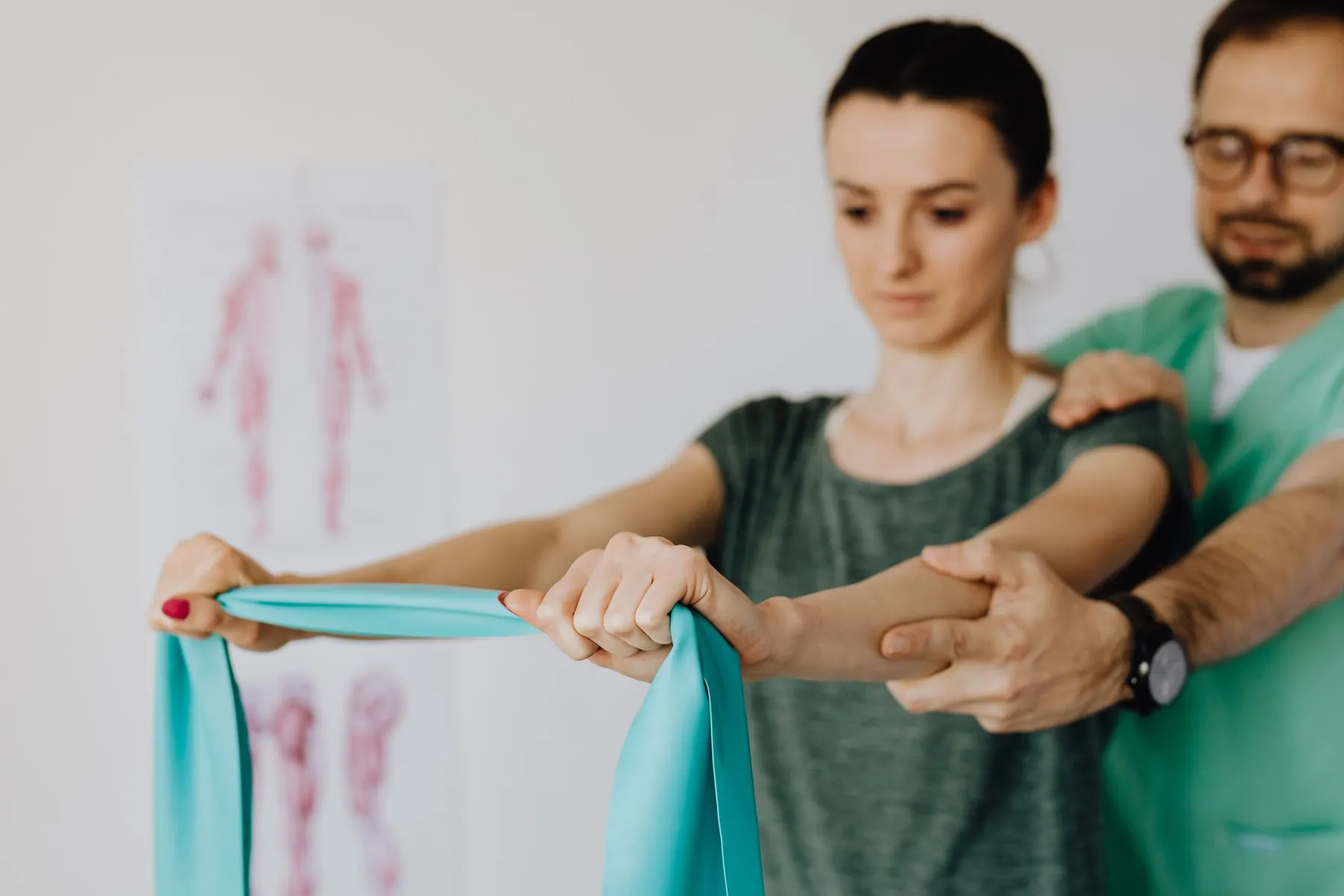
Strengthening the upper back and improving posture genuinely reduces pain for some people, and it is worth a proper attempt.
What it cannot do is reduce the load. If the weight itself is the cause, exercise makes you better at carrying it rather than removing the reason you are carrying it.
That distinction matters because a patient who has done months of physiotherapy without relief has learnt something specific about their own case.
Keep a note of what you tried and for how long. It is the most useful thing you can take to an assessment.
Things sold as alternatives that are not
Worth stating plainly, because this area attracts a particular kind of marketing.
- Creams and serums do not tighten the skin envelope of a breast.
- Chest exercises strengthen the muscle behind the breast, not the breast.
- Massage and devices do not move a nipple upward.
- Supplements do not reduce glandular tissue.
- Skin-tightening treatments are not designed for this degree of surplus skin.
Anything promising a lift without surgery is describing an effect that requires removing skin, which is a surgical act by definition.
None of this means those products are harmful, and a good moisturiser is a perfectly reasonable thing to own. It means the claim being made about them is not one they can meet, and money spent on that claim is money not spent on a consultation that would tell you where you actually stand.
Waiting is a legitimate choice
Deferring this operation is treated as indecision and is often the better decision.
If you intend to lose a significant amount of weight, or to have children, both will change breast volume and can undo a reshaping. Waiting protects the result rather than delaying it.
Set against that, some people decide the years of comfort in between are worth having and accept that a second operation may follow. That is a reasonable position too.
Neither is a rule. Both are reasons to be honest at the consultation about what your next few years are likely to contain.
How to work through the options
- Write the complaint in one sentence, before reading anything else.
- Decide whether it is position or weight, since only one has alternatives.
- Get properly measured, and give it a real trial.
- Record what you tried and what changed, with dates.
- Get assessed, whichever way you are leaning.
Step four is the one that changes consultations. A documented history of what has not worked is worth more than any description of severity.
Questions people ask
Can liposuction alone reduce breast size?
In selected cases where the breast is largely fatty and the skin has good elasticity, it is sometimes discussed. It removes volume without lifting the nipple or removing skin, so it suits a narrow group and is a finding from examination.
Will my breasts lift if I lose weight?
Usually the opposite. Losing volume from a stretched skin envelope tends to make a breast emptier rather than higher, which is why weight loss sometimes prompts a lift rather than preventing one.
Is an implant an alternative to a lift?
They solve different problems. An implant adds volume; a lift repositions what is there. Sometimes they are combined, which is covered in who is a candidate for breast augmentation.
How do I find out which applies to me?
By being examined, since tissue composition and skin elasticity cannot be judged from a description. Both clinics are listed in the clinic contact details, and the appointment is described in what happens at a breast lift or reduction consultation.
Medical information notice. This page is general information. It is not medical advice and does not replace consultation with a qualified medical professional. All surgery carries risk; suitability, recovery and results vary from person to person and are determined by individual medical assessment.