Most safety questions about surgery abroad are really questions about the surgeon. For this operation the more revealing question is about the anaesthetic.
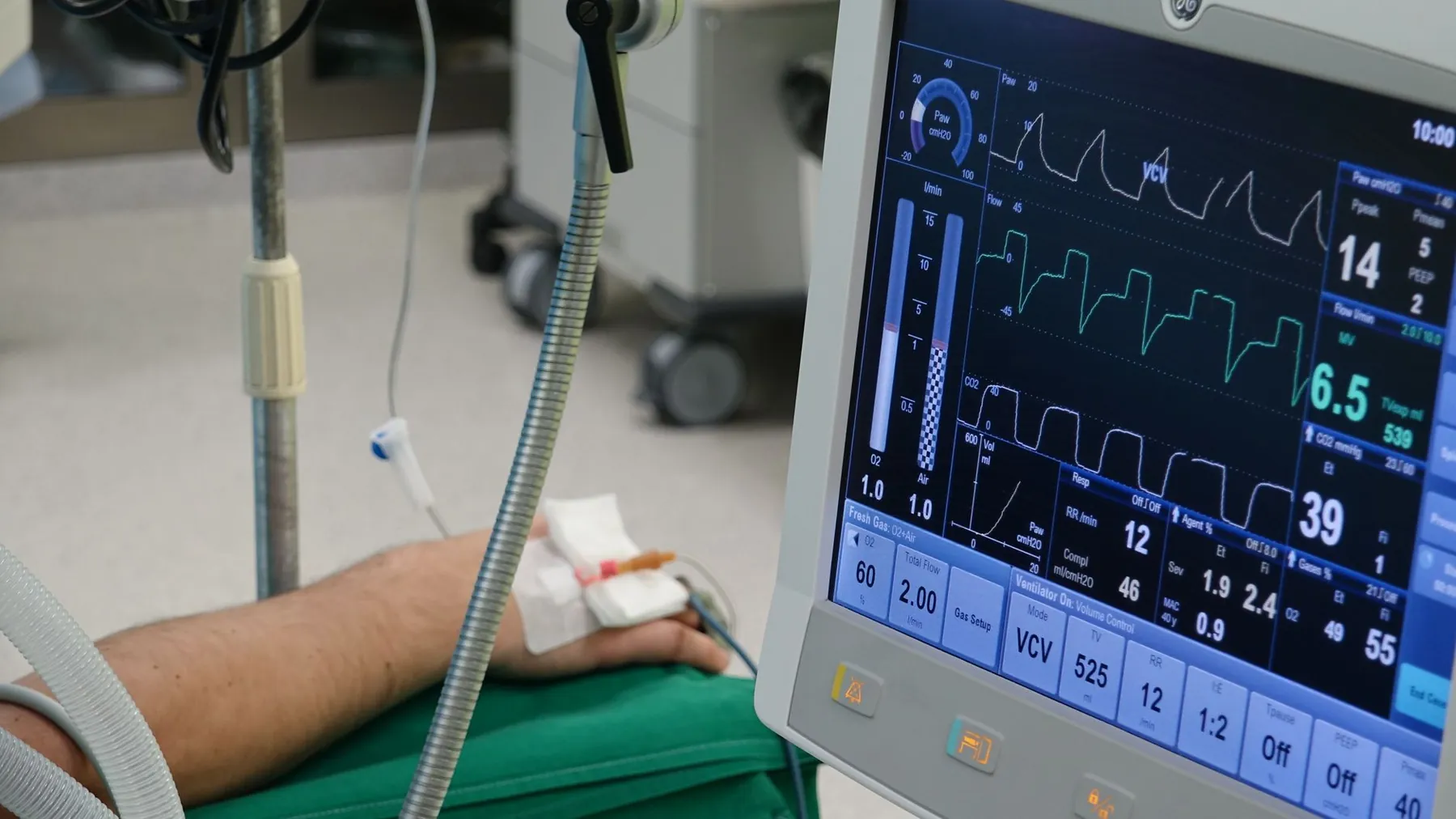
A breast lift or reduction takes two to three hours under general anaesthetic. That is a different proposition from a short procedure under local, and the setting, the staffing and the plan for the night afterwards should all reflect it.

Ask about the anaesthetic first
Patients ask about the surgeon’s qualifications and rarely ask who will be giving the anaesthetic, which is an odd omission for an operation of this length.
Ask who administers it, what their qualification is, whether they remain present throughout, and what monitoring is used.
Ask too what happens if you react badly, and where you would be transferred. A practice that has thought about this answers immediately.
The European Society of Anaesthesiology and Intensive Care publishes work on patient safety in anaesthesia and perioperative care, which sets out the sort of standards a reasonable patient should expect anywhere.

What is checkable before you travel
Reputation is difficult to assess from another country. Registration is not, and it should be the first thing you look at.
A surgeon should hold a recognised qualification in plastic surgery and be currently registered to practise, stated openly rather than implied.
Dr Witoon is a national board-certified plastic surgeon of more than forty years, and his registrations and licence number are published so they can be verified independently.
Verify it yourself. A published number you never check is not evidence of anything.

Signals worth reading
| Question | Reassuring answer | Answer worth pausing over |
|---|---|---|
| Who gives the anaesthetic? | A named, qualified anaesthetist, present throughout | Vague, or answered later |
| Where does the operation happen? | Stated plainly, with the reason | Unclear until you have paid |
| Do I stay overnight? | A definite answer, with who is on hand | Decided on the day |
| Is removed tissue examined? | Yes, with a stated route for the result | Never considered |
| Imaging beforehand? | Considered against your age and history | Dismissed as unnecessary |
| Who do I call that night? | A person and a number | An office open on weekdays |
Row four is specific to breast surgery and almost never asked. It is the clearest single indicator of whether a practice treats this as a medical operation or a cosmetic transaction.

The absent photographs are the compliant behaviour
Patients often treat a missing results gallery as a warning sign. In Thailand it is the opposite.
Medical Council regulations do not permit clinics to advertise before-and-after photographs, so every practice operating within the rules has none to show.
A clinic showing results to international patients is telling you something about its attitude to the regulations it works under, which is worth noticing.
What replaces the gallery is an examination and a conversation in which limits are described as readily as possibilities.

Risks that are specific rather than general
Every operation carries general risks. Hearing the particular ones before consenting is what separates an informed decision from a hopeful one.
- Wound healing where the scars meet, which is the commonest nuisance.
- Changed nipple sensation, common early and sometimes lasting.
- Effects on breastfeeding, which depend on technique.
- Asymmetry, between two sides that were never identical.
- Blood supply to the nipple, uncommon but serious.
- Clots, relevant to a longer operation and a long flight home.
The fifth is why smoking is asked about so insistently, and the sixth is why your flight plans belong in the conversation rather than outside it.
Distance is the real variable
The operation carries the same risks wherever it is done. What changes when you travel is what happens if something goes wrong three weeks later.
A wound that opens at home needs a clinician who can look at it that day, not an email exchange across time zones.
Settle before you travel who that person is, and register with them in advance rather than when you need them.
Take your operation details home in writing, as revision after a breast lift or reduction explains, since a surgeon assessing you later cannot deduce them.
Ask what the price actually covers
This is a safety question dressed as a financial one, because what a quotation excludes tells you what a practice has not planned for.
Ask whether the figure includes the anaesthetist, the facility, garments, follow-up appointments, and the examination of removed tissue.
Then ask the harder question: what happens financially if you need an extra night, an unplanned appointment, or treatment for a wound that is slow to heal.
A practice that has considered complications has an answer ready. One that has not will improvise, and you would rather hear that improvisation now than while you are sitting in a recovery room.
Insurance rarely follows you
Many travel and health policies exclude anything arising from elective treatment overseas, which is worth establishing before rather than after.
That can leave a complication, or a medically advised delay to your return, on your own account entirely.
Read the wording rather than the summary, and ask specifically about cover for a delayed flight home on medical advice.
Ask your own doctor at home, before leaving, whether they would review a wound or manage an infection after surgery performed elsewhere. That conversation is far easier in advance.
Apply your own country’s standards
Consumer protection does not travel with you. The standard you would apply at home does, and carrying it costs nothing.
Would you accept not meeting the operating surgeon before the day? Would you accept a price quoted before an examination? Would you accept being told the venue afterwards?
If the answer is no at home, it is no here. Distance changes the inconvenience of asking, not your entitlement to ask.
How to weigh the surgeon specifically is set out in what happens during a breast lift or reduction, which describes what a well-explained plan sounds like.
Questions people ask
Is cosmetic surgery regulated in Thailand?
Yes. Practitioners are licensed and advertising is restricted, which is why compliant clinics do not show before-and-after photographs. Verify the individual surgeon rather than relying on a general impression of the country.
Should the operation be in a hospital?
Ask where yours would take place and why, and what the plan is for the night afterwards. The answer should follow the operation and your health rather than convenience.
Does a low price mean lower safety?
Not automatically, since costs genuinely differ between countries. What matters is what the price includes: who gives the anaesthetic, where you recover, and what happens if you need to stay longer.
How do I ask these questions?
Directly, through the clinic contact details, before booking anything. Much can be settled in advance, as remote consultations before travelling for surgery describes.
Medical information notice. This page is general information. It is not medical advice and does not replace consultation with a qualified medical professional. All surgery carries risk; suitability, recovery and results vary from person to person and are determined by individual medical assessment.