

Flying after liposuction is the question where advice written for domestic patients collides with the reality of a trip to Thailand.
A great deal of what you will read online recommends waiting several weeks before a long flight. Most people travelling here have booked a fortnight. Understanding why those two numbers differ is the point of this page.
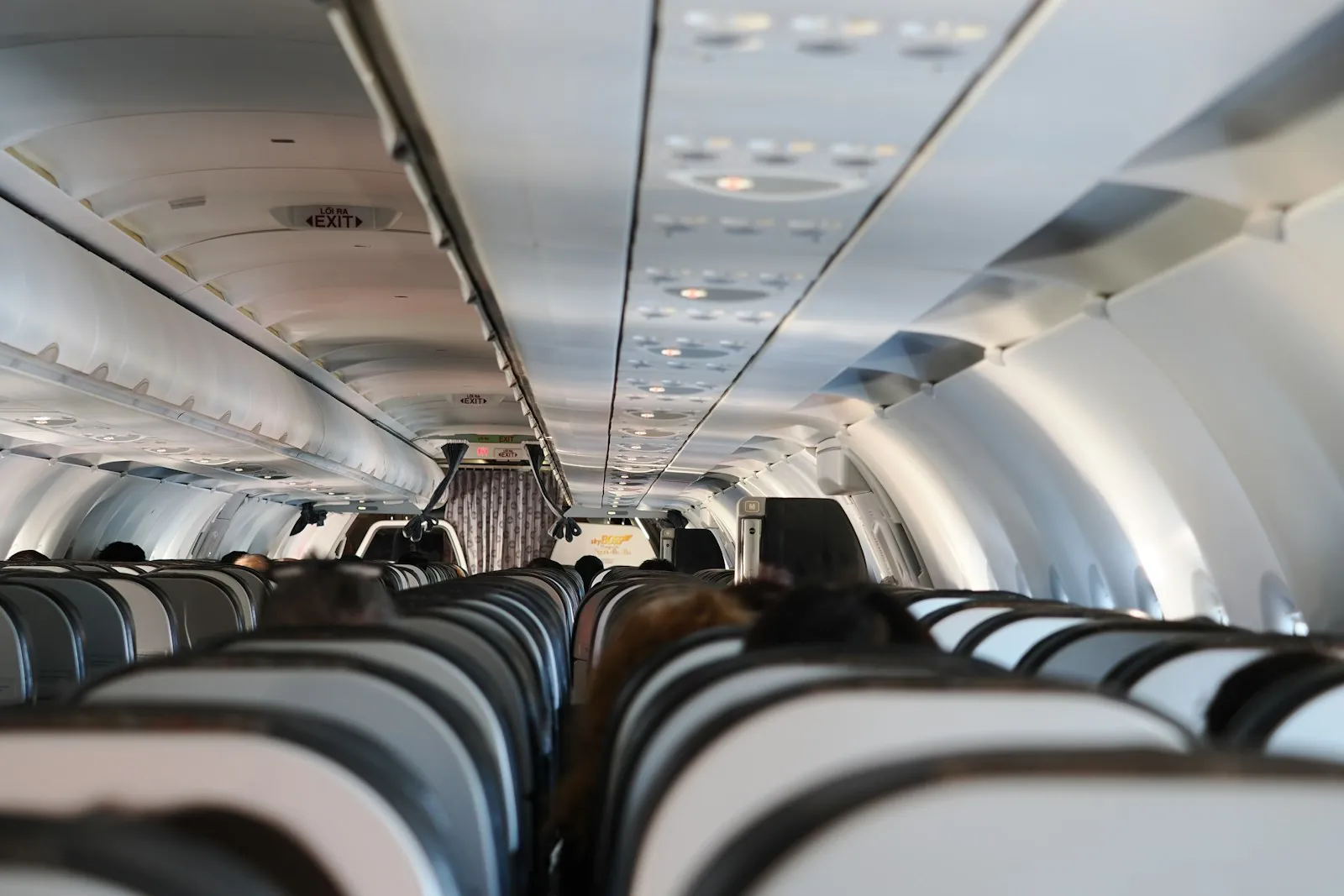
Why flying is a clinical question here
Two things raise the risk of a clot in a leg vein: recent surgery, and hours of sitting still. A long-haul flight after an operation stacks one on the other.
Liposuction adds its own features to that picture. The operation may be lengthy, it involves fluid shifts, and the areas most often treated are the abdomen, flanks and thighs, which is precisely where circulation is affected by prolonged sitting.
Thrombosis UK publishes patient information on venous thrombosis and its risk factors, which sets out why surgery and immobility matter together rather than separately.
This is why the date you may fly is a clinical judgement made by your surgeon rather than a number you can look up, and why it is confirmed after a review rather than promised in advance.
Why the advice you have read varies so much
Search this question and you will find recommendations ranging from a few days to well over a month. They are not contradicting each other so much as describing different operations.
The variable is the extent of what was done. The table below summarises the pattern in guidance published by surgeons elsewhere, so you can see the shape of it — not as a rule to apply to yourself.
| Extent of surgery | Why it changes the answer | Effect on a long-haul flight |
|---|---|---|
| One small area | Short operation, little fluid, mobile almost immediately | Generally the shortest wait |
| One or two larger areas | More swelling and a longer period of reduced movement | A longer wait than most people expect |
| Several areas in one session | Long operation, large fluid volume, slower mobility | The longest wait, and the least room for a fixed flight |
| Liposuction combined with another operation | Anaesthetic time and surgical load add together | Assessed as the larger procedure, not the smaller |
Read down the first column and the planning implication becomes clear. The number of areas you agree to is also a decision about how long your trip needs to be, as how to judge whether liposuction in Thailand is safe explains.

Build the trip so the answer can be no
This is the practical heart of it. If your return flight cannot move, then a recommendation to wait a few more days becomes a financial problem, and financial problems have a way of overriding medical advice.
Book a changeable fare, or at least understand exactly what changing costs. Allow days you expect not to use.
Agree the plan before you book, because the number of areas decides the length of stay. Adding an area on the day quietly invalidates the trip you booked.
And expect a review before you go. Dressings are checked, healing is assessed and the garment reviewed; only then is a flight date confirmed, as how travelling to Thailand for surgery works describes.
On the flight itself
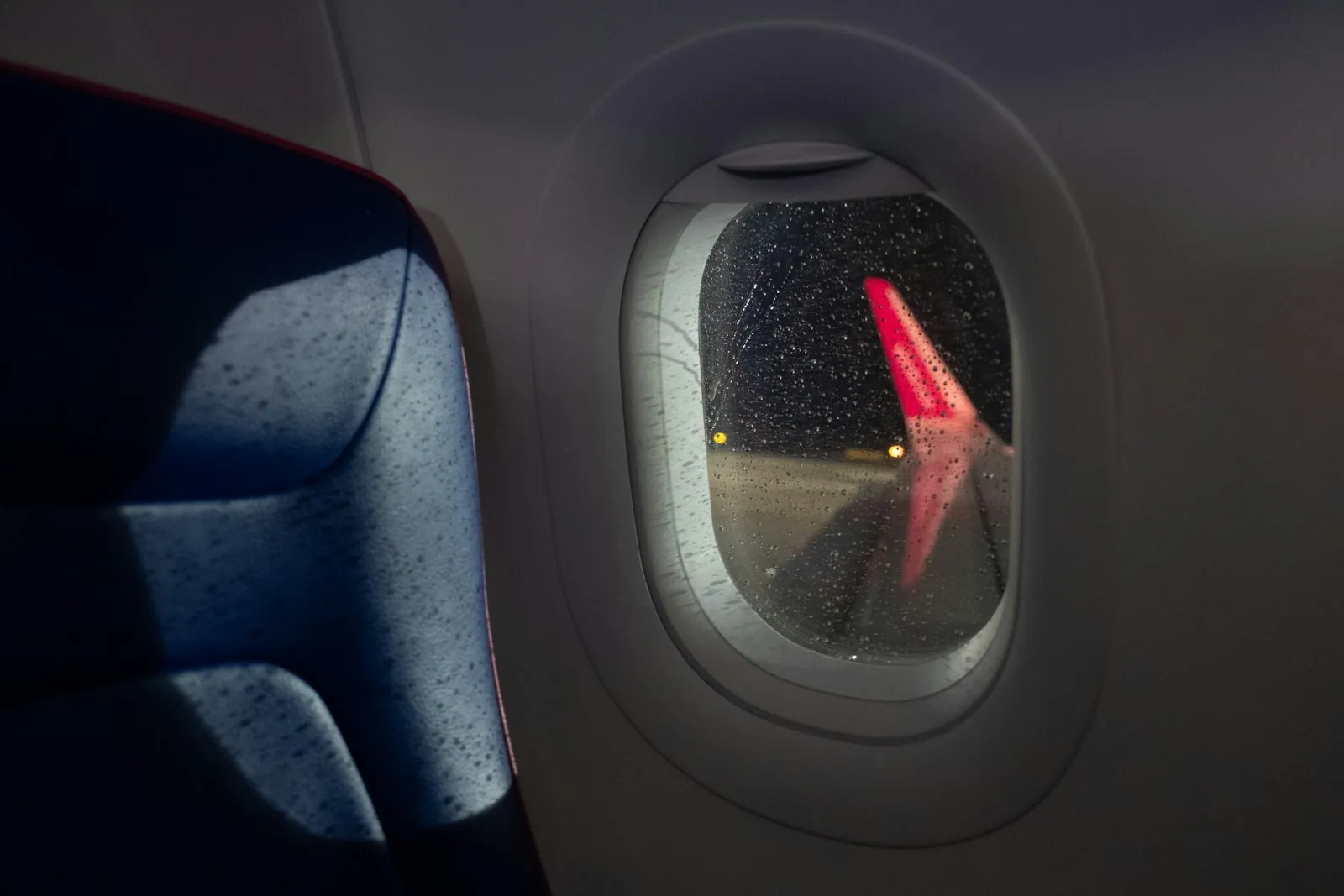
Once you are cleared, the journey is manageable, and most of what helps is unglamorous.
- Wear the compression garment exactly as instructed, including in the air.
- Ask whether flight stockings are advised for you as well as the garment.
- Get up and walk the cabin regularly rather than once.
- Move ankles and calves while seated, throughout the flight.
- Drink water, and go easy on alcohol and sleeping tablets.
- Book an aisle seat so getting up is not a negotiation.
- Arrange help with luggage, since lifting is restricted.
Swelling often increases on a long flight and in the days after landing. That is expected rather than a sign of failure, and it settles.

The connecting flight problem
If your journey home involves a domestic leg or a connection, treat it as part of the clinical question rather than as logistics.
A connection means a second period of sitting, a transfer with luggage you should not be lifting, and often a longer total door-to-door time than the flight number suggests.
Raise the actual itinerary with your surgeon rather than the flight length alone. Twelve hours in two legs with a five-hour layover is a different day from twelve hours in one.
If you are travelling alone, arrange airport assistance in advance rather than assuming you will manage.
Insurance, and what it usually excludes
This is the part travellers discover too late, and it bears directly on the flight home.
Many travel policies exclude anything arising from elective treatment abroad. That can mean a delayed return, a change of flights or treatment for a complication falls to you rather than to the insurer.
Read the wording before you travel rather than after, and ask specifically about cover for a medically advised delay. A policy that would pay for a changed flight is worth more here than one that would not.
Check what the airline requires too. Carriers may ask for confirmation of fitness to fly within a period after surgery, and it is easier to obtain that at your review than to negotiate it at a check-in desk.
What to do if something changes in the air
Most people fly home uneventfully. It is still worth knowing what would matter.
Pain or swelling in one calf, chest pain, or breathlessness are reasons to tell the cabin crew rather than to wait until you land. So is a sudden increase in pain or bleeding at a treated area.
Carry your operation details and medication list in your hand luggage rather than in a checked bag, so that anyone treating you has them.
Tell the practice afterwards as well, since they will want to know, as liposuction recovery stage by stage sets out.
Questions people ask
How long should I plan to stay?
Ask the practice once the areas are agreed, because the answer depends on them. Then add margin, since the review before you fly is what confirms the date.
Does cabin pressure affect the result?
The concern with flying is circulation and immobility rather than pressure changing your contour. Swelling may increase temporarily, which is not the same as the result changing.
Can I take a short domestic flight sooner?
Possibly, since duration and immobility are what matter. It is still a question for your surgeon rather than an assumption, and it should be raised before you book.
Who confirms that I can fly?
Your surgeon, at a review before departure. The clinic contact details cover both locations, and recovering in Thailand covers the days leading up to it.
Medical information notice. This page is general information. It is not medical advice and does not replace consultation with a qualified medical professional. All surgery carries risk; suitability, recovery and results vary from person to person and are determined by individual medical assessment.