

Preparing for upper eyelid surgery is less about the operation than about the ten days after it, most of which you will spend looking bruised and feeling dry-eyed.
Very little of that is difficult. Almost all of it is easier if arranged beforehand, because the things you will want are the things you cannot easily go out and buy while your eyes are swollen.

A countdown that works
Timings are indicative, and anything medical here is confirmed by your surgeon rather than taken from a web page.
| When | What to do | Why it matters |
|---|---|---|
| 4 weeks before | Report any eye condition: dry eye, glaucoma, thyroid problems, previous laser surgery | These change suitability and the plan itself |
| 4 weeks before | Stop smoking if advised, and disclose all medication and supplements | Healing and bleeding risk around delicate tissue |
| 2 weeks before | Ask what to stop and when, and get it in writing | Several common medicines affect bruising |
| 1 week before | Buy sunglasses, spare pillows and anything you will want within reach | You will not want to shop looking like this |
| 1 week before | Switch from contact lenses to glasses | Lenses stay out for a while afterwards regardless |
| 48 hours before | Avoid alcohol; follow fasting instructions exactly | These are anaesthetic safety instructions |
| On the day | Arrive with a clean face, no make-up, no lashes, no lens | The area must be clean and the crease visible for marking |
The first row is the one most often skipped, and it is the one that can change whether the operation goes ahead at all.
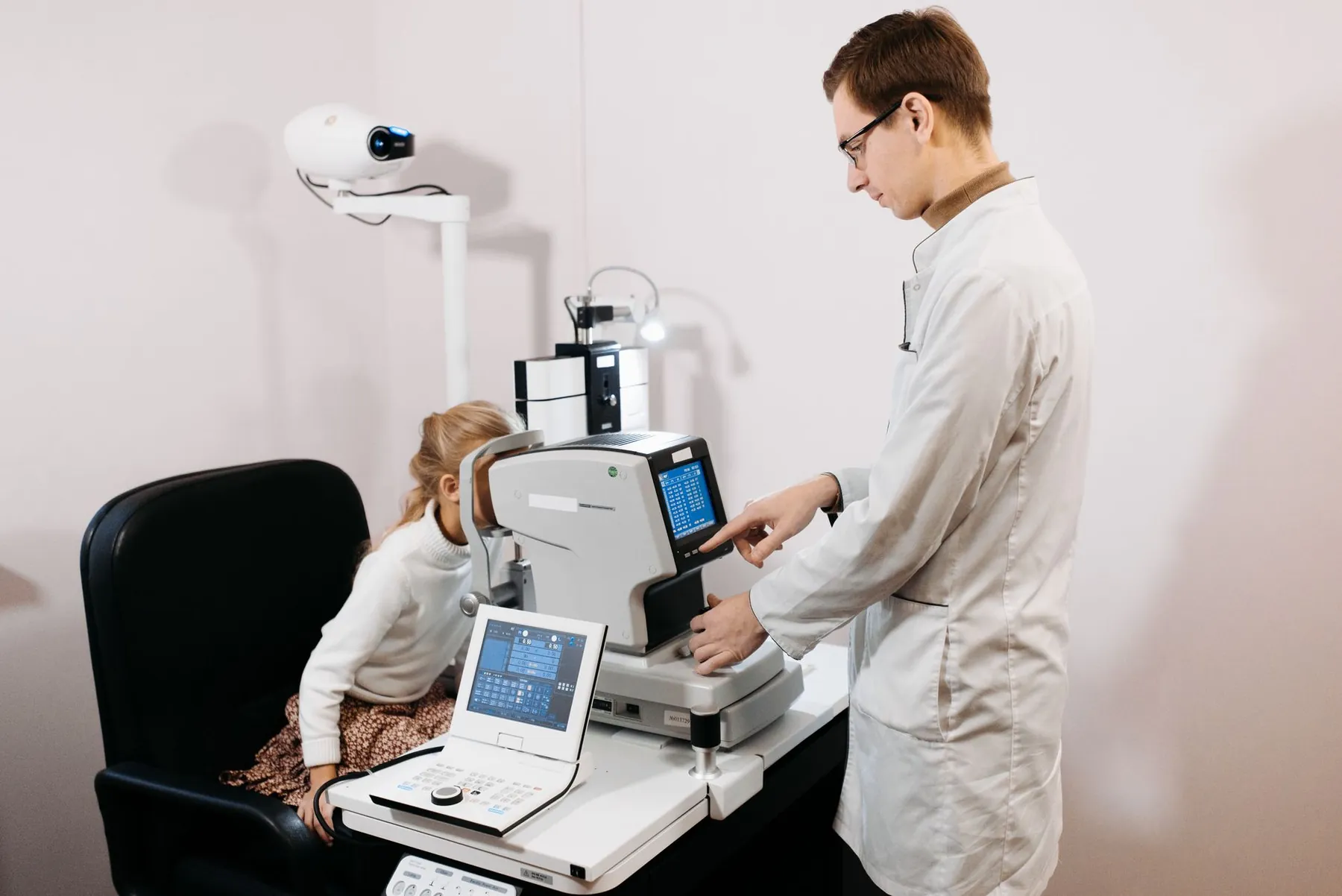
Tell them about your eyes, not just your eyelids
This is the preparation step specific to eyelid surgery, and patients frequently do not realise it is relevant.
Pre-existing dry eye matters a great deal, because removing eyelid skin can make the eyes feel drier for a period afterwards. Someone who already struggles with dryness may notice it considerably more.
Previous laser vision correction, thyroid eye disease, glaucoma, a history of eye surgery, and any difficulty closing the lids fully all belong in the conversation. So does a strong family history of eye disease.
The Royal College of Ophthalmologists publishes patient information and professional standards on eye care, which is a reasonable reference for why these histories matter around the eye.

Is it the eyelid or the brow?
Worth settling before the day, because it is the commonest reason an eyelid result disappoints someone who had the operation done competently.
Heaviness over the eye can come from excess eyelid skin, from a brow that has descended, or from both. Removing eyelid skin treats the first; it does not lift a brow.
If the brow is the dominant problem and only the lid is addressed, the eye looks better but the heaviness remains, and the patient is left feeling something was missed.
Ask directly which is contributing in your case and what the operation will and will not change. That is an examination finding, and it should be explained rather than assumed.

What to have ready at home
Everything on this list is easier to obtain before surgery than during the first week.
- Large sunglasses, for light sensitivity and for going out at all.
- Extra pillows or a wedge, so you can sleep with your head raised.
- Clean soft cloths for cool compresses, and a way to chill them.
- Your glasses, since contact lenses are out for a while.
- Button-front tops, so nothing is pulled over your face.
- Whatever drops or ointment you are prescribed, collected in advance.
Leave the eye make-up in a drawer. It goes back on only when you are told the wounds are fully closed, and that instruction is worth asking about specifically.
Arrange the practical help too. Someone to drive you home on the day is usually required rather than optional, and having a person nearby for the first day makes blurred vision far less unsettling than facing it alone.
Prepare your expectations too
The preparation nobody sells you anything for is knowing what the first week actually looks like.
You will look worse before you look better, and the low point is usually somewhere around day three to five rather than immediately. Bruising can spread downwards under the eye, which is ordinary and not a sign anything has gone wrong.
The two sides rarely settle at the same rate either. One eye looking more swollen than the other in the first fortnight is common, and judging symmetry during that period is judging swelling.
Take a photograph before you travel, in daylight and from the same angle, and look at it again in three months rather than in week two. It is more honest than the mirror is while you are healing.
Plan the diary, not just the surgery
Because this recovery happens on your face, the calendar matters more than for body procedures.
Count backwards generously from anything you must attend looking unremarkable, rather than forwards from the operation. Most people are presentable somewhere between seven and fourteen days, and bruising sometimes lingers at the edges.
If you are travelling, the trip has to include the suture appointment or you have to arrange it at home, as upper eyelid surgery recovery stage by stage explains.
And book a changeable return fare, since the flight home is a clinical judgement rather than a booking.
The conversations to have before the day
Three things are better settled in advance than in a gown on the morning.
What anaesthetic is planned. Eyelid surgery may be done under local anaesthesia, with or without sedation. Ask which applies, who administers it, and whether you will need someone to take you home.
Both eyelids or one. Asymmetry between the two sides is normal and may mean different amounts are removed. Ask what is planned for each side rather than assuming they are identical.
What happens if you are unhappy. Ask the revision policy, who bears the cost and how long you would be asked to wait, and get the answer in writing.
Questions people ask
Should I stop my supplements?
Disclose all of them and be guided. Several common supplements affect bleeding, which shows readily as bruising around the eyes, but stopping prescribed medication without advice creates a different risk.
Can I wear contact lenses afterwards?
Not immediately, and the interval is set by your surgeon. Bring your glasses and expect to use them for longer than you would like.
Will I need someone with me?
Almost certainly for the journey home on the day, and it is genuinely helpful for the first day or two while vision is blurred. Confirm the arrangement rather than assuming you will manage.
How much can be settled before travelling?
Most of the history and the questions, as remote consultations before travelling for surgery explains. The examination cannot. The clinic contact details cover both locations.
Medical information notice. This page is general information. It is not medical advice and does not replace consultation with a qualified medical professional. All surgery carries risk; suitability, recovery and results vary from person to person and are determined by individual medical assessment.