
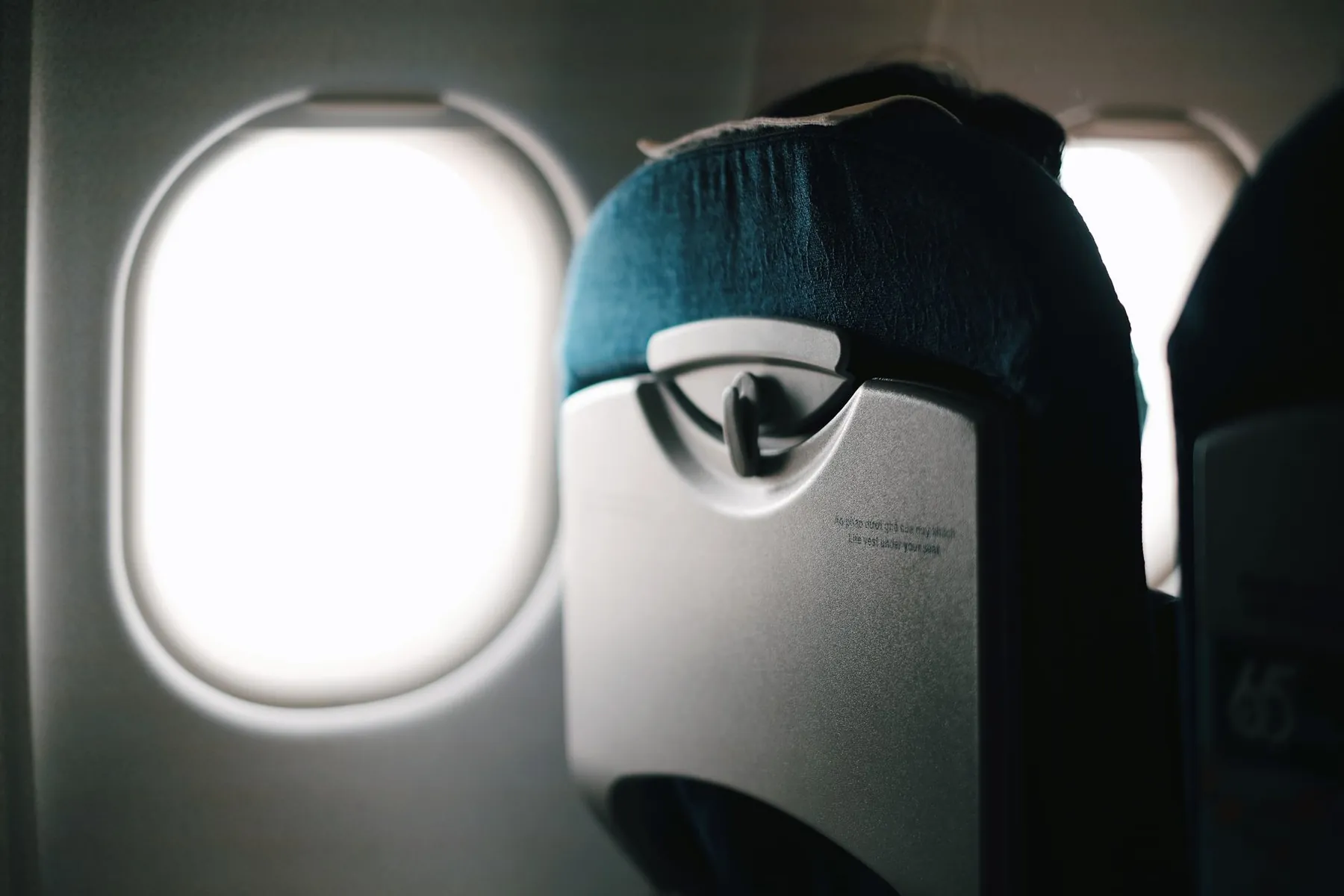
Flying after upper eyelid surgery is a different question from flying after body surgery, and the answers you find online are often borrowed from the wrong one.
The dominant concern after abdominal or body contouring surgery is circulation and clots. After an hour of eyelid surgery it is not. Here the issues are dry cabin air, swelling, and whether your sutures are out.
Why this operation is judged differently
The practice publishes an operating time of about one hour for eyelid surgery, and it is performed on the surface of the face rather than inside a body cavity.
That changes the risk profile substantially. A short procedure with early mobility does not carry the prolonged clot risk that follows a long operation with days of restricted movement.
What replaces it is a set of smaller, more immediate concerns: an aircraft cabin is very dry, eyes that have just had surgery are drier than usual, and swelling tends to increase on a long flight.
So the question shifts from “is it safe for my circulation” to “will my eyes cope, and are the wounds ready”. Both are decided by your surgeon at a review rather than by a general figure.
What actually decides the date
| Factor | Why it matters on a flight | Who settles it |
|---|---|---|
| Whether sutures are out | They are removed at around five to seven days, and not by you | Your surgeon, at a review |
| Whether the wounds are closed and stable | Dry air and rubbing are unhelpful on an open wound | Your surgeon, on inspection |
| How dry your eyes are | Cabin humidity is very low for many hours | You, with lubrication, and your surgeon’s advice |
| How much swelling remains | It commonly increases in flight and after landing | Expected rather than prevented |
| Flight length | A short hop is easier to tolerate than a long-haul journey | Raise the actual itinerary, not the hours |
| Whether anything was combined | Other procedures bring their own, longer, considerations | Assessed as the larger operation |
The first row is the practical one. For most travelling patients the flight home is scheduled around the suture appointment rather than around a risk window.
The dry air problem, and what helps
Aircraft cabins are among the driest environments most people spend hours in, and eyes recovering from eyelid surgery are already more prone to dryness.
The result is not dangerous so much as thoroughly uncomfortable: grittiness, stinging, watering that paradoxically accompanies dryness, and a strong urge to rub, which is the one thing you must not do.
Moorfields Eye Hospital publishes patient information on eye conditions and their care, including the management of dry, irritated eyes, which is the symptom most travellers report.
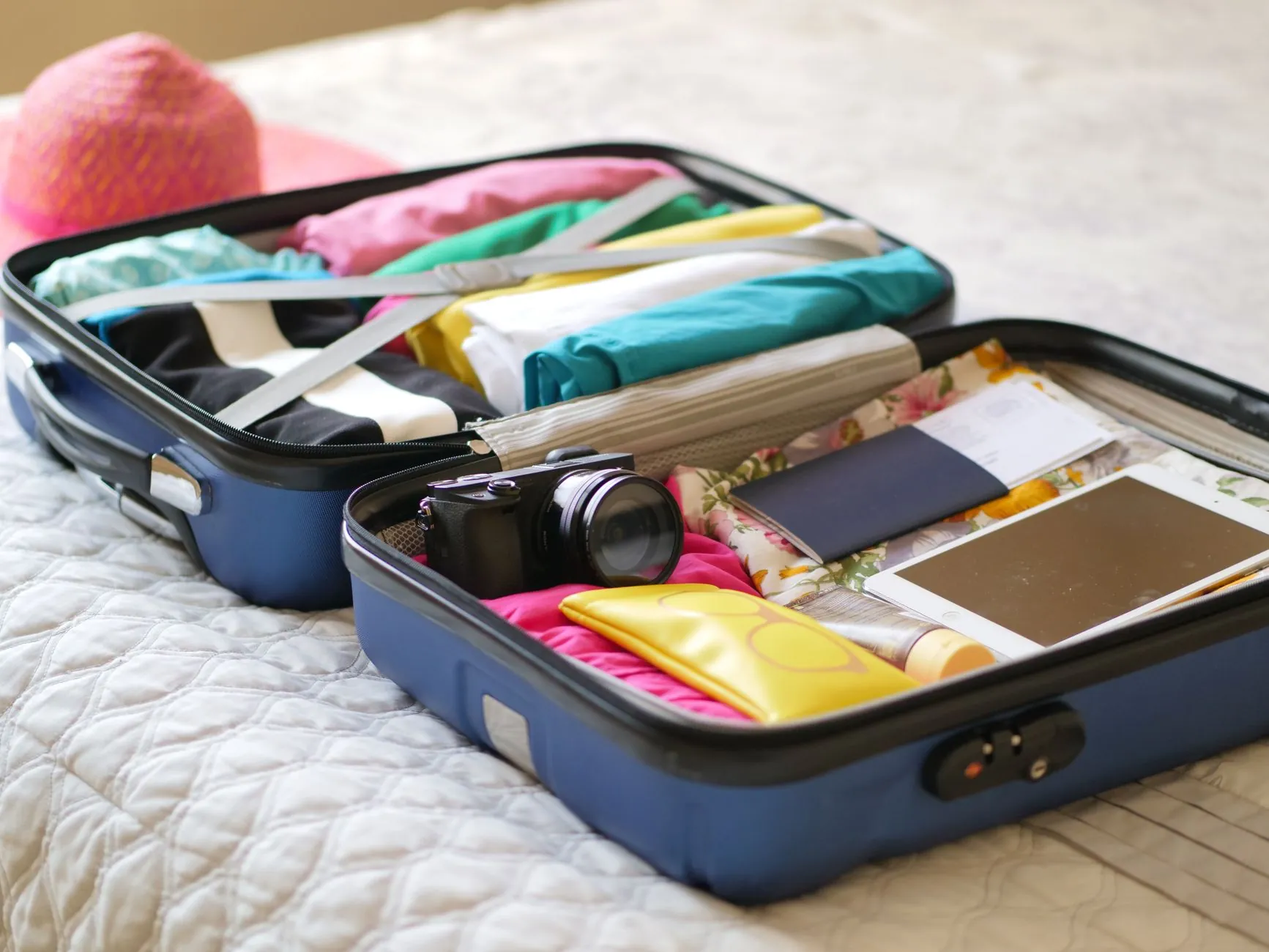
Ask your surgeon what lubrication to use and how often, and carry it in hand luggage rather than in a checked bag where it is useless to you.
On the flight itself
Once cleared, the journey is manageable, and most of what helps costs nothing.
- Use your lubricating drops or ointment on schedule, not when it starts hurting.
- Wear sunglasses, which help with cabin lighting and with feeling self-conscious.
- Close the overhead air vent, or angle it well away from your face.
- Drink water and go easy on alcohol, which dries you further.
- Do not rub your eyes, however much you want to.
- Leave contact lenses out entirely until you are told otherwise.
- Sleep with your head supported upright rather than slumped forward.
Swelling commonly increases during a long flight and in the day or two after landing. That is expected rather than a sign of failure, and it settles.
Build the trip around the suture appointment
This is the planning point that matters, and it is specific enough to decide your booking.
Either the trip is long enough for the sutures to be removed here, or somebody at home does it, arranged before you leave. There is no third option, and discovering that on day six is uncomfortable.
Ask which applies to you when you agree your dates, and book a changeable fare so a review that says “a few more days” is an inconvenience rather than a financial decision.
What each stage of that week involves is set out in upper eyelid surgery recovery stage by stage, and the wider sequence in how travelling to Thailand for surgery works.
Questions to settle before you buy the fare
Four answers turn the return journey from a guess into a plan, and all four come from the practice rather than from a forum.
- When are the sutures due out, and who removes them? This sets the earliest sensible departure.
- When is my review appointment? Clearance comes from that visit, so the flight sits after it.
- What lubrication should I use in the air, and how often? Get it in writing and collect it before you leave.
- Does a connecting flight change anything? If you are flying out of Chiang Mai, say so rather than quoting total hours.
Give the actual itinerary rather than a duration. A single direct flight and two shorter legs with a transfer between them are different journeys, even when the clock says the same thing.
Ask, too, what happens if the review says wait. A changeable fare costs a little at booking and saves a great deal at the point where medical advice and a non-refundable ticket disagree.
What would matter in the air
Most people fly home uneventfully. It is still worth knowing what would not be ordinary.
Sudden or worsening loss of vision, severe pain, a lid that becomes rapidly swollen and hard, or bleeding that does not settle with gentle pressure are reasons to tell the cabin crew rather than wait until landing.
Carry your operation details and medication list in hand luggage so anyone treating you has them, and tell the practice afterwards as well.
Ordinary grittiness, watering and swelling are not in that category. They are uncomfortable and expected, and lubrication is the answer rather than alarm.
Questions people ask
Is there a clot risk like other surgery?
The concern after a short procedure with early mobility is much smaller than after major body surgery. Your own risk factors still matter, so mention any previous clot, and move about the cabin as you normally would.
Will cabin pressure affect my result?
The practical issues are dryness and swelling rather than pressure changing the outcome. Temporary puffiness after a long flight is not the same as the result changing.
Can I wear make-up to travel?
Only if you have been told the wounds are fully closed and make-up is permitted. Sunglasses are the better answer in the meantime.
Who confirms that I can fly?
Your surgeon, at a review before departure. The clinic contact details cover both locations, and recovering in Thailand covers the days leading up to it.
Medical information notice. This page is general information. It is not medical advice and does not replace consultation with a qualified medical professional. All surgery carries risk; suitability, recovery and results vary from person to person and are determined by individual medical assessment.