
Upper eyelid surgery takes about an hour, which is less time than most people spend choosing a surgeon for it.
Inside that hour are a small number of decisions that determine the result permanently, and they are easier to ask about if you know the order they happen in.
What the practice publishes
The eyelid surgery procedure page is brief and specific. A single incision is made along the upper eyelid, the face can be washed a few hours afterwards, and after a few weeks the scars are hardly seen.
Surgery time is published as about one hour.
The practice’s Thai-language page describes the same operation in more detail, and it is worth knowing what it says, because the framing differs from the one most English-language pages use.
It describes upper eyelid surgery as double-eyelid surgery: performed for a single eyelid, for a crease that is small or hidden, for creases that are uneven, or where the lid is mildly heavy, and involving the removal of fat and excess skin.
Two conversations that share one name
That difference in wording is not a translation quirk. It reflects two reasons people have this operation, and being clear about which is yours prevents a mismatch.
| Reason for surgery | What is being changed | What to say at consultation |
|---|---|---|
| Heavy, hooded upper lids | Surplus skin resting on or near the lashes is removed | “There is a fold sitting on my lashes” |
| No visible crease | A crease is created where there was none | “I want a defined crease” |
| A small or hidden crease | An existing crease is defined or raised | “My crease disappears when my eyes are open” |
| Uneven creases | The two sides are brought closer together | “One side is different from the other” |
| Fullness in the lid | Fat is addressed as well as skin | “It looks puffy rather than folded” |
Several of these often apply at once. Naming yours is more useful than naming the operation, because the surgeon is deciding how much to remove and where to place the crease.

The operation is defined by what is left, not what is taken
This is the single most useful thing to understand about upper eyelid surgery, and almost nothing written for patients says it.
Removing skin is straightforward. What constrains the operation is the requirement to leave enough skin between the incision and the brow for the eyes to close properly afterwards.
Take too little and the fold remains. Take too much and the lids cannot close fully, which causes exposure, dryness and irritation that is considerably harder to correct than a residual fold.
So a careful surgeon is measuring a margin, not maximising a removal. If the answer to “how much will you take” sounds like “as much as possible”, that is the wrong answer.

The sequence, step by step
The order below is typical. Yours is confirmed by your surgeon, and the detail differs with what is being done.
- Marking, sitting upright. The crease and the amount to be removed are drawn while your eyes are open and closed, because gravity changes both.
- Anaesthetic. Local anaesthesia is usual for this operation, sometimes with sedation; confirm which applies to you.
- The incision. Made along the natural crease of the upper lid, which is where the scar will sit.
- Removal. The marked strip of skin is taken, with fat addressed where it is contributing.
- Shaping the crease. The closure is what defines where the new crease sits and how deep it is.
- Closure. Fine sutures, removed at a review around five to seven days later.
- Afterwards. Cool compresses, head elevated, and the face can be washed within hours.
Step one is the one to pay attention to. Ask to see the marks in a mirror before anything is done, because that is your operation drawn on you.
Being awake for it
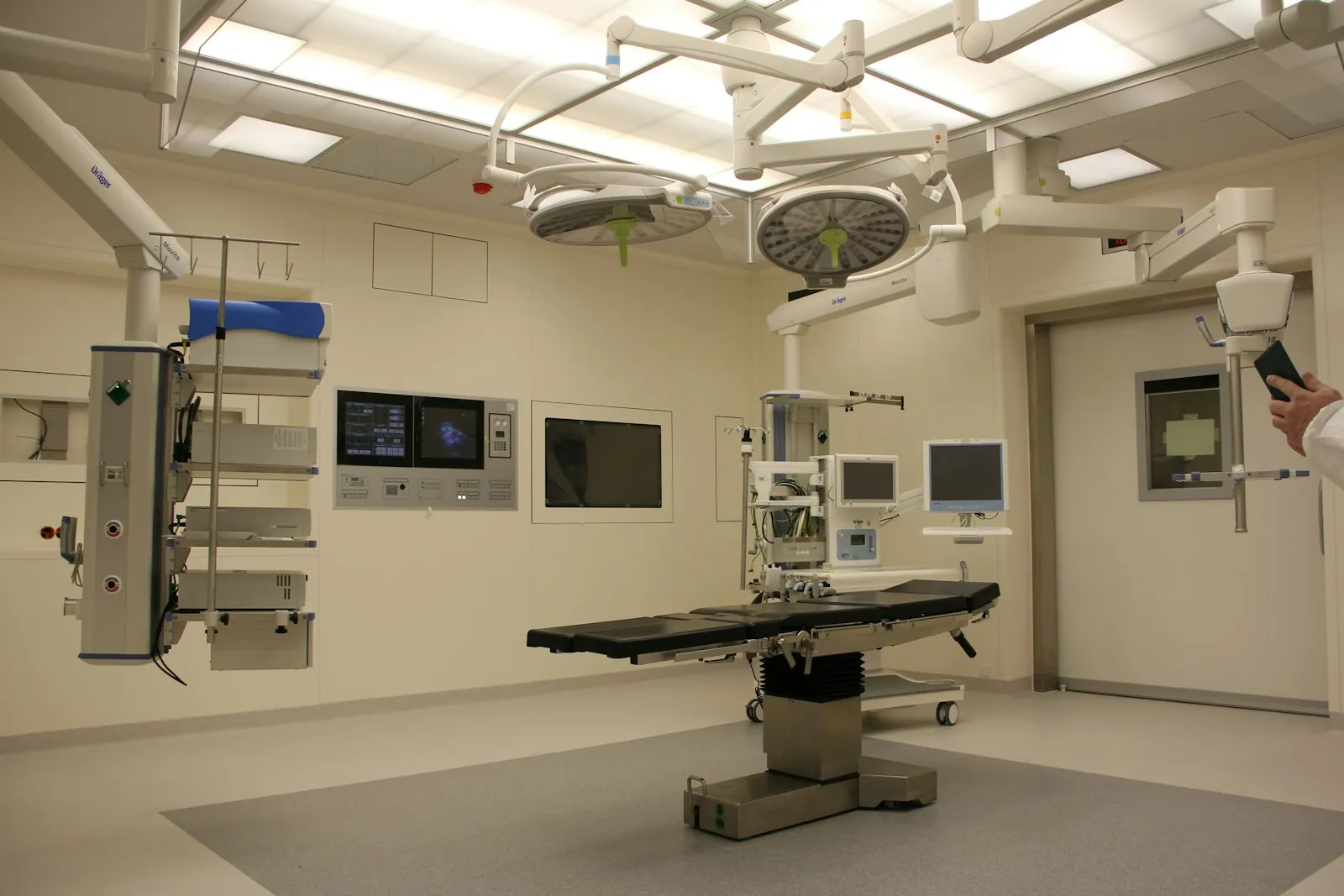
Local anaesthesia is normal here and it surprises people who expected to be asleep.
You will feel the injection, which stings briefly, and after that pressure and movement rather than pain. Being awake is useful, because you may be asked to open and close your eyes so the crease can be judged in use.
What people find strangest is the light and the draping rather than the surgery itself. Knowing that in advance makes the hour considerably easier.
The Royal Australian and New Zealand College of Ophthalmologists publishes standards and patient information on eye care and eye surgery, which sets out what proper care around the eye involves wherever you have it done.
Where the scar goes, and why
The incision sits in the natural crease of the upper lid, and the practice publishes that after a few weeks the scars are hardly seen.
That placement is deliberate. A scar in the crease is hidden when the eye is open, because the fold of the lid closes over it.
It is still a scar. It is visible with the eyes closed, it passes through a pink phase before fading, and it settles over months rather than weeks.
Where the crease is being created or raised rather than simply reopened, ask where the new line will sit relative to your old one, since that is what changes the look of the eye.
What the hour does not include
An operating time of one hour describes theatre, not the day, and travelling patients plan around the wrong number surprisingly often.
Add arrival, consent, marking and anaesthetic beforehand, and a period of observation afterwards. Add someone to take you home, and someone nearby for the first day while vision is blurred.
Then add the review at which sutures come out, which is the appointment that decides how long you stay, as upper eyelid surgery recovery stage by stage explains.
Whether an overnight stay applies to you is a question to ask directly, since the practice publishes an operating time but no hospitalisation figure for this procedure.
Questions people ask
Will I be asleep?
Usually not. Local anaesthesia is normal for this operation, sometimes with sedation. Ask which is planned, who administers it, and whether you will need someone to take you home.
Is fat always removed?
No. It is addressed where fullness is contributing to the appearance, and left alone where it is not. Removing fat that was holding the lid up can hollow the eye, which is why it is a judgement rather than a routine.
Can the crease be made higher than my natural one?
Within limits, and the limits matter. A crease set too high looks unnatural and is difficult to lower afterwards, so agree the intended height before the day rather than in theatre.
How do I know this operation suits me?
By being examined, since the cause of the heaviness decides it, as who is a candidate for upper eyelid surgery explains. The clinic contact details cover both locations, and how to prepare for upper eyelid surgery covers the weeks before.
Medical information notice. This page is general information. It is not medical advice and does not replace consultation with a qualified medical professional. All surgery carries risk; suitability, recovery and results vary from person to person and are determined by individual medical assessment.