An upper eyelid consultation is short, and a great deal of it is measurement rather than conversation.
That catches people out. They arrive with questions about recovery and leave without having discussed the two things that decide the result: where the crease will sit, and how much skin will be left.
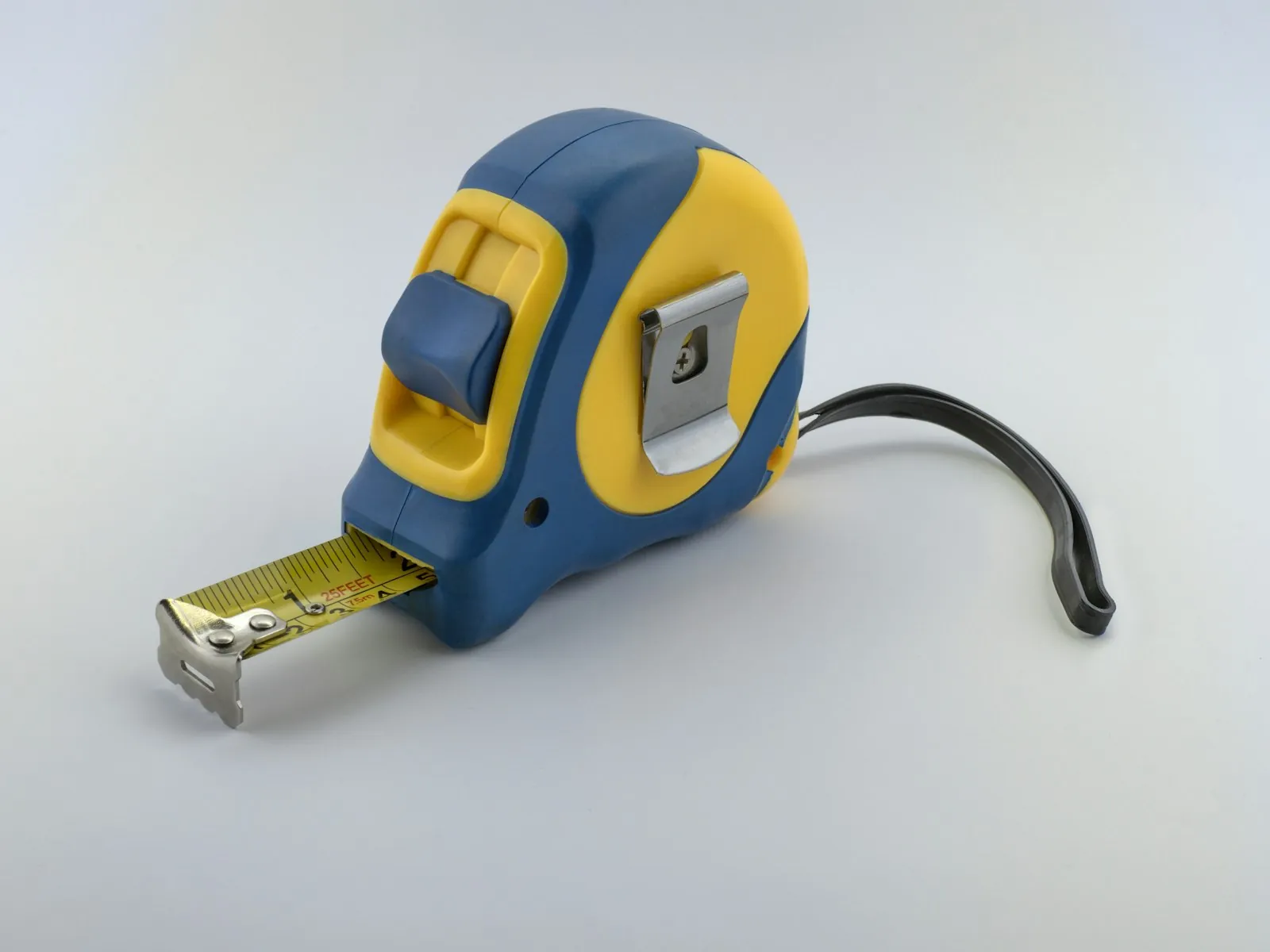
What is being measured, and what each thing decides
Watching for these tells you whether the assessment is thorough, without needing to know anything technical.
| What is assessed | How | What it decides |
|---|---|---|
| Crease position | Marked while you sit upright, eyes open and closed | Where the scar sits and how the eye looks afterwards |
| Skin to be removed | Gently pinched to see what can be taken | How much of the fold goes, and what must remain |
| Brow position | Your brow is held up and released | Whether the heaviness is lid, brow, or both |
| Lid margin height | Where the lid edge crosses the iris, relaxed | Whether a drooping lid is part of the picture |
| Lid closure | You are asked to close your eyes gently | The safety margin on how much can be removed |
| Tear film and dryness | History, and inspection of the eye surface | How dry your eyes may feel afterwards |
| Symmetry | Both sides compared, in the mirror with you | Whether the two sides are treated differently |
Rows three and four are the ones that change the diagnosis rather than the plan. If neither is done, ask about them, as who is a candidate for upper eyelid surgery explains.
Ask to see the marks
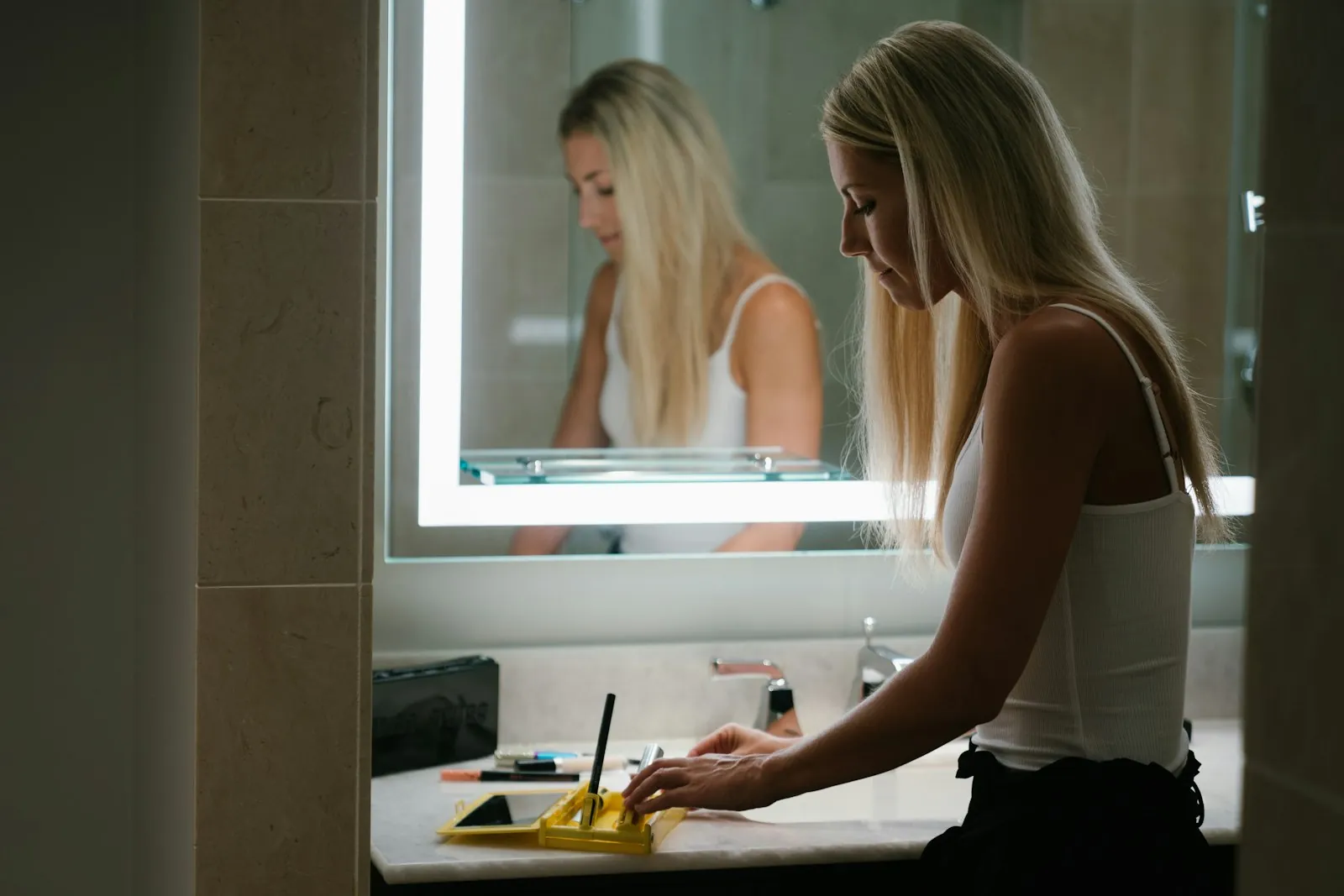
This is the eyelid equivalent of agreeing where a scar goes, and it takes about a minute.
The crease line drawn on your lid is where the incision will run and where the scar will settle. Its height changes how open the eye looks, and a crease set too high is difficult to undo.
So ask to look in a mirror while it is marked, and ask whether the intended crease is at your natural height, above it, or being created where none is visible.
A surgeon who marks and shows you without being asked is telling you something useful about how they work.

Describe the effect, not the procedure
Patients arrive having decided what they want done. The more useful thing to bring is what you dislike and when you notice it.
“My eyeshadow disappears when I open my eyes.” “The fold rests on my lashes by the evening.” “People ask if I am tired.” “One side has always looked different.” Each of those points at something specific.
Bring a photograph from several years ago as well. It shows what has changed, which is more informative than a picture of somebody else’s eyes.
Then say plainly whether you want to look rested or want a visibly different eyelid. Those are different operations in the same hour.

What you should leave knowing
There is a minimum, whether or not you thought to ask for it. The Royal College of Surgeons of Edinburgh publishes standards for surgical practice and patient consent, and an informed decision is the centre of them.
- Whether your heaviness is lid, brow, or a combination.
- Where the crease will sit, and whether it differs from your natural one.
- Whether fat is being addressed as well as skin.
- Whether the two sides are being treated differently, and why.
- What anaesthetic is planned and who administers it.
- When the sutures come out and who removes them.
- What will not be improved by this operation.
If any of those is still open as the appointment ends, ask before you leave rather than by message afterwards.
Bring your eye history, written down
This is the part people underestimate, because it does not feel connected to how their eyelids look.
Write down any dry eye, thyroid problem, glaucoma, previous laser vision correction, previous eye or eyelid surgery, and every drop or medication you use, including ones you have taken for years.
Bring your glasses rather than wearing contact lenses on the day, since the eye surface is being looked at and lenses interfere with that.
Come without eye make-up too. The crease has to be visible for marking, and the lid margin has to be seen clearly.
If you are consulting from abroad
Several questions belong in the appointment rather than after flights are booked.
Ask how long you should stay for the plan being proposed, who removes the sutures if you travel before then, and what would delay your flight home.
Ask who continues your care once you are home, and how quickly you can expect a reply across a time difference.
Much of the history can be settled before you travel, as remote consultations before travelling for surgery explains, but the marking and the measurements cannot happen remotely.
Where these appointments go wrong
The failure modes are consistent and easy to avoid once named.
Agreeing to add a second procedure on the spot is the commonest, and it deserves its own consideration rather than a nod at the end of an hour.
Leaving without knowing what will remain unchanged is the second. Every plan has limits, and hearing them is the purpose of the appointment.
Never meeting the operating surgeon is the third, and it is a reason to stop rather than continue, as choosing a surgeon for upper eyelid surgery sets out.
Take the decision away from the desk
Being assessed and deciding are two separate steps, and there is rarely a reason to do both in the same hour.
Ask for the plan in writing: which operation, the crease height, whether fat is included, what the quotation covers, and what happens if you are unhappy afterwards.
Then read it somewhere else. A plan that still makes sense the following week is a better plan than one that made sense while somebody was explaining it.
Any pressure to commit that day is worth noticing. A price that expires, or a discount for booking now, is a sales technique rather than a clinical consideration, and this operation will still be available next month.
Questions people ask
Will I be photographed?
Usually, for the medical record, which is standard clinical documentation. It is separate from anything published, and this practice displays no before-and-after photographs at all, as the before and after page explains.
Can I bring a photograph of eyes I like?
Yes, as direction rather than a target, and be ready to say what you are responding to. Crease height and eye shape are largely anatomy, so the honest answer may be that a particular look is not available to you.
Should I bring someone with me?
It helps. A short appointment covers a great deal quickly, and two people remember different halves of it.
How do I arrange one?
Both locations are listed in the clinic contact details, and the practical preparation is covered in how to prepare for upper eyelid surgery.
Medical information notice. This page is general information. It is not medical advice and does not replace consultation with a qualified medical professional. All surgery carries risk; suitability, recovery and results vary from person to person and are determined by individual medical assessment.